Rice VS Chicken Balls
A detailed nutritional comparison
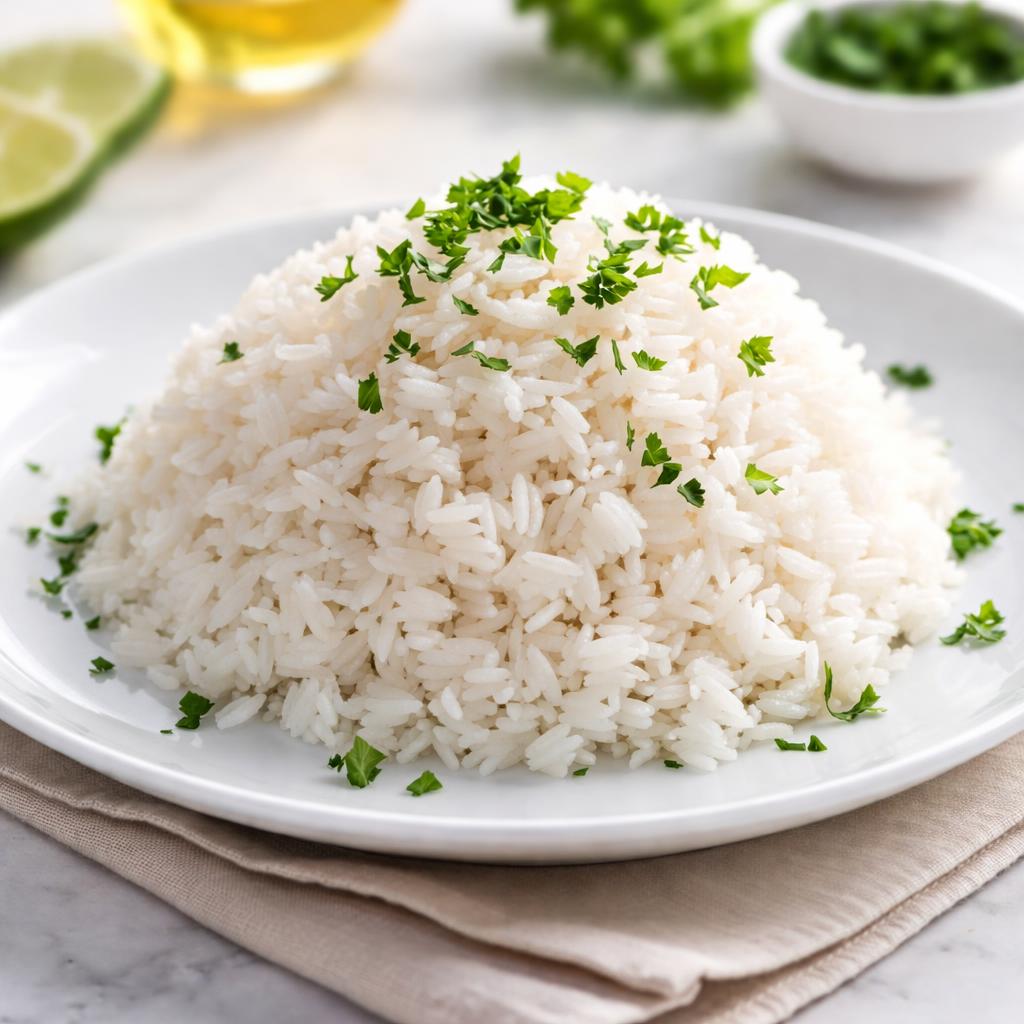
Rice
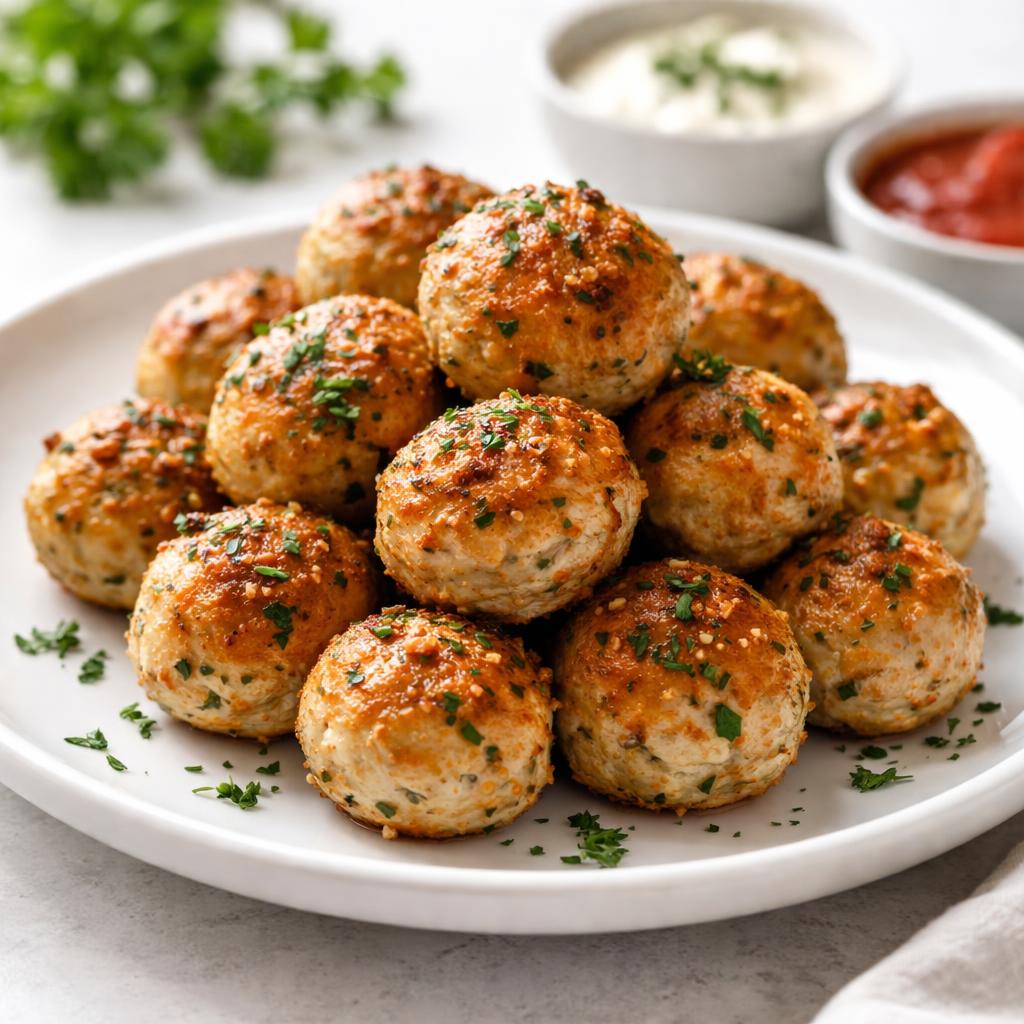
Chicken Balls
🎯 Quick Verdict
Chicken balls are significantly higher in protein (25g vs 2g per serving) and contain more fat, making them a better option for high-protein diets. Rice, on the other hand, is lower in calories and contains more fiber, making it ideal for those seeking a moderate-calorie or filling carbohydrate source. Both can complement a balanced diet depending on individual needs.

Smart Nutrition Tracking with SnapCalorie

📊 Nutritional Comparison
Macronutrients
| Nutrient | Food 1 | Food 2 | Winner |
|---|---|---|---|
| Calories | 206 (1 cup cooked) | 280 (4 chicken balls) | ✓ |
| Protein | 2g | 25g | ✓ |
| Carbs | 45g | 4g | ✓ |
| Fat | 0.4g | 17g | ✓ |
| Fiber | 1g | 0g | ✓ |
Vitamins & Minerals
| Nutrient | Food 1 | Food 2 | Winner |
|---|---|---|---|
| Vitamin D | 0mcg | 0.5mcg | ✓ |
| Calcium | 9mg | 15mg | ✓ |
| Iron | 0.5mg | 1.5mg | ✓ |
🏆 Category Winners
Protein
Chicken balls have 25g of protein, compared to only 2g in rice.
Fiber
Rice contains 1g of fiber per serving, while chicken balls have no significant fiber.
Calories
Rice has fewer calories per serving (206 vs 280).
Vitamins
Chicken balls offer more calcium, iron, and vitamin D overall.
🥗 Diet Compatibility
Keto
Food 1: Not Compatible
Food 2: Compatible
Chicken balls are low in carbs (4g per serving), while rice is carb-heavy (45g per serving).
Vegan
Food 1: Compatible
Food 2: Not Compatible
Rice is plant-based; chicken balls contain animal-derived protein.
Gluten Free
Food 1: Compatible
Food 2: Variable
Rice is gluten-free, but gluten presence in chicken balls depends on preparation (e.g., breadcrumbs).
Paleo
Food 1: Not Compatible
Food 2: Compatible
Chicken balls align with paleo diets, while rice typically doesn’t.
Low Carb
Food 1: Not Compatible
Food 2: Compatible
Rice is high-carb, whereas chicken balls are low-carb.
💪 Health Benefits Comparison
Food 1 Benefits
- Provides energy from complex carbohydrates
- Low in fat, suitable for heart-healthy diets
- Contains small amounts of fiber for digestion
Food 2 Benefits
- High-protein for muscle growth and maintenance
- Contains fats that can support energy and cell health
- Offers iron to support red blood cell production
✅ The Bottom Line
Rice is better suited for individuals looking for filling, low-fat carbs with fewer calories, making it ideal for weight loss or endurance-focused meals. Chicken balls shine for those prioritizing protein intake, particularly in low-carb or high-protein diets.
Choose Food 1 for: Weight loss, high-energy meals, vegan diets
Choose Food 2 for: Muscle-building, keto diets, paleo diets


