Rice VS Chicken
A detailed nutritional comparison
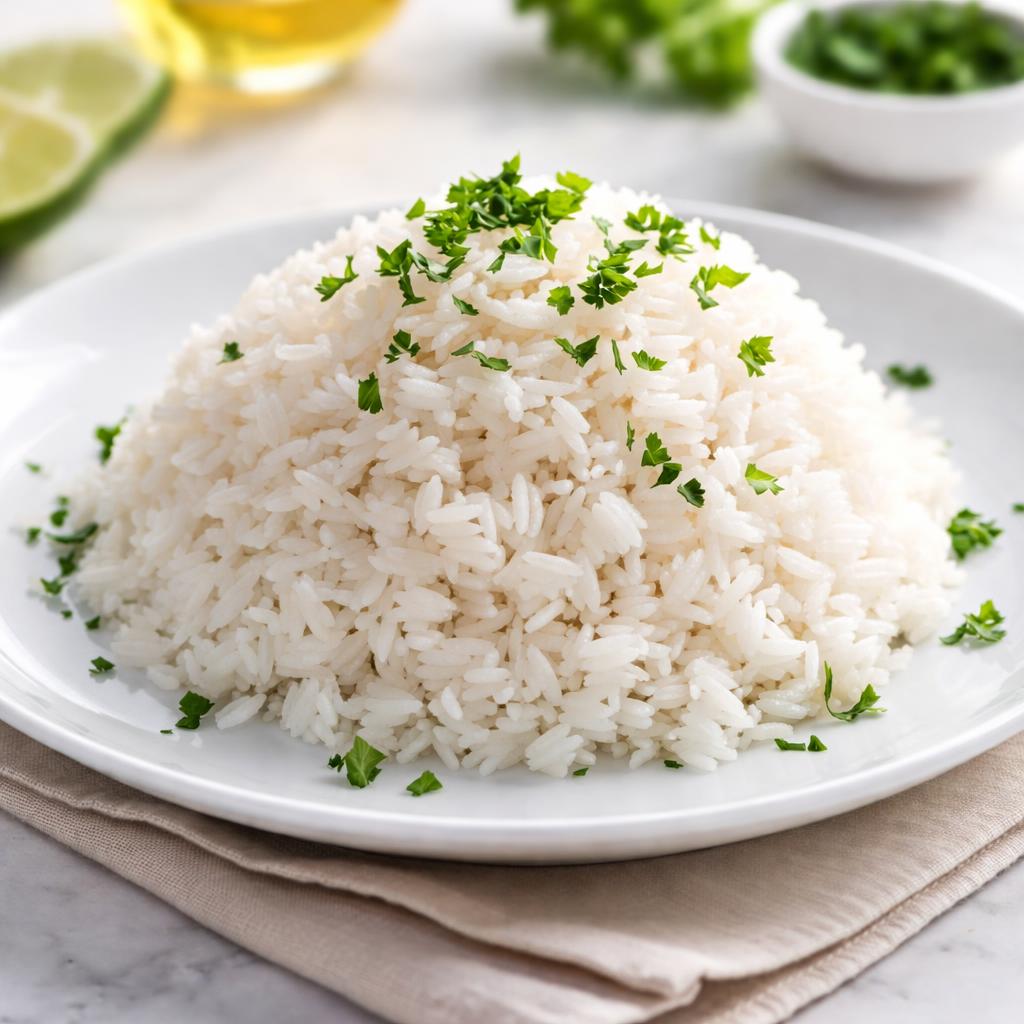
Rice
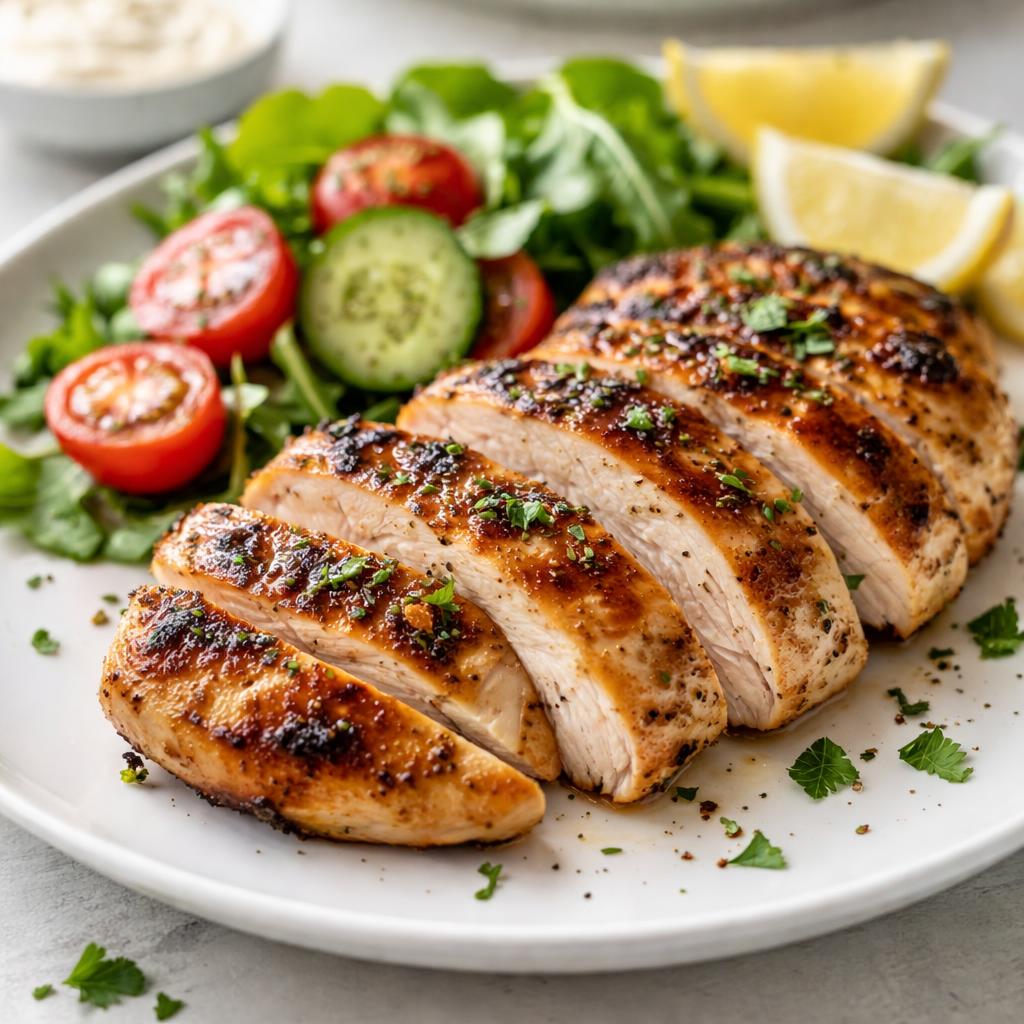
Chicken
🎯 Quick Verdict
Chicken is significantly higher in protein and lower in calories, making it ideal for those prioritizing muscle growth or weight management. Rice, while lower in protein, is a good source of quick energy and contains more fiber, making it suitable as a carb source for sustained energy during meals.

Smart Nutrition Tracking with SnapCalorie

📊 Nutritional Comparison
Macronutrients
| Nutrient | Food 1 | Food 2 | Winner |
|---|---|---|---|
| Calories | 130 per 100g (white rice, cooked) | 165 per 100g (grilled chicken breast) | ✓ |
| Protein | 2.7g per 100g | 31g per 100g | ✓ |
| Carbs | 28.2g per 100g | 0g per 100g | ✓ |
| Fat | 0.3g per 100g | 3.6g per 100g | ✓ |
| Fiber | 0.4g per 100g | 0g per 100g | ✓ |
Vitamins & Minerals
| Nutrient | Food 1 | Food 2 | Winner |
|---|---|---|---|
| Vitamin D | 0mcg | 0.2mcg | ✓ |
| Calcium | 10mg | 12mg | ✓ |
| Iron | 0.2mg | 1mg | ✓ |
🏆 Category Winners
Protein
Chicken contains nearly 10x the protein of rice per 100g serving.
Fiber
Rice provides small amounts of fiber, while chicken contains none.
Calories
Rice is slightly lower in calories per 100g serving compared to chicken.
Vitamins
Chicken is richer in Vitamin D, calcium, and iron compared to rice.
🥗 Diet Compatibility
Keto
Food 1: Not Compatible
Food 2: Compatible
Chicken has no carbs, while rice is high in carbohydrates.
Vegan
Food 1: Compatible
Food 2: Not Compatible
Rice is plant-based; chicken is not vegan-friendly.
Gluten Free
Food 1: Compatible
Food 2: Compatible
Neither rice nor chicken contain gluten.
Paleo
Food 1: Not Compatible
Food 2: Compatible
Chicken aligns with a paleo diet, while rice does not due to its grain content.
Low-Carb
Food 1: Not Compatible
Food 2: Compatible
Rice is high in carbs, whereas chicken is low-carb.
💪 Health Benefits Comparison
Food 1 Benefits
- Good source of quick digesting carbohydrates for energy
- Provides small amounts of fiber for digestion
- Low in fat and easy to pair with various foods for balanced meals
Food 2 Benefits
- Excellent source of complete protein for muscle maintenance and repair
- Contains healthy fats, supporting overall heart and hormonal health
- Rich in micronutrients such as iron, promoting better oxygen transport in the body
✅ The Bottom Line
Rice is a solid choice as a carb source for energy before or after exercise, or as part of a balanced meal. Chicken, however, outshines rice for those looking for high protein, low-carb options, especially on diets such as keto, paleo, or low-calorie plans.
Choose Food 1 for: Quick energy needs, vegan diets, side dishes with vegetables or proteins
Choose Food 2 for: High-protein diets, low-carb meals, weight management and muscle recovery


