Rice VS Chick Peas
A detailed nutritional comparison
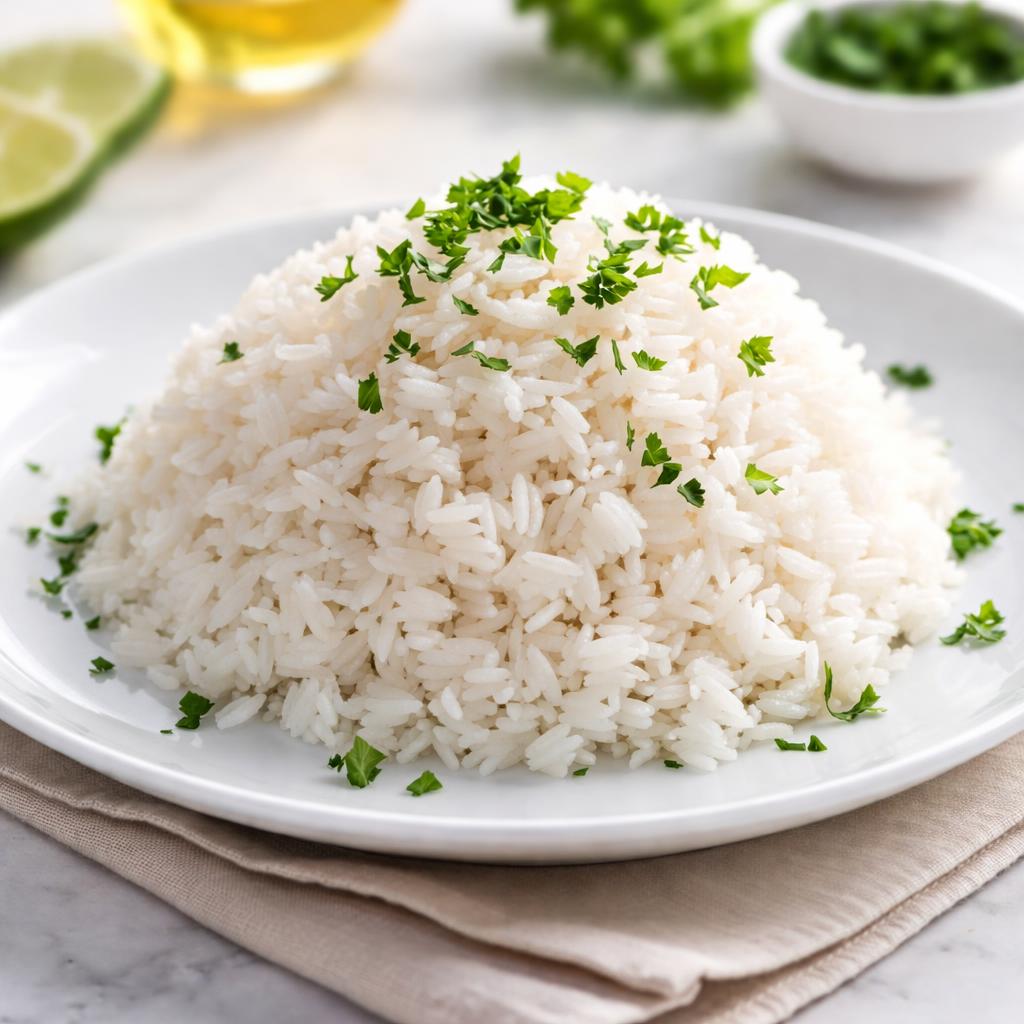
Rice
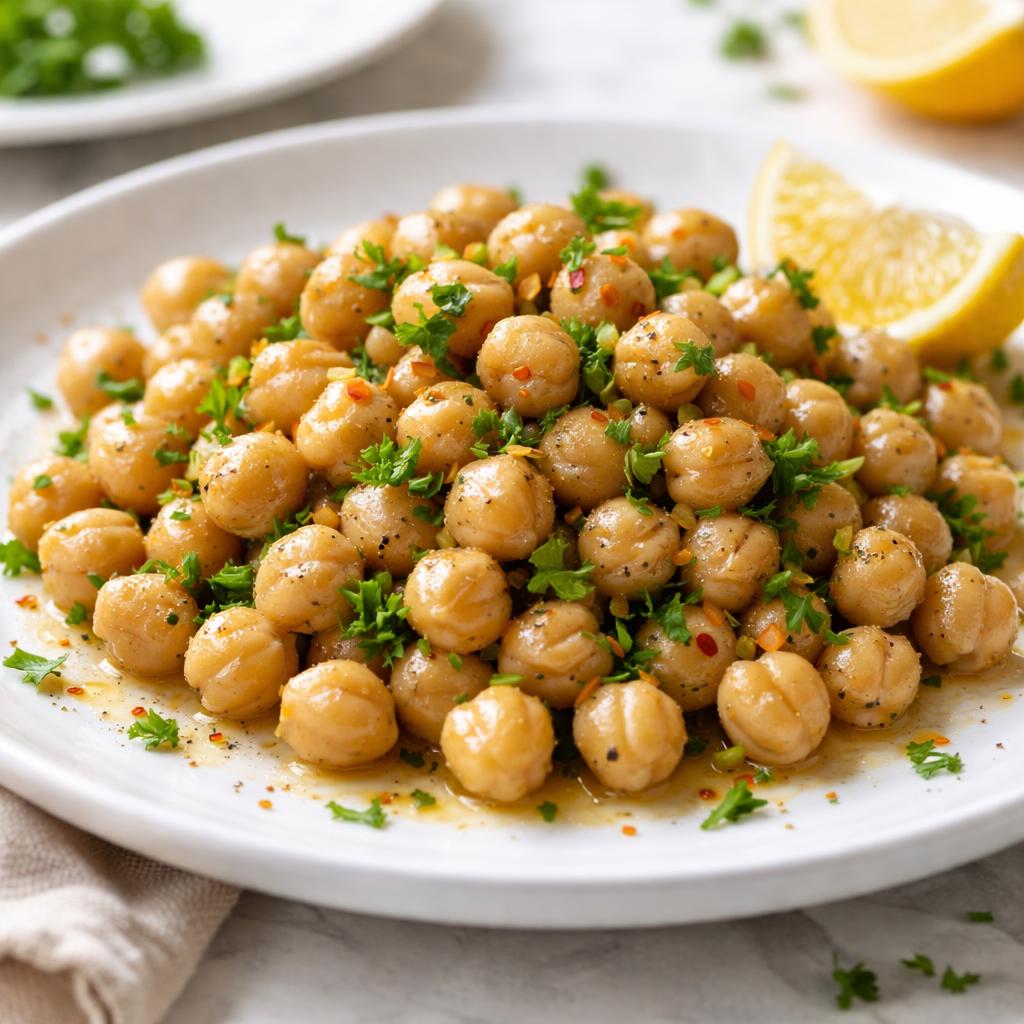
Chick Peas
🎯 Quick Verdict
Chickpeas outshine rice in protein (19g vs 2.7g) and fiber (7.6g vs 0.4g), making them a more nutrient-dense choice. Rice, however, offers fewer calories (130 vs 164 per 100g), and its high-carb profile may be better suited for quick energy boosts. Choose chickpeas for satiety and nutrient needs, while rice works as a simple, carb-rich side dish.

Smart Nutrition Tracking with SnapCalorie

📊 Nutritional Comparison
Macronutrients
| Nutrient | Food 1 | Food 2 | Winner |
|---|---|---|---|
| Calories | 130g | 164g | ✓ |
| Protein | 2.7g | 19g | ✓ |
| Carbs | 28.2g | 27.4g | ✓ |
| Fat | 0.3g | 2.59g | ✓ |
| Fiber | 0.4g | 7.6g | ✓ |
Vitamins & Minerals
| Nutrient | Food 1 | Food 2 | Winner |
|---|---|---|---|
| Vitamin C | 0mg | 3.8mg | ✓ |
| Vitamin B6 | 0.145mg | 0.535mg | ✓ |
| Iron | 0.2mg | 2.89mg | ✓ |
| Magnesium | 12mg | 48mg | ✓ |
🏆 Category Winners
Protein
Chickpeas have roughly 7x more protein than rice per 100g.
Fiber
Chickpeas have 19x more fiber than rice per 100g.
Calories
Rice has about 21% fewer calories per 100g.
Vitamins
Chickpeas are richer in key vitamins like Vitamin C, B6, and iron.
🥗 Diet Compatibility
Keto
Food 1: Not Compatible
Food 2: Not Compatible
Both are high in carbohydrates and not suitable for keto diets.
Vegan
Food 1: Compatible
Food 2: Compatible
Both are plant-based foods.
Gluten Free
Food 1: Compatible
Food 2: Compatible
Neither contains gluten.
Paleo
Food 1: Not Compatible
Food 2: Compatible
Rice is not paleo-approved; chickpeas can fit into some paleo guidelines.
Low-Carb
Food 1: Not Compatible
Food 2: Not Compatible
Both foods are high in carbohydrates.
💪 Health Benefits Comparison
Food 1 Benefits
- Provides quick-release energy due to its high carbohydrate content.
- Low in calories, suitable for calorie-controlled diets.
- Easy to digest, making it good for sensitive stomachs.
Food 2 Benefits
- Rich in protein for muscle maintenance and growth.
- High in fiber for better digestion and prolonged satiety.
- Contains iron and magnesium for improved energy and bone strength.
- Provides antioxidants contributing to cellular health.
✅ The Bottom Line
Chickpeas are the superior choice for nutrient density, offering high protein and fiber along with essential vitamins and minerals. Rice is better for those needing quick, easy energy from carbohydrates and a lower calorie option. The decision ultimately depends on your dietary goals; chickpeas suit nutrient-rich meals or plant-based protein needs, while rice serves as a versatile and simple carb side dish.
Choose Food 1 for: Weight loss, quick energy boost, sensitive digestion
Choose Food 2 for: High-protein diets, fiber-rich meals, nutrient-dense dishes


