Rice VS Chestnut
A detailed nutritional comparison
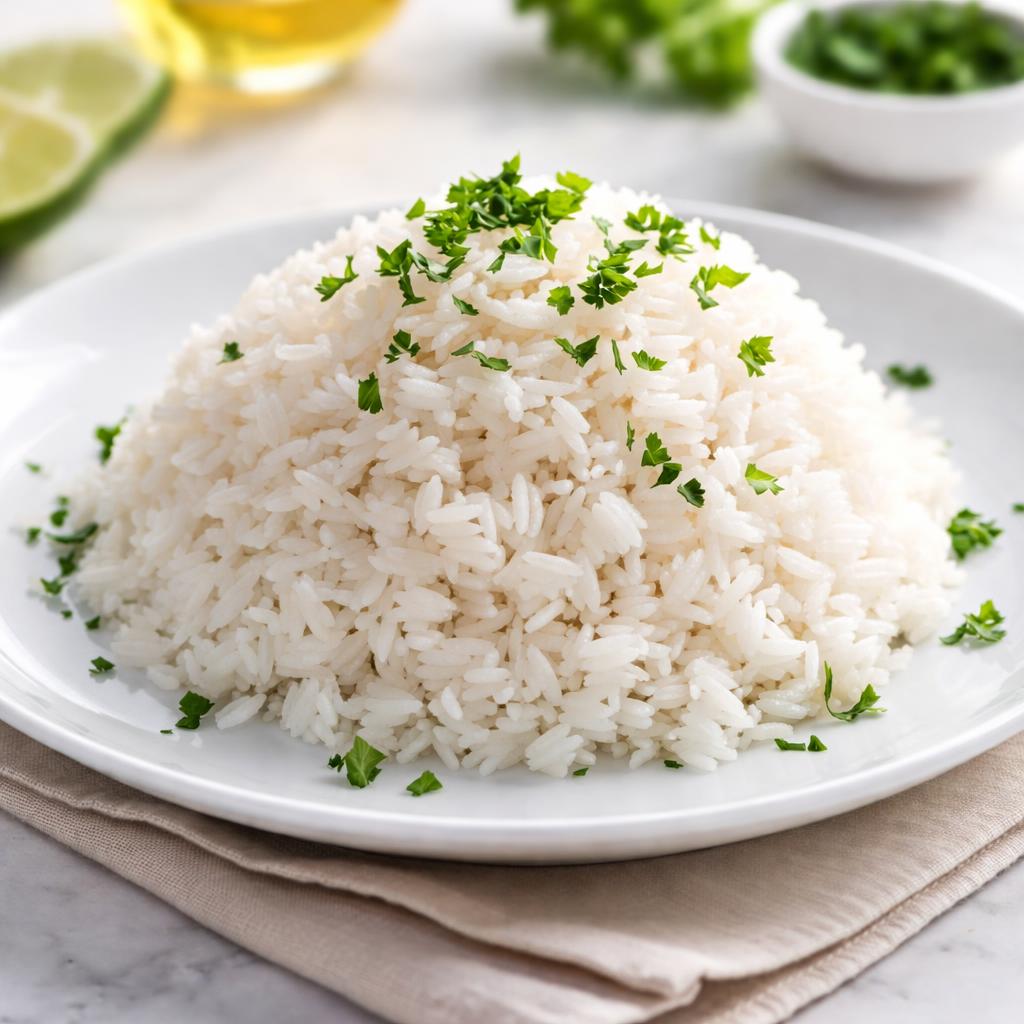
Rice
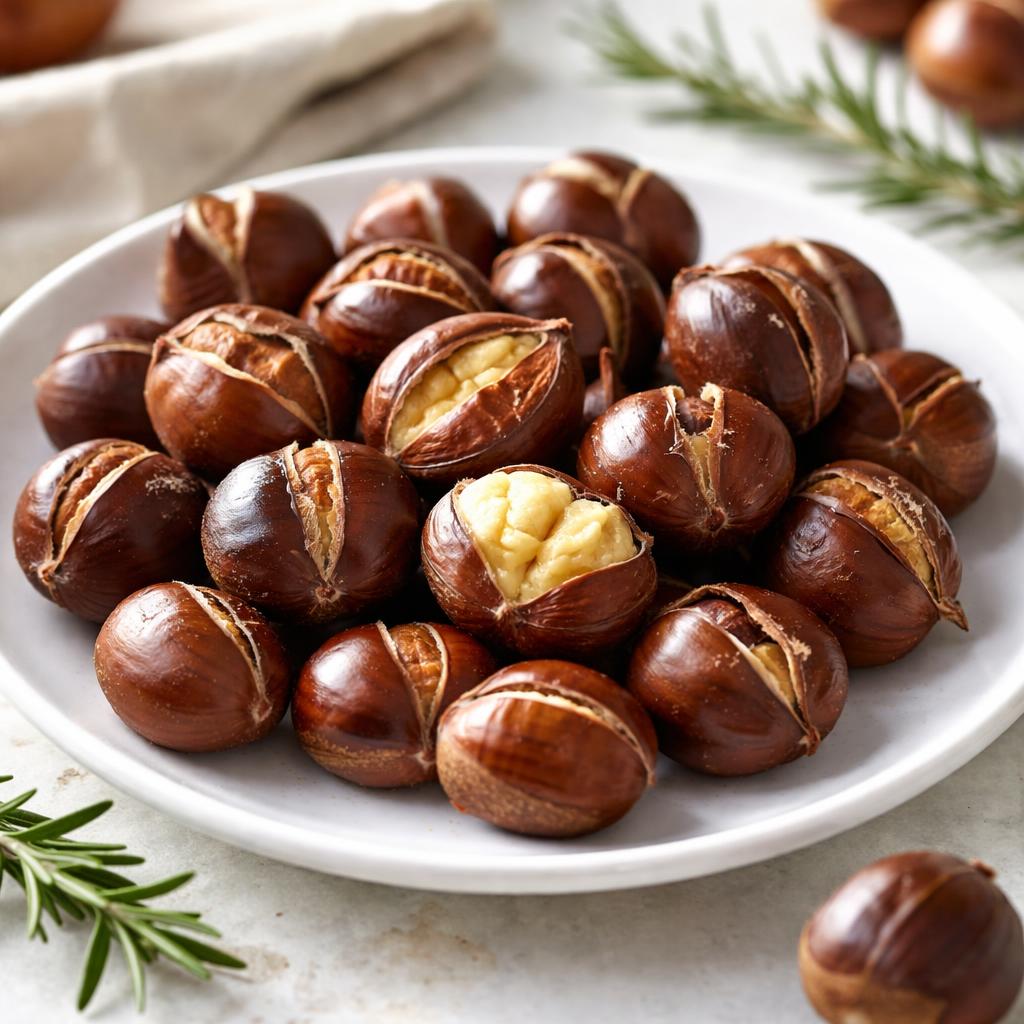
Chestnut
🎯 Quick Verdict
Rice and chestnuts are vastly different nutritionally. Rice is a lower-calorie, high-carb option with modest protein and minimal fiber, ideal for energy. Chestnuts, meanwhile, are higher in fiber, healthy fats, and nutrient density, offering a balanced energy source and heart health benefits. Choose rice for quick energy and chestnuts for sustained nourishment and additional nutrients.

Smart Nutrition Tracking with SnapCalorie

📊 Nutritional Comparison
Macronutrients
| Nutrient | Food 1 | Food 2 | Winner |
|---|---|---|---|
| Calories | 130 per 100g | 206 per 100g | ✓ |
| Protein | 2.7g per 100g | 2.4g per 100g | ✓ |
| Carbs | 28g per 100g | 45g per 100g | ✓ |
| Fat | 0.3g per 100g | 2g per 100g | ✓ |
| Fiber | 0.4g per 100g | 8.1g per 100g | ✓ |
Vitamins & Minerals
| Nutrient | Food 1 | Food 2 | Winner |
|---|---|---|---|
| Vitamin C | 0mg | 43mg per 100g | ✓ |
| Vitamin B6 | 0.1mg per 100g | 0.3mg per 100g | ✓ |
| Potassium | 35mg per 100g | 518mg per 100g | ✓ |
🏆 Category Winners
Protein
Rice has slightly more protein per serving compared to chestnuts.
Fiber
Chestnuts provide significantly more fiber, supporting digestion.
Calories
Rice has fewer calories, making it suitable for lower caloric intake diets.
Vitamins
Chestnuts excel with high levels of vitamin C, B6, and potassium.
🥗 Diet Compatibility
Keto
Food 1: Not Compatible
Food 2: Not Compatible
Both foods are high in carbs, which limits their keto compatibility.
Vegan
Food 1: Compatible
Food 2: Compatible
Both rice and chestnuts are fully plant-based, making them vegan-friendly.
Gluten Free
Food 1: Compatible
Food 2: Compatible
Neither food contains gluten.
Paleo
Food 1: Not Compatible
Food 2: Compatible
Chestnuts align with paleo principles, whereas rice does not as it is a grain.
Low-Carb
Food 1: Not Compatible
Food 2: Not Compatible
Both foods are carb-heavy, limiting their use in low-carb diets.
💪 Health Benefits Comparison
Food 1 Benefits
- Provides quick energy due to high carbohydrate content
- Good choice for athletes needing immediate glycogen replenishment
- Low-fat food option for calorie control diets
Food 2 Benefits
- High in fiber to support digestion and satiety
- Rich in potassium and vitamin C for heart health and immune support
- Contains healthy fats for sustained energy
✅ The Bottom Line
Rice is better for quick energy, athletic recovery, and low-calorie diets. Chestnuts are ideal for boosting overall nutrition, supporting heart health, and longer-lasting energy. Choose rice for simplicity and quick meals, and chestnuts for snacks or inclusion in nutrient-dense recipes.
Choose Food 1 for: Quick energy, athletes, calorie-conscious diets
Choose Food 2 for: Heart health, sustained energy, digestive support


