Rice VS Cheese Puffs
A detailed nutritional comparison
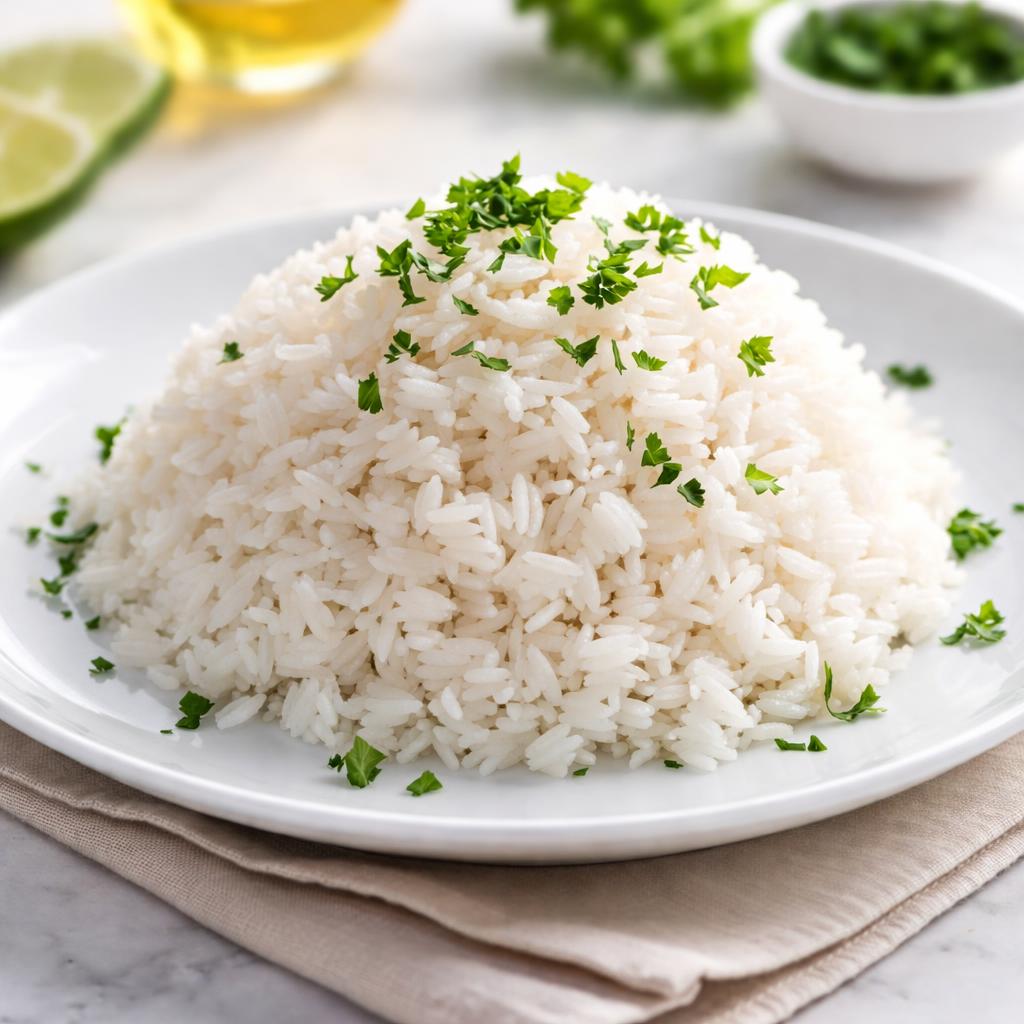
Rice
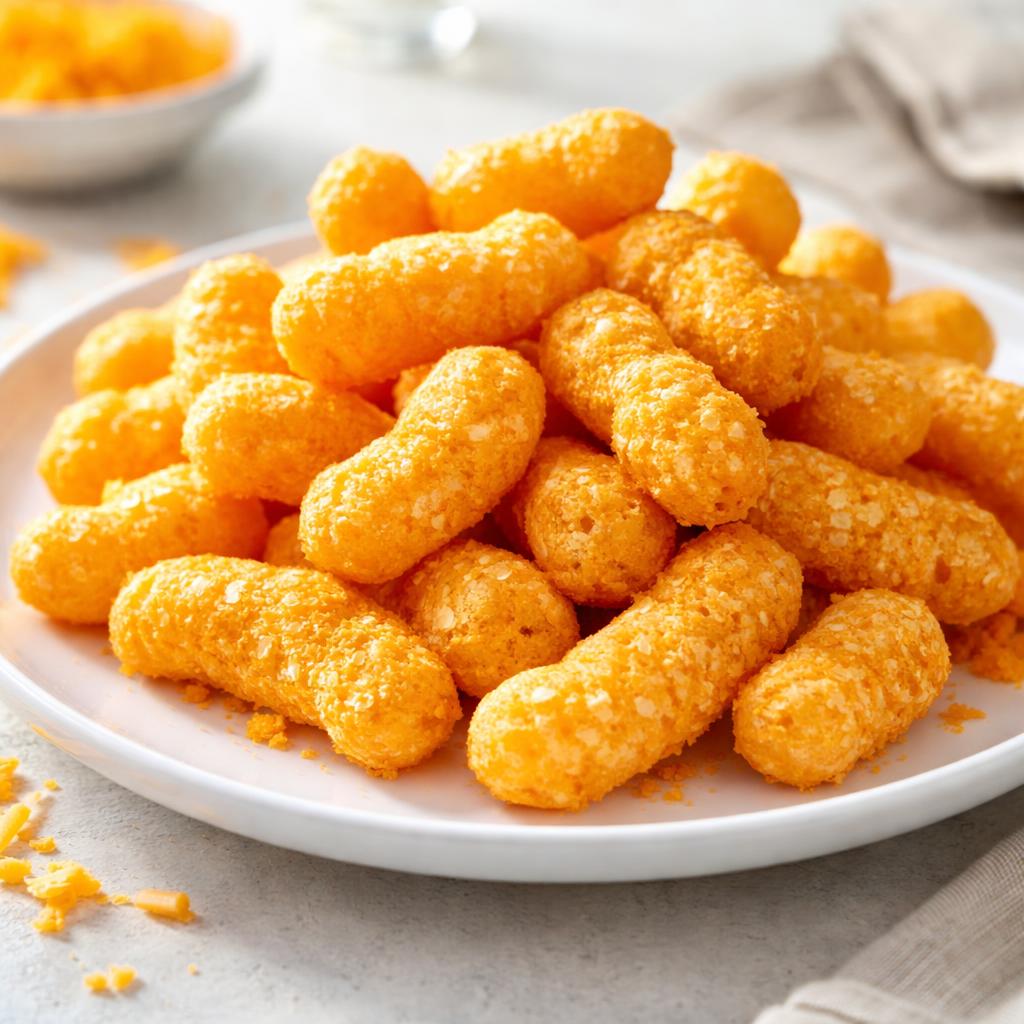
Cheese Puffs
🎯 Quick Verdict
Rice is a simple carb-rich staple with fewer calories and slightly better fiber content compared to cheese puffs. Cheese puffs have more fat and sodium, making them less ideal for everyday consumption but suitable as a snack. Rice is better for balanced meals and energy sustenance, while cheese puffs are more indulgent but nutrient-sparse.

Smart Nutrition Tracking with SnapCalorie

📊 Nutritional Comparison
Macronutrients
| Nutrient | Food 1 | Food 2 | Winner |
|---|---|---|---|
| Calories | 130 (1 cup cooked) | 160 (1 oz) | ✓ |
| Protein | 2.7g | 2.7g | − |
| Carbs | 28.7g | 13g | ✓ |
| Fat | 0.3g | 10g | ✓ |
| Fiber | 0.4g | 0g | ✓ |
Vitamins & Minerals
| Nutrient | Food 1 | Food 2 | Winner |
|---|---|---|---|
| Calcium | 9mg | 115mg | ✓ |
| Iron | 0.3mg | 0.1mg | ✓ |
| Vitamin D | 0mcg | 0mcg | − |
🏆 Category Winners
Protein
Both have 2.7g of protein per serving.
Fiber
Food1 contains a small amount of fiber (0.4g) while Food2 has none.
Calories
Rice has 18.75% fewer calories per serving compared to cheese puffs.
Vitamins
Cheese puffs provide more calcium (115mg vs 9mg).
🥗 Diet Compatibility
Keto
Food 1: Not Compatible
Food 2: Not Compatible
Both foods are too high in carbs for strict keto diets.
Vegan
Food 1: Compatible
Food 2: Not Compatible
Rice is plant-based, but cheese puffs typically contain dairy ingredients.
Gluten Free
Food 1: Compatible
Food 2: Compatible
Both foods are generally free from gluten unless contaminated.
Paleo
Food 1: Not Compatible
Food 2: Not Compatible
Rice is excluded from paleo diets, and cheese puffs are processed food.
Low-Carb
Food 1: Not Compatible
Food 2: Moderately Compatible
Cheese puffs are lower in carbs than rice but still not ideal for strict low-carb diets.
💪 Health Benefits Comparison
Food 1 Benefits
- Provides steady energy with complex carbohydrates
- Low in fat, making it suitable for reduced-fat diets
- Good source of magnesium and selenium in whole-grain varieties
Food 2 Benefits
- Rich in calcium for bone health
- Contains small amounts of protein for satiety
- Fun snack that satisfies cravings in moderation
✅ The Bottom Line
Rice is the more versatile option, offering balanced macros for meal prep, while cheese puffs work as an occasional treat due to their higher calorie and fat content. Choose rice for sustained energy and controlled portions. Opt for cheese puffs sparingly when craving a snack.
Choose Food 1 for: Balanced meals, energy sustenance, low-fat diets
Choose Food 2 for: Quick snacking, calcium boost, indulgent treats


