Rice VS Carrots
A detailed nutritional comparison
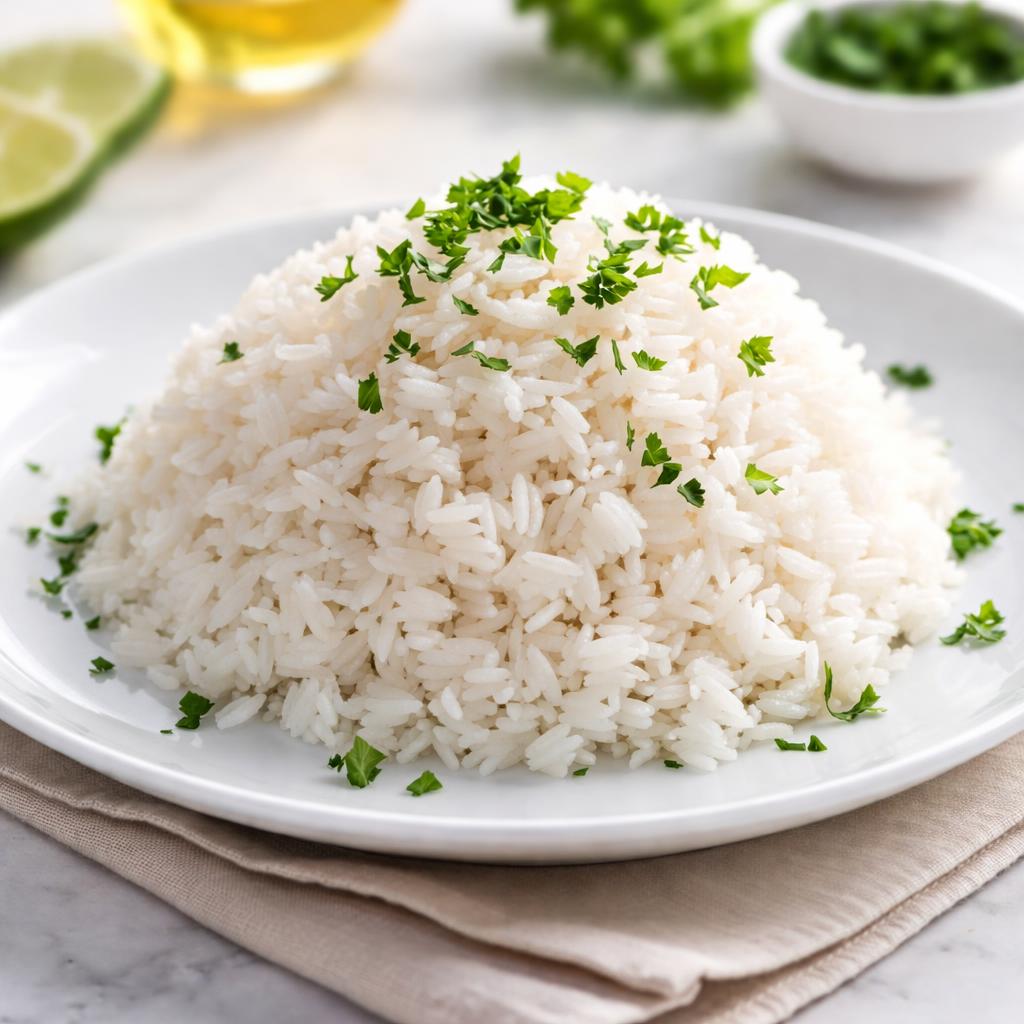
Rice
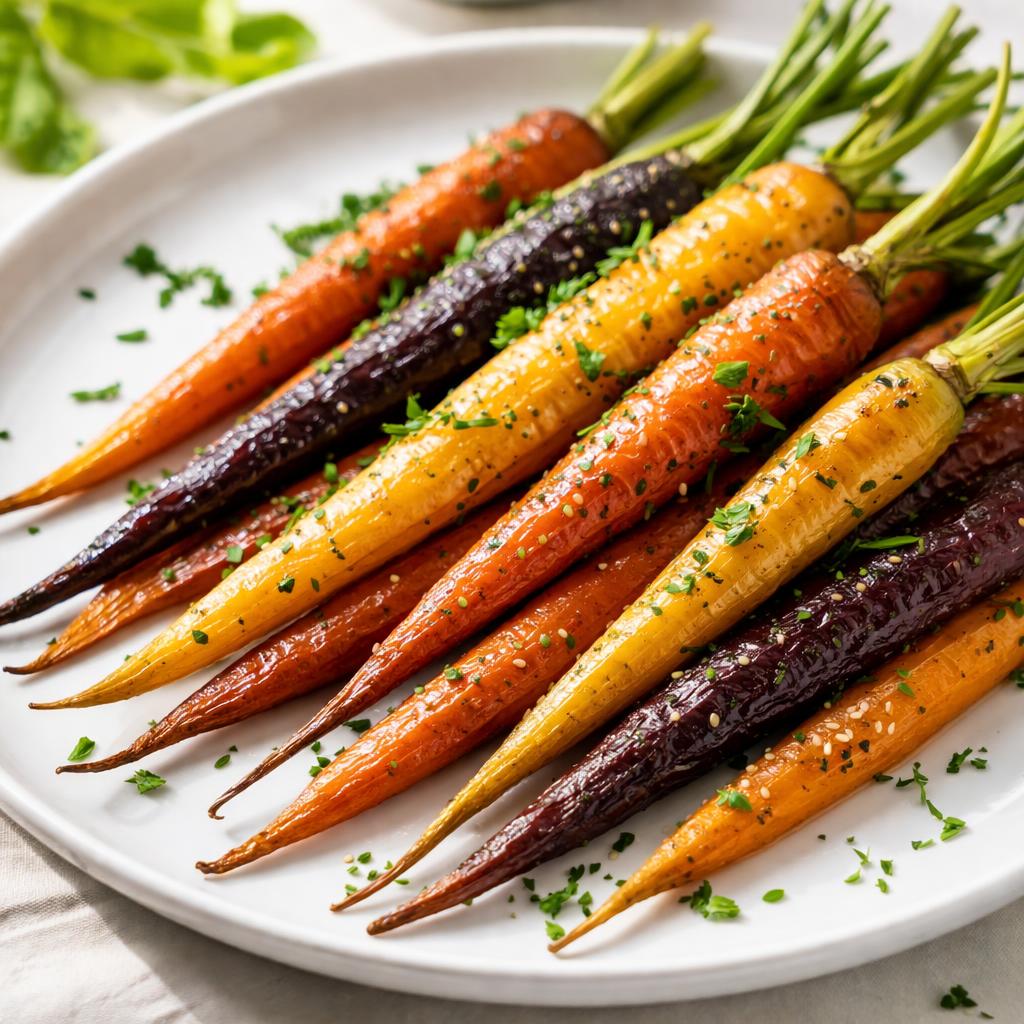
Carrots
🎯 Quick Verdict
Rice is higher in calories and carbs, making it an excellent energy source for active lifestyles, while carrots are lower in calories and higher in fiber and vitamins, making them ideal for weight loss and micronutrient intake. Each food serves distinct roles in a balanced diet depending on personal goals.

Smart Nutrition Tracking with SnapCalorie

📊 Nutritional Comparison
Macronutrients
| Nutrient | Food 1 | Food 2 | Winner |
|---|---|---|---|
| Calories | 130 per 100g | 41 per 100g | − |
| Protein | 2.7g per 100g | 0.9g per 100g | − |
| Carbs | 28g per 100g | 9.6g per 100g | − |
| Fat | 0.3g per 100g | 0.2g per 100g | − |
| Fiber | 0.4g per 100g | 2.8g per 100g | − |
Vitamins & Minerals
| Nutrient | Food 1 | Food 2 | Winner |
|---|---|---|---|
| Vitamin A | 0 IU | 835 mcg (92% DV) | − |
| Vitamin C | 0mg | 5.9mg (7% DV) | − |
| Vitamin K | 0.1mcg | 15mcg (13% DV) | − |
🏆 Category Winners
Protein
Rice provides three times more protein compared to carrots.
Fiber
Carrots contain seven times more fiber, supporting digestion and satiety.
Calories
Carrots are significantly lower in calories, suitable for weight loss.
Vitamins
Carrots are rich in Vitamin A, C, and K, providing more essential nutrients than rice.
🥗 Diet Compatibility
Keto
Food 1: Not Compatible
Food 2: Not Compatible
Both are high in carbs and unsuitable for standard keto diets.
Vegan
Food 1: Compatible
Food 2: Compatible
Both are entirely plant-based foods.
Gluten Free
Food 1: Compatible
Food 2: Compatible
Neither contains gluten.
Paleo
Food 1: Compatible
Food 2: Compatible
Both are paleo-friendly, unprocessed whole foods.
Low Carb
Food 1: Not Compatible
Food 2: Compatible
Carrots have fewer carbs compared to rice and can fit moderate low-carb diets.
💪 Health Benefits Comparison
Food 1 Benefits
- Excellent source of energy from complex carbohydrates.
- Low-fat food suitable for low-fat diets.
- Provides small amounts of protein for muscle repair.
Food 2 Benefits
- Rich in beta-carotene (Vitamin A) for eye health.
- Contains antioxidants that combat oxidative stress.
- High in fiber, aiding digestive health and satiety.
✅ The Bottom Line
Rice and carrots serve different purposes in nutrition. Rice is best for energy and protein in active lifestyles, while carrots are ideal for their low-calorie, high-fiber, and vitamin-rich profile. Choose rice for energy needs and carrots for nutrient density and fiber-heavy meals.
Choose Food 1 for: Energy fueling meals, muscle repair, gluten-free alternatives to bread
Choose Food 2 for: Weight loss, improved digestion, boosting vitamin intake


