Rice VS Caprese Salad
A detailed nutritional comparison
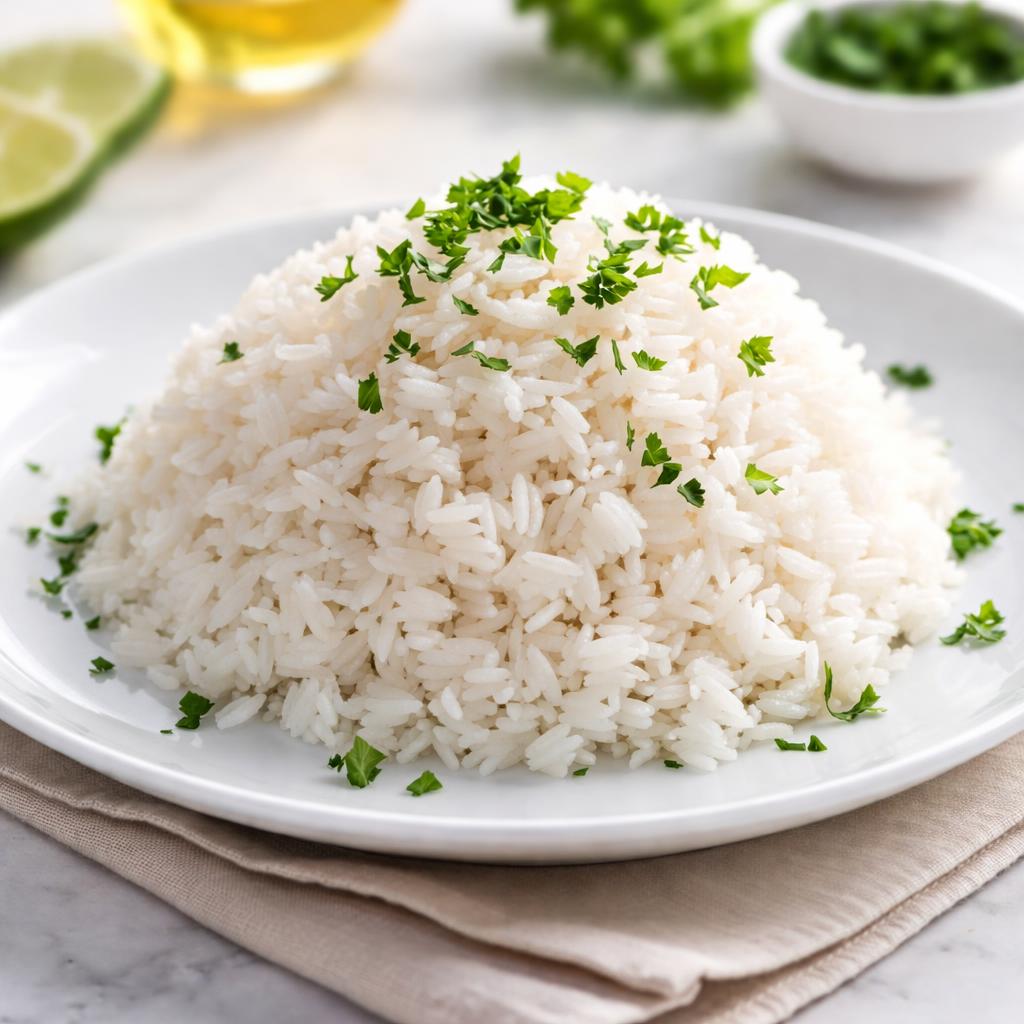
Rice
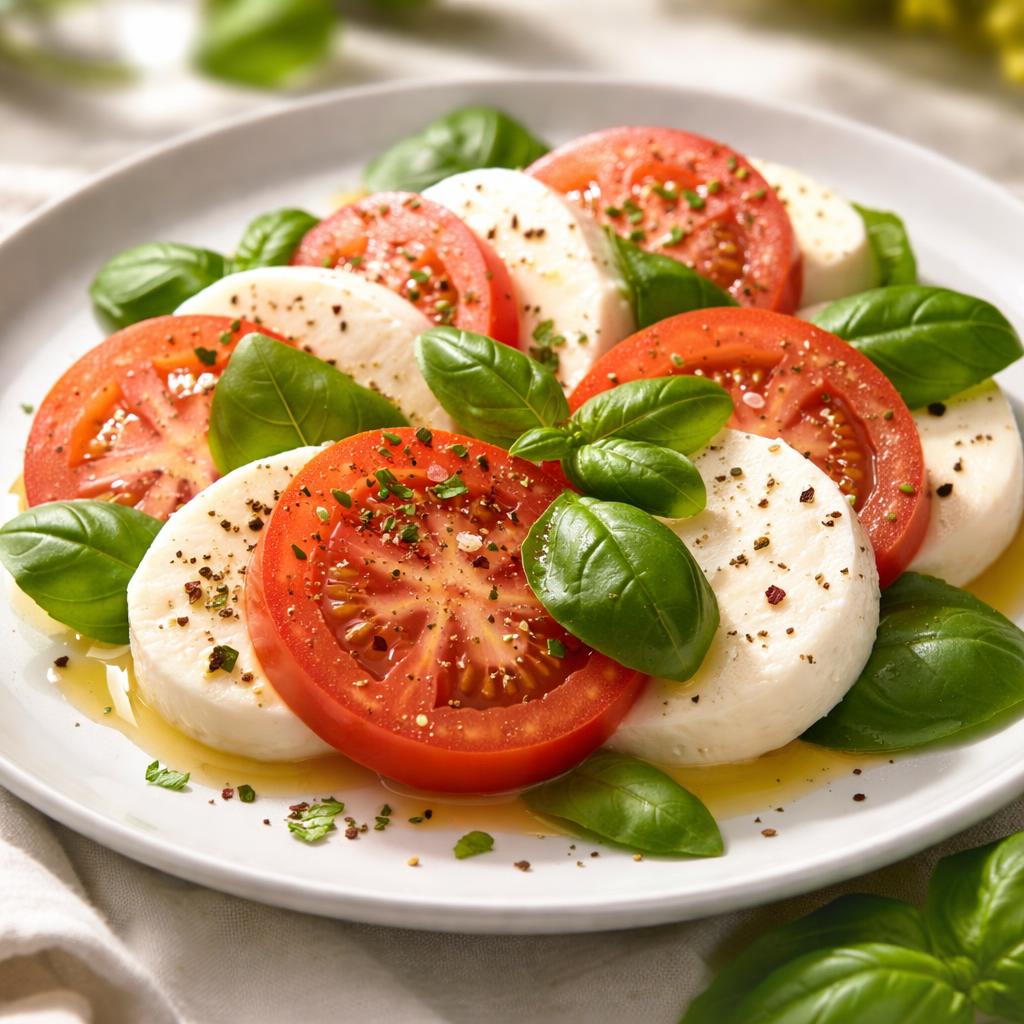
Caprese Salad
🎯 Quick Verdict
Caprese salad is overall more nutrient-dense than rice, offering higher protein and lower calories per serving. Rice, on the other hand, is a better source of fiber and carbohydrates for energy. Caprese salad is ideal for lighter meals or heart-healthy diets, while rice is a versatile grain perfect for pairing with protein-rich dishes.

Smart Nutrition Tracking with SnapCalorie

📊 Nutritional Comparison
Macronutrients
| Nutrient | Food 1 | Food 2 | Winner |
|---|---|---|---|
| Calories | 206 (per cup of cooked white rice) | 180 (per serving of caprese salad) | ✓ |
| Protein | 4.3g | 7g | ✓ |
| Carbs | 44.5g | 4g | ✓ |
| Fat | 0.4g | 13g | ✓ |
| Fiber | 0.6g | 0g | ✓ |
Vitamins & Minerals
| Nutrient | Food 1 | Food 2 | Winner |
|---|---|---|---|
| Vitamin D | 0mcg | 1mcg | ✓ |
| Calcium | 20mg | 250mg | ✓ |
| Iron | 1.9mg | 0.3mg | ✓ |
| Vitamin C | 0mg | 13mg | ✓ |
🏆 Category Winners
Protein
Caprese salad has 7g of protein per serving, significantly more than rice's 4.3g.
Fiber
Rice provides 0.6g of fiber per cup, while caprese salad has no fiber.
Calories
Caprese salad has 180 calories per serving compared to rice's 206 calories per cooked cup.
Vitamins
Caprese salad is richer in calcium (250mg vs 20mg), vitamin D, and vitamin C.
🥗 Diet Compatibility
Keto
Food 1: Not Compatible
Food 2: Compatible
Rice has high carbs (44.5g per cup), while caprese salad is low-carb (4g per serving).
Vegan
Food 1: Compatible
Food 2: Not Compatible
Rice is plant-based, but caprese salad typically contains mozzarella cheese, which isn't vegan.
Gluten Free
Food 1: Compatible
Food 2: Compatible
Both rice and caprese salad are naturally gluten-free.
Paleo
Food 1: Not Compatible
Food 2: Compatible
Rice is excluded in paleo diets due to its grain content; caprese salad meets paleo guidelines.
Low-Carb
Food 1: Not Compatible
Food 2: Compatible
Rice is high in carbs (44.5g), while caprese salad is low-carb, with just 4g.
💪 Health Benefits Comparison
Food 1 Benefits
- Provides quick, digestible energy from carbohydrates
- Low in fat and easy to digest
- Excellent base for pairing with nutrient-rich ingredients like vegetables and protein
Food 2 Benefits
- High in protein for muscle maintenance
- Contains healthy fats from olive oil and mozzarella
- Rich in calcium for bone health
- High in antioxidants from tomatoes and basil
✅ The Bottom Line
Rice is ideal for individuals needing a carbohydrate source for energy, especially paired with protein-rich dishes. Caprese salad is better suited for lighter meals, heart health, or low-carb diets. Choose rice for physical activity fuel or vegan meals, and caprese salad for nutrient density and lower calorie intake.
Choose Food 1 for: Energy needs, vegan diets, pairing with protein
Choose Food 2 for: Low-carb meals, heart health, nutrient-rich lighter options


