Rice VS Candy Corn
A detailed nutritional comparison
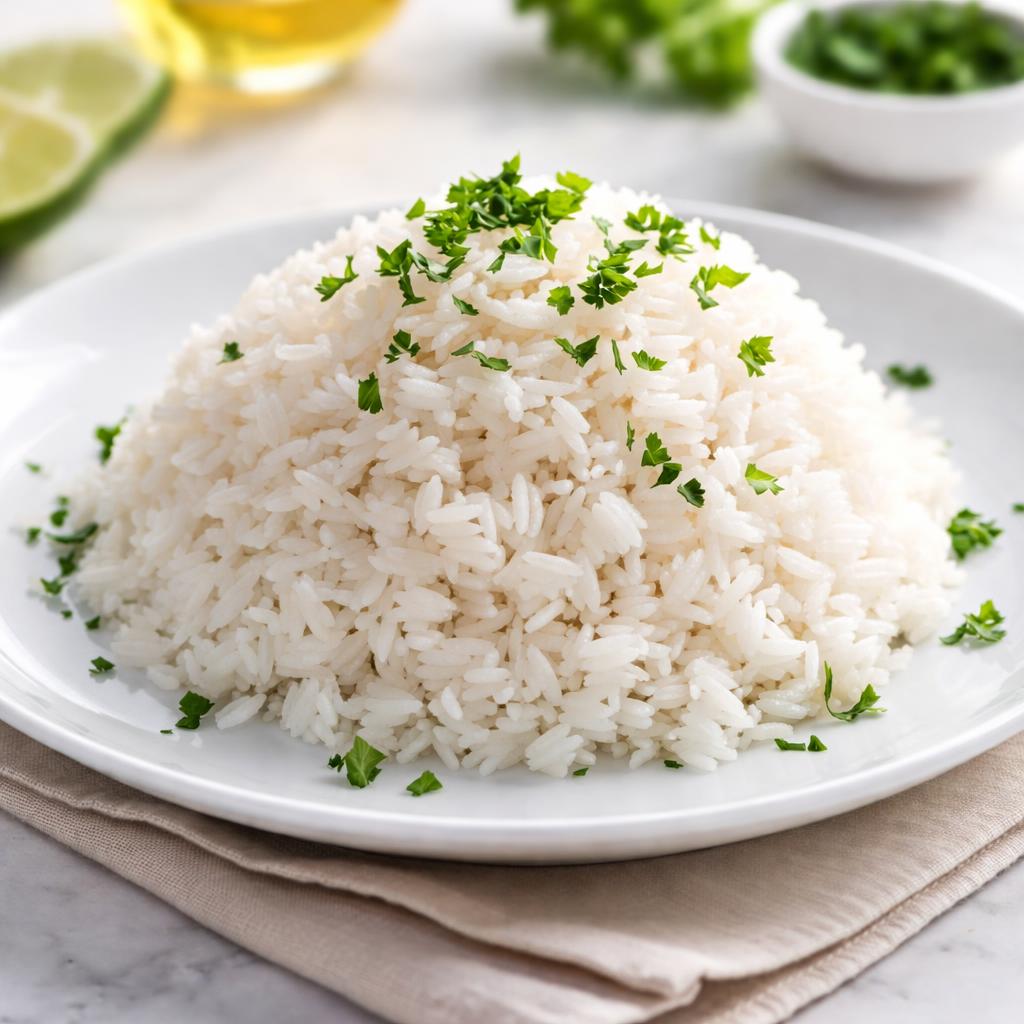
Rice
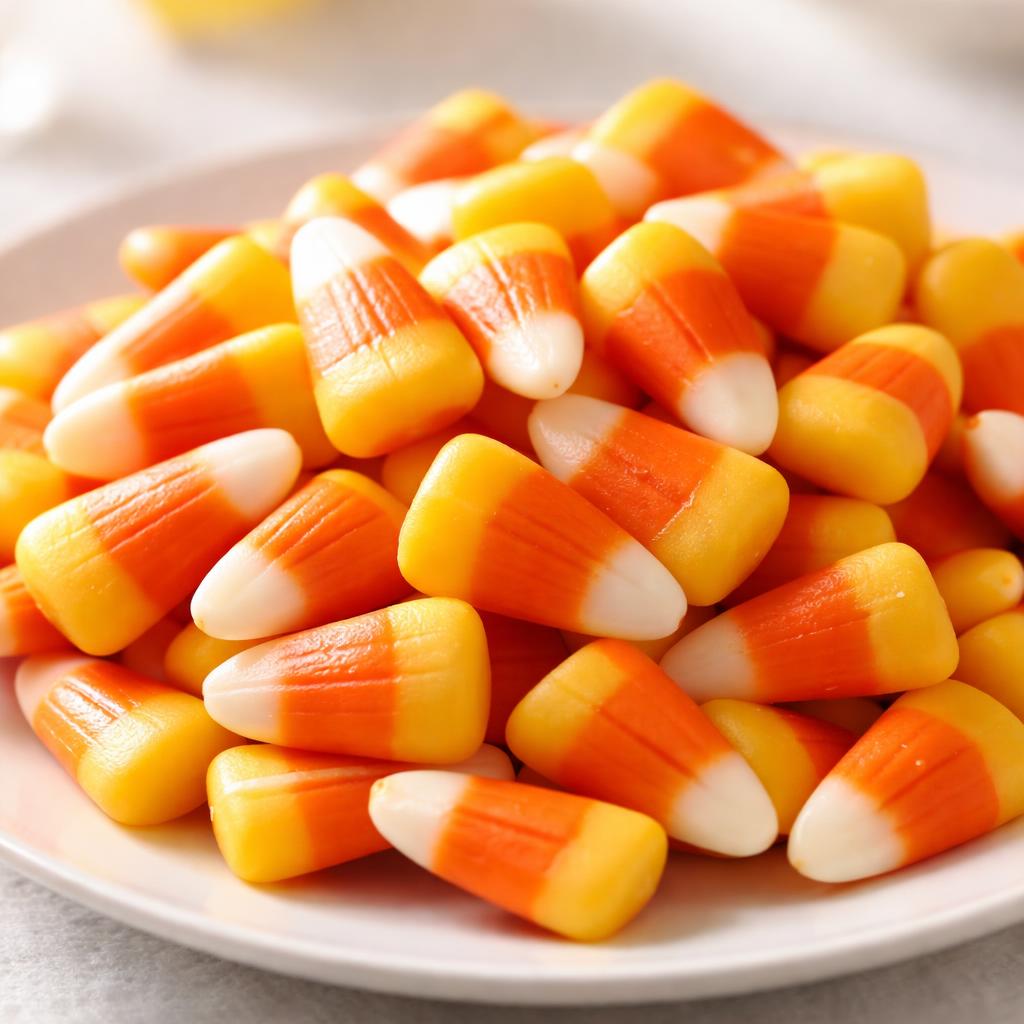
Candy Corn
🎯 Quick Verdict
Rice is nutritionally superior to candy corn in key areas such as protein, fiber, calories, and vitamins. Candy corn is primarily empty calories with no significant nutritional benefits, making it an occasional treat rather than a dietary staple. Rice's versatility and nutrient profile make it a better option for daily consumption, especially in balanced meals.

Smart Nutrition Tracking with SnapCalorie

📊 Nutritional Comparison
Macronutrients
| Nutrient | Food 1 | Food 2 | Winner |
|---|---|---|---|
| Calories | 206 | 140 | ✓ |
| Protein | 4.3g | 0g | ✓ |
| Carbs | 45g | 36g | ✓ |
| Fat | 0.4g | 0g | − |
| Fiber | 0.6g | 0g | ✓ |
Vitamins & Minerals
| Nutrient | Food 1 | Food 2 | Winner |
|---|---|---|---|
| Vitamin D | 0mcg | 0mcg | − |
| Calcium | 10mg | 0mg | ✓ |
| Iron | 0.2mg | 0mg | ✓ |
🏆 Category Winners
Protein
Rice provides 4.3g of protein per serving, while candy corn has none.
Fiber
Rice has 0.6g of fiber compared to none in candy corn.
Calories
Candy corn has fewer calories per serving than rice but lacks nutritional quality.
🥗 Diet Compatibility
Keto
Food 1: Not Compatible
Food 2: Not Compatible
Both foods are high in carbs and unsuitable for keto diets.
Vegan
Food 1: Compatible
Food 2: Compatible
Both foods are plant-based and vegan-friendly.
Gluten Free
Food 1: Compatible
Food 2: Compatible
Neither contains gluten.
Paleo
Food 1: Compatible
Food 2: Not Compatible
Rice can align with certain paleo approaches, while candy corn is processed and not paleo-friendly.
Low-Carb
Food 1: Not Compatible
Food 2: Not Compatible
Both are high in carbs and not suitable for low-carb diets.
💪 Health Benefits Comparison
Food 1 Benefits
- Provides sustained energy due to complex carbs
- Contains small amounts of protein for muscle repair
- Easy to digest and supports gut health
- Versatile and pairs well with nutrient-rich foods
Food 2 Benefits
- Can provide quick energy for short-term needs
- No fats, which could be helpful in calorie-controlled diets
- Fun treat for occasional consumption
✅ The Bottom Line
Rice is a better choice for everyday meals due to its higher protein, fiber, and vitamin content, supporting energy and digestion. Candy corn is a low-nutrient treat better reserved for special occasions. Avoid consuming candy corn regularly as it offers little nutritional value.
Choose Food 1 for: Balanced meals, sustained energy, nutrient inclusion
Choose Food 2 for: Occasional treat, quick energy for immediate use


