Rice VS Cabbage
A detailed nutritional comparison
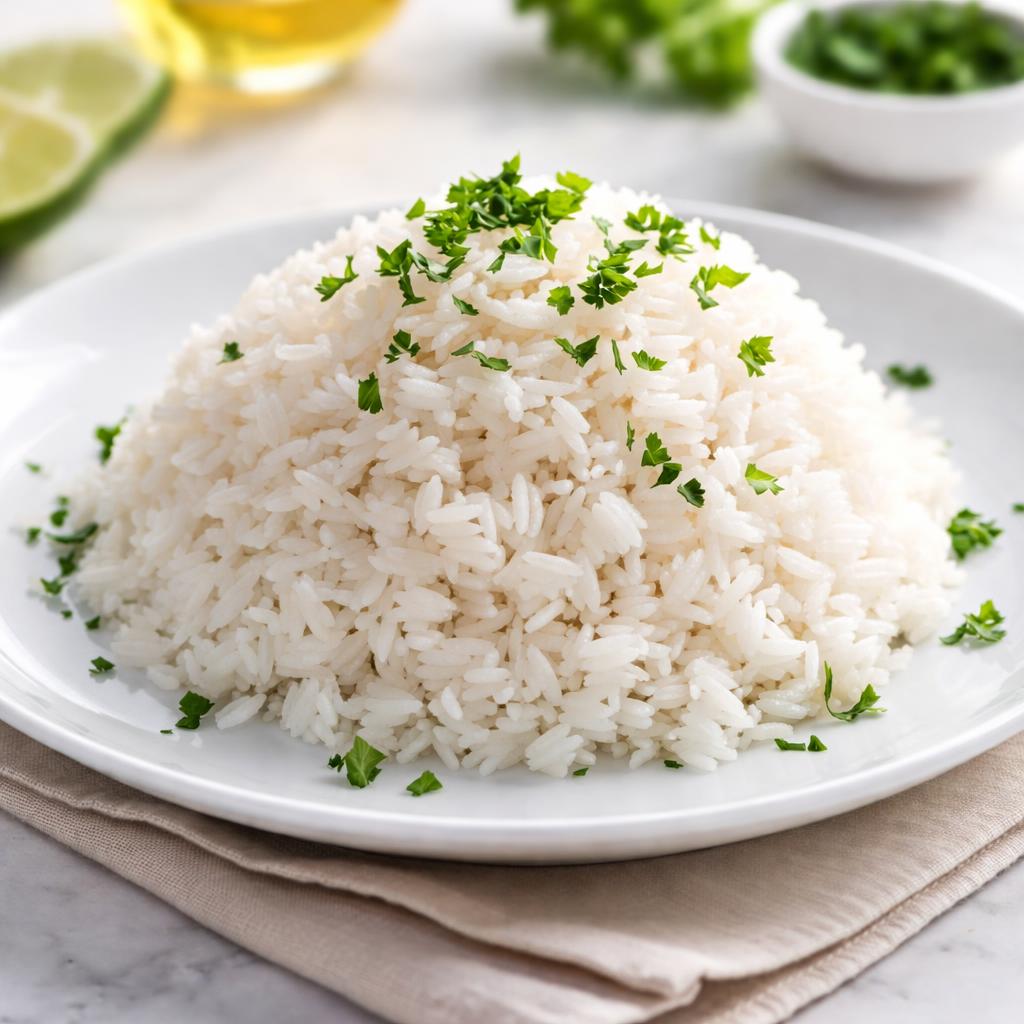
Rice
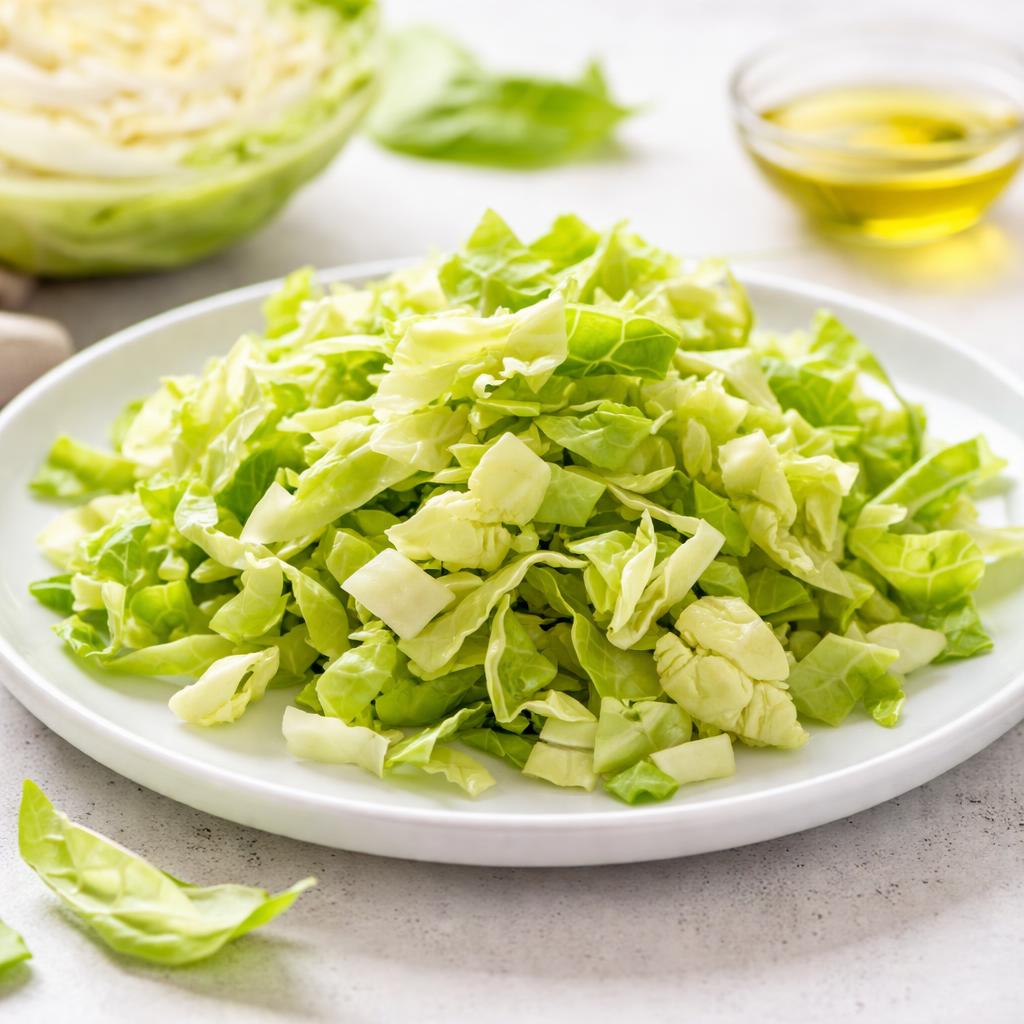
Cabbage
🎯 Quick Verdict
Rice provides more calories and protein, making it a better choice for energy-intensive diets. Cabbage is significantly lower in calories, rich in fiber, and packed with vitamins like Vitamin C and K, making it ideal for weight control and nutrient density. Both foods are versatile, depending on dietary needs and health goals.

Smart Nutrition Tracking with SnapCalorie

📊 Nutritional Comparison
Macronutrients
| Nutrient | Food 1 | Food 2 | Winner |
|---|---|---|---|
| Calories | 130 per 100g | 25 per 100g | − |
| Protein | 2.7g per 100g | 1.3g per 100g | − |
| Carbs | 28g per 100g | 6g per 100g | − |
| Fat | 0.3g per 100g | 0.1g per 100g | − |
| Fiber | 0.4g per 100g | 2.5g per 100g | − |
Vitamins & Minerals
| Nutrient | Food 1 | Food 2 | Winner |
|---|---|---|---|
| Vitamin C | 0mg | 36mg per 100g | − |
| Vitamin K | 0.2mcg | 76mcg per 100g | − |
| Potassium | 35mg per 100g | 170mg per 100g | − |
🏆 Category Winners
Protein
Rice offers double the protein compared to cabbage per 100g.
Fiber
Cabbage has 6 times more fiber than rice, aiding digestion.
Calories
Cabbage contains 80% fewer calories than rice, beneficial for weight control.
Vitamins
Cabbage is notably higher in essential vitamins like Vitamin C and K.
🥗 Diet Compatibility
Keto
Food 1: Not Compatible
Food 2: Compatible
Cabbage is low-carb (6g per 100g) and fits keto diets, while rice is high in carbs.
Vegan
Food 1: Compatible
Food 2: Compatible
Both foods are plant-based.
Gluten Free
Food 1: Compatible
Food 2: Compatible
Neither food contains gluten.
Paleo
Food 1: Compatible
Food 2: Compatible
Both rice and cabbage qualify under paleo diets.
Low-Carb
Food 1: Not Compatible
Food 2: Compatible
Cabbage has much fewer carbs and works for low-carb plans.
💪 Health Benefits Comparison
Food 1 Benefits
- Provides a good energy source due to high carbohydrate content
- Low in fat, making it suitable for low-fat diets
- Easily digestible and ideal for sensitive stomachs
Food 2 Benefits
- High in antioxidants like Vitamin C, boosting immunity
- Great source of fiber for digestive health
- Low-calorie food, ideal for weight loss
✅ The Bottom Line
Choose rice for energy-rich meals or post-workout recovery, especially if you need more calories and protein. Opt for cabbage for weight management, digestive health, or boosting your intake of essential vitamins. Both are versatile and can suit different dietary needs.
Choose Food 1 for: Energy-intensive diets, muscle building, pre/post-workout meals
Choose Food 2 for: Weight loss, keto diets, nutrient-dense meals


