Rice VS Burger Bun
A detailed nutritional comparison
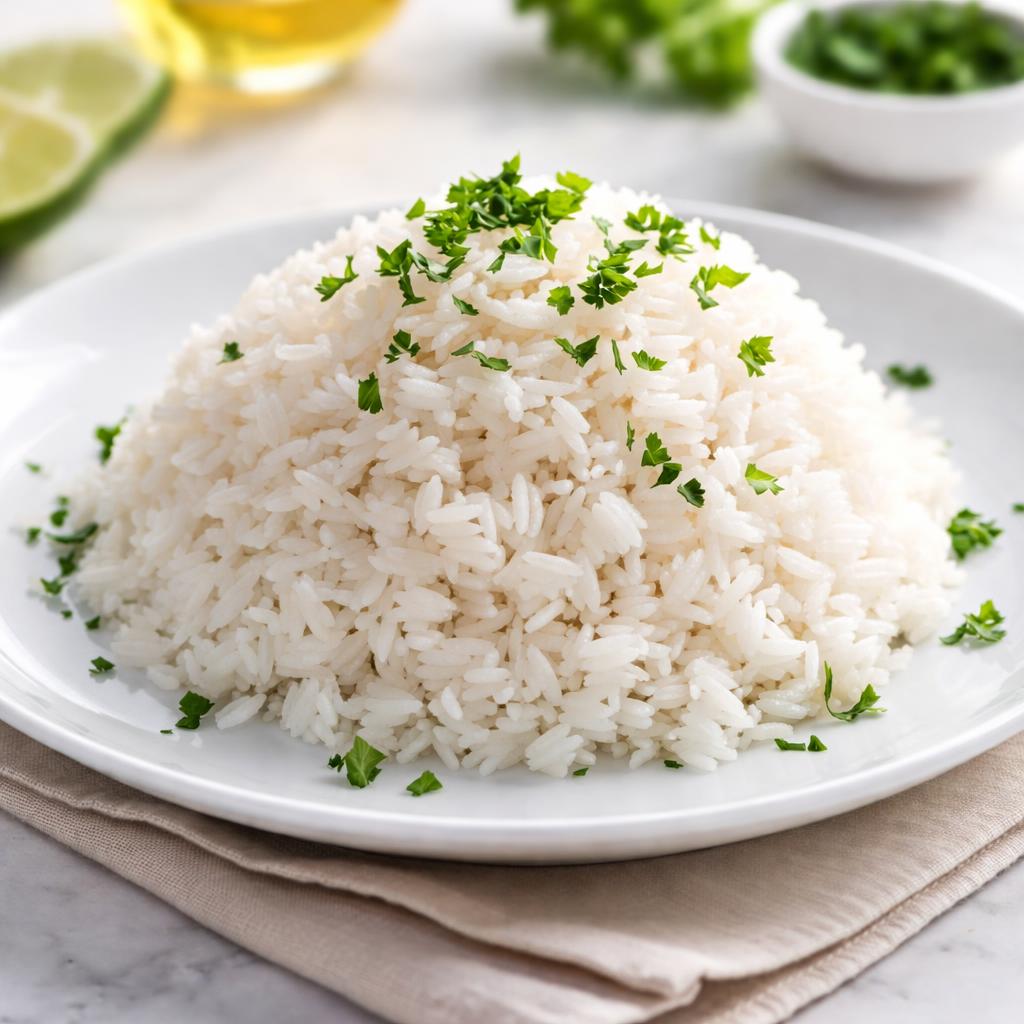
Rice
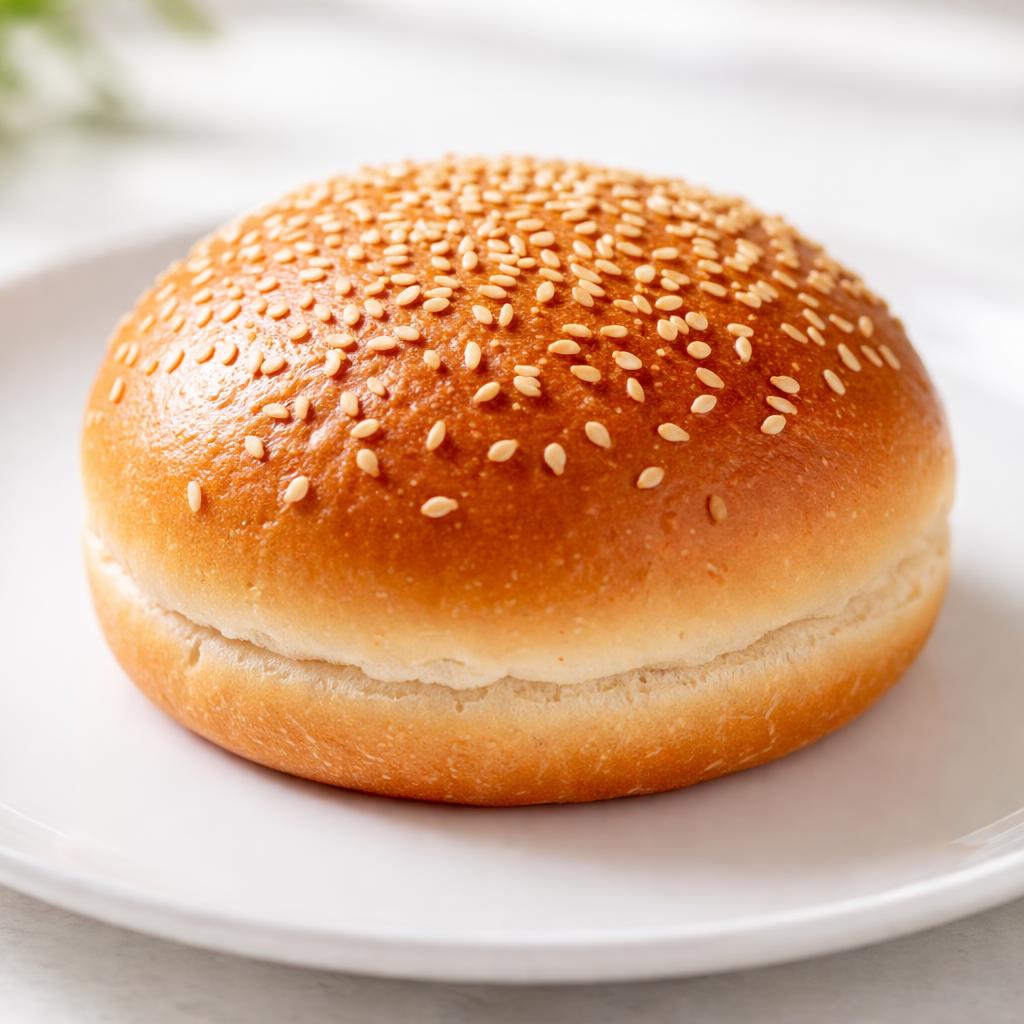
Burger Bun
🎯 Quick Verdict
Rice is lower in calories and fat, making it a great choice for weight-conscious diets, while burger buns provide more protein and fiber for added satiety and digestion support. Choose rice for clean energy and burger buns for a more balanced nutrient profile with moderate protein content.

Smart Nutrition Tracking with SnapCalorie

📊 Nutritional Comparison
Macronutrients
| Nutrient | Food 1 | Food 2 | Winner |
|---|---|---|---|
| Calories | 130 per cup (cooked) | 240 per bun | ✓ |
| Protein | 2.7g | 7g | ✓ |
| Carbs | 28g | 45g | ✓ |
| Fat | 0.3g | 3g | ✓ |
| Fiber | 0.4g | 2g | ✓ |
Vitamins & Minerals
| Nutrient | Food 1 | Food 2 | Winner |
|---|---|---|---|
| Vitamin D | 0mcg | 0mcg | − |
| Calcium | 10mg | 50mg | ✓ |
| Iron | 0.2mg | 1.5mg | ✓ |
🏆 Category Winners
Protein
Burger bun provides over 2.5x more protein than rice per serving.
Fiber
Burger bun has 5x more fiber per serving compared to rice.
Calories
Rice has nearly 45% fewer calories per serving than a burger bun.
Vitamins
Burger bun is higher in essential nutrients like calcium and iron.
🥗 Diet Compatibility
Keto
Food 1: Not Compatible
Food 2: Not Compatible
Both are high in carbs and unsuitable for keto diets.
Vegan
Food 1: Compatible
Food 2: Compatible
Both foods are plant-based and vegan-friendly.
Gluten Free
Food 1: Compatible
Food 2: Not Compatible
Rice is naturally gluten-free; burger buns contain wheat.
Paleo
Food 1: Compatible
Food 2: Not Compatible
Rice can fit into most paleo diets, whereas burger buns do not meet paleo guidelines.
Low-Carb
Food 1: Not Compatible
Food 2: Not Compatible
Both foods have high carbohydrate content.
💪 Health Benefits Comparison
Food 1 Benefits
- Low calorie for weight management
- Energy-rich complex carbs for sustained energy
- Naturally gluten-free for individuals with gluten sensitivities
Food 2 Benefits
- Higher protein content supports muscle repair
- Rich in fiber for improved digestion
- Better source of calcium and iron for bone and blood health
✅ The Bottom Line
Rice is ideal for those aiming to reduce calorie intake, follow gluten-free or paleo diets, and need clean energy for daily tasks. On the other hand, burger buns are better suited for those seeking a more balanced meal with higher protein and fiber content to promote satiety and some essential nutrients.
Choose Food 1 for: Weight-conscious diets, gluten-free and paleo-friendly meals
Choose Food 2 for: Balanced meals, digestion support, higher nutrient density


