Rice VS Brown Gravy
A detailed nutritional comparison
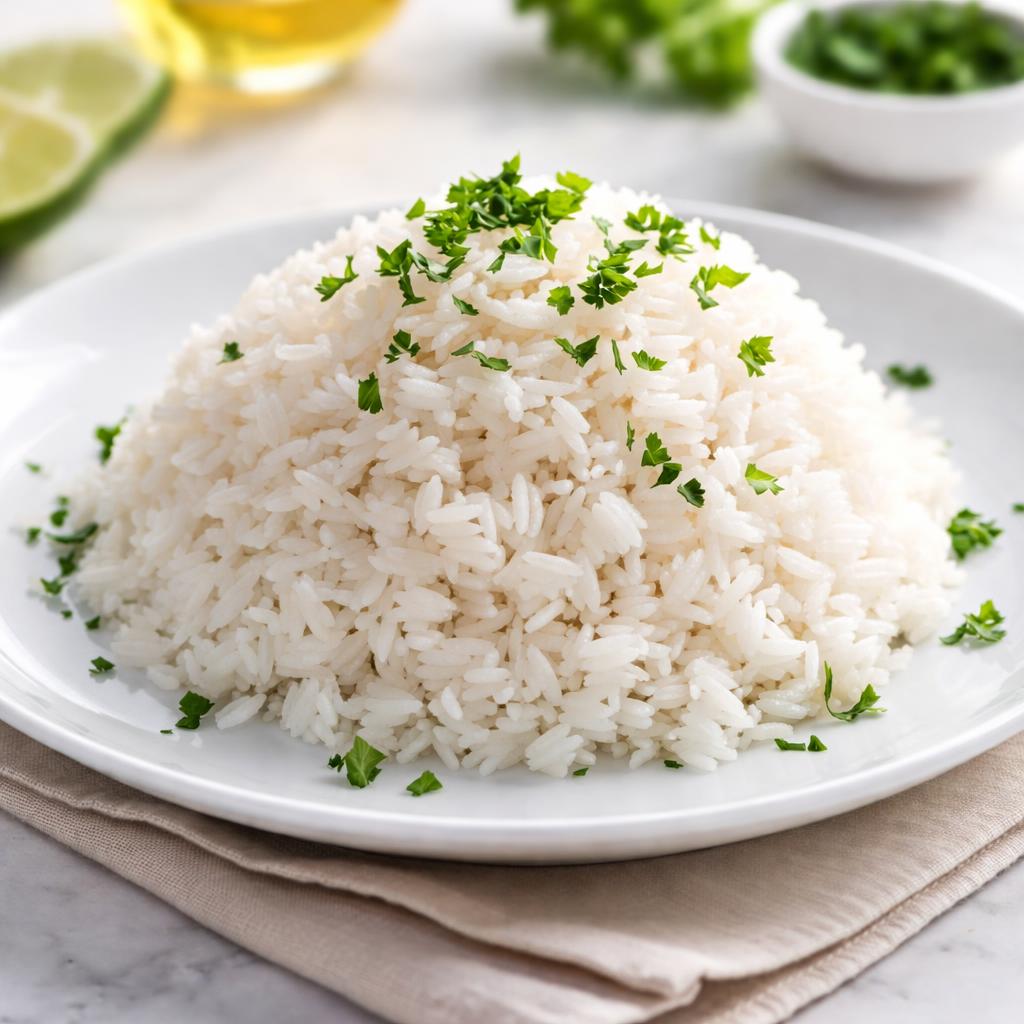
Rice
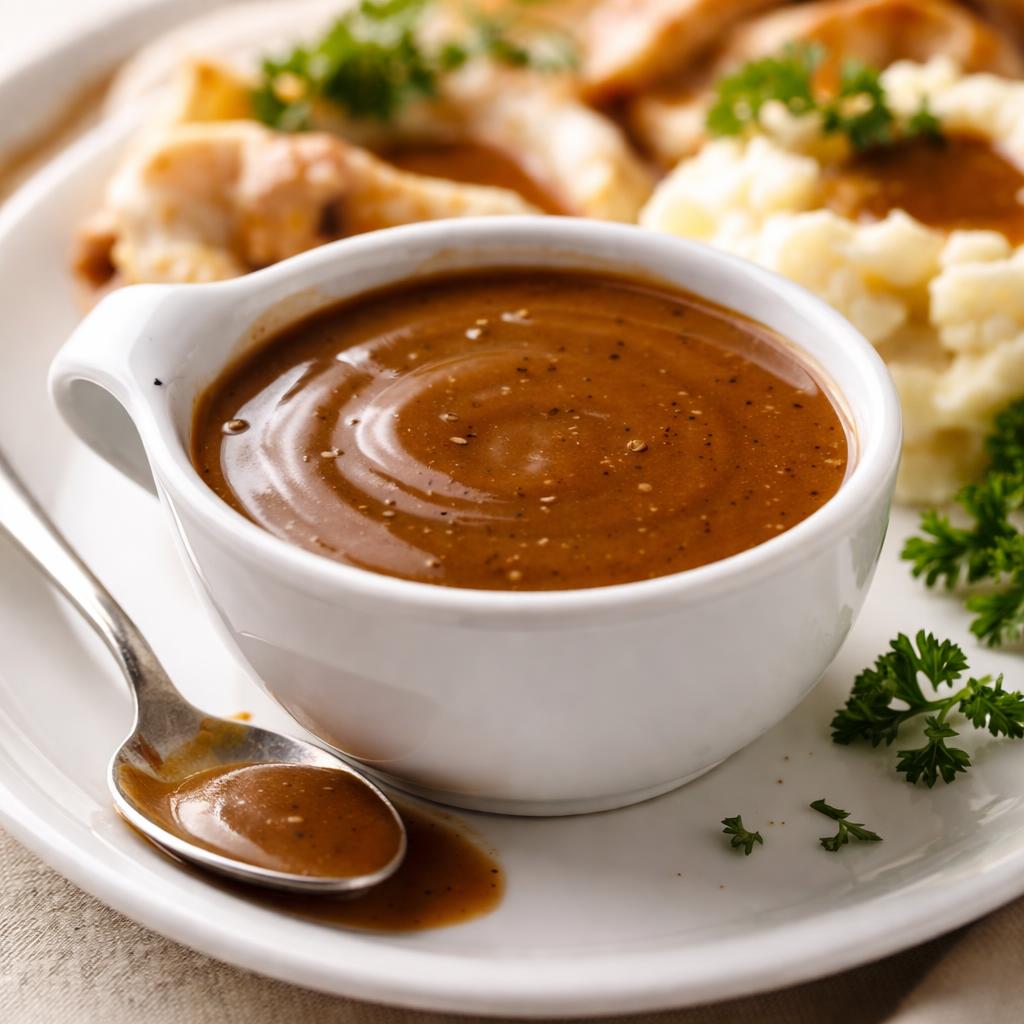
Brown Gravy
🎯 Quick Verdict
Rice is more nutritionally dense, offering fiber and a source of complex carbohydrates, while brown gravy is primarily a condiment with higher fat and sodium content. Rice is better suited for providing long-term energy, whereas brown gravy adds flavor without significant micronutrient benefits.

Smart Nutrition Tracking with SnapCalorie

📊 Nutritional Comparison
Macronutrients
| Nutrient | Food 1 | Food 2 | Winner |
|---|---|---|---|
| Calories | 150 per cup cooked | 25 per tablespoon | ✓ |
| Protein | 3g | 0.5g | − |
| Carbs | 35g | 4g | ✓ |
| Fat | 0.5g | 1g | ✓ |
| Fiber | 1g | 0g | ✓ |
Vitamins & Minerals
| Nutrient | Food 1 | Food 2 | Winner |
|---|---|---|---|
| Vitamin B1 (Thiamine) | 0.2mg | 0.01mg | ✓ |
| Vitamin B6 | 0.1mg | 0.01mg | ✓ |
| Iron | 0.4mg | 0.2mg | ✓ |
🏆 Category Winners
Protein
Both foods contain minimal protein—rice offers 3g, while brown gravy provides 0.5g per serving.
Fiber
Rice contains 1g of fiber per serving, while brown gravy has none.
Calories
Although food2 has fewer individual calories per serving (25 per tablespoon), rice provides better energy density and supports a nutritious diet.
🥗 Diet Compatibility
Keto
Food 1: Not Compatible
Food 2: Not Compatible
Both foods contain carbs, making them unsuitable for keto.
Vegan
Food 1: Compatible
Food 2: Maybe Compatible
Rice is naturally vegan, but brown gravy may contain animal fat or broths depending on preparation.
Gluten Free
Food 1: Compatible
Food 2: Maybe Compatible
Rice is gluten-free, but brown gravy may contain flour or thickeners with gluten.
Paleo
Food 1: Not Compatible
Food 2: Not Compatible
Rice and processed brown gravy are excluded from paleo due to their refined nature.
Low-Carb
Food 1: Not Compatible
Food 2: Compatible
Food1 has high carb content, while food2 is low-carb at 4g per serving.
💪 Health Benefits Comparison
Food 1 Benefits
- Provides long-lasting energy from complex carbohydrates
- Contains small amounts of iron and thiamine, beneficial for energy metabolism
- Low in fat, suitable for heart-healthy diets
Food 2 Benefits
- Adds flavor to meals, enhancing palatability
- Low-calorie option when portion-controlled
- Contains trace minerals that support general health
✅ The Bottom Line
Choose rice as a primary energy source for its higher nutritional density, fiber, and versatile culinary use. Opt for brown gravy sparingly as a flavor enhancer, particularly if you're watching calories or sodium intake.
Choose Food 1 for: Energy boosting meals, side dishes, high-carb diets
Choose Food 2 for: Flavor enhancement, low-calorie meal toppings, occasional use


