Rice VS Broccoli Salad
A detailed nutritional comparison
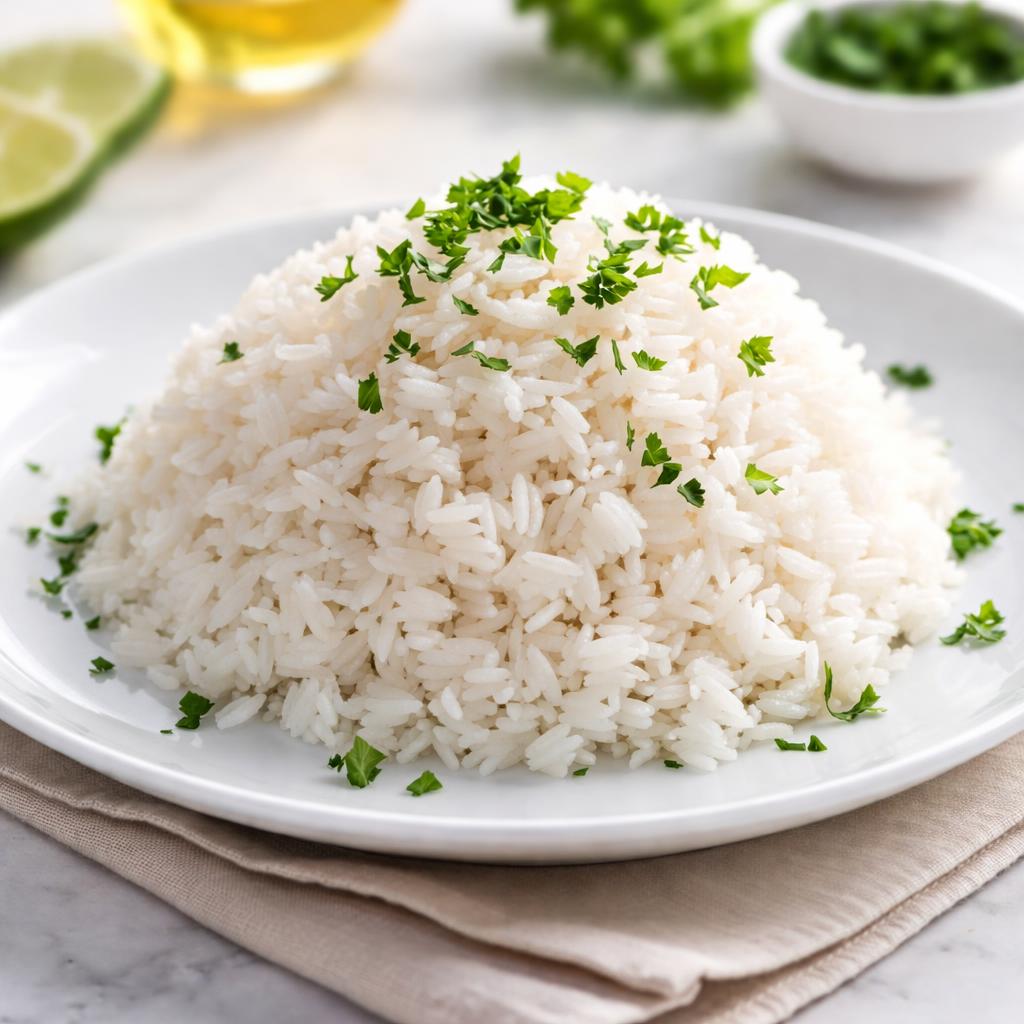
Rice
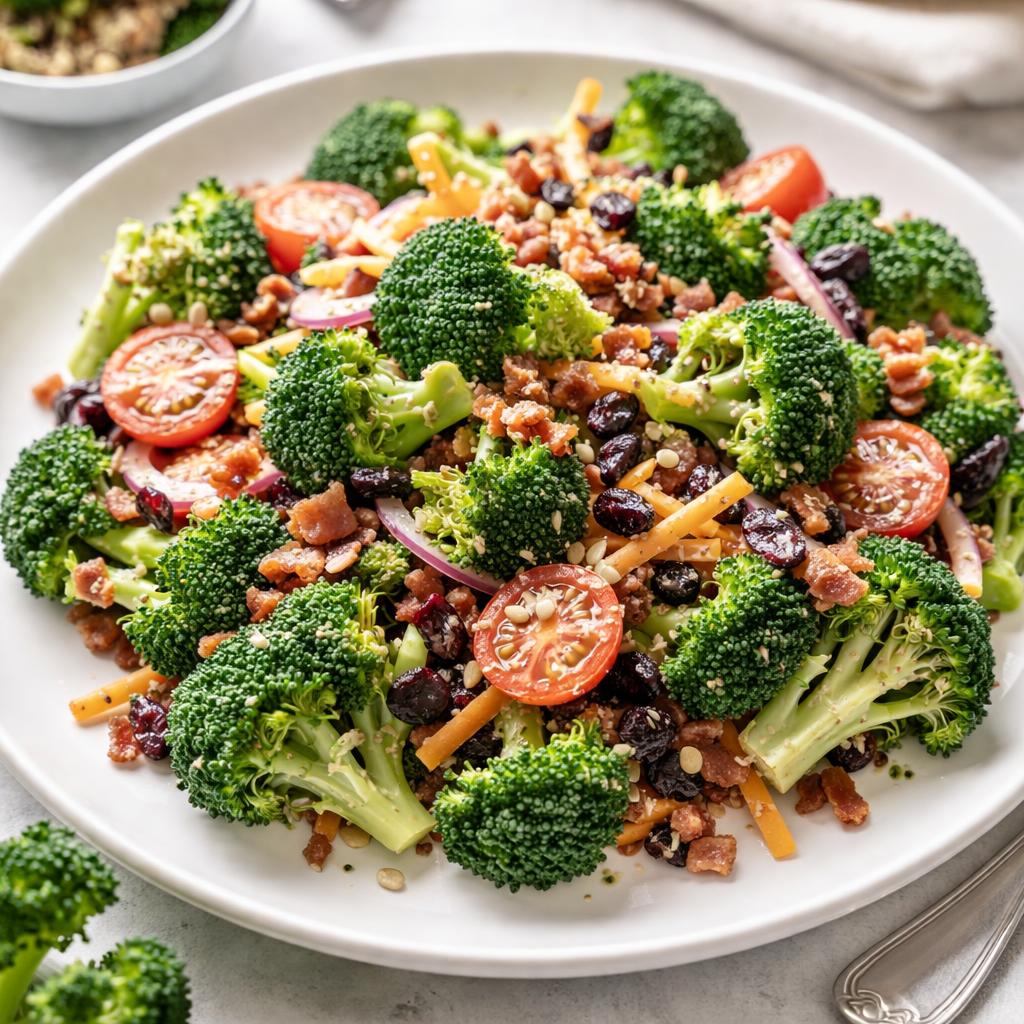
Broccoli Salad
🎯 Quick Verdict
Broccoli salad is significantly more nutrient-dense than rice, offering higher protein, fiber, and lower calories per serving. Rice, however, provides a quick source of energy due to its carbohydrate content. Broccoli salad is ideal for weight management and nutrient-rich meals, while rice suits energy replenishment and versatility in cuisine.

Smart Nutrition Tracking with SnapCalorie

📊 Nutritional Comparison
Macronutrients
| Nutrient | Food 1 | Food 2 | Winner |
|---|---|---|---|
| Calories | 130 (per 100g cooked) | 50 (per 100g) | ✓ |
| Protein | 2.7g | 3.9g | ✓ |
| Carbs | 28.2g | 10.3g | ✓ |
| Fat | 0.3g | 1.2g | ✓ |
| Fiber | 0.4g | 2.6g | ✓ |
Vitamins & Minerals
| Nutrient | Food 1 | Food 2 | Winner |
|---|---|---|---|
| Vitamin C | 0mg | 44mg (49% DV) | ✓ |
| Vitamin D | 0mcg | 0mcg | − |
| Calcium | 10mg | 48mg | ✓ |
| Iron | 0.2mg | 0.7mg | ✓ |
🏆 Category Winners
Protein
Broccoli salad has ~46% more protein per 100g than rice.
Fiber
Broccoli salad offers over 6 times more fiber than rice.
Calories
Broccoli salad has ~62% fewer calories per 100g than rice.
🥗 Diet Compatibility
Keto
Food 1: Not Compatible
Food 2: Weak Compatibility
Rice is high-carb; broccoli salad is moderate-carb but can fit low-carb goals.
Vegan
Food 1: Compatible
Food 2: Compatible
Both foods are fully plant-based.
Gluten Free
Food 1: Compatible
Food 2: Compatible
Neither contains gluten.
Paleo
Food 1: Compatible
Food 2: Compatible
Both fit paleo diet criteria.
Low Carb
Food 1: Not Compatible
Food 2: Compatible
Rice is high-carb, whereas broccoli salad is much lower in carbs.
💪 Health Benefits Comparison
Food 1 Benefits
- Quick source of energy due to high carbohydrate content
- Easy to digest for sensitive stomachs
- Versatile base for many meals
Food 2 Benefits
- Rich in antioxidants (including vitamin C) for immune health
- High in fiber for digestive health
- Low in calories, great for weight management
- Good source of calcium and other minerals
✅ The Bottom Line
Broccoli salad is a more nutrient-dense option with fewer calories, higher fiber, and better overall health benefits. Choose rice for energy replenishment during intense activity or when focusing on easily digestible carbs. Opt for broccoli salad to enhance nutrient intake, support digestion, and manage weight.
Choose Food 1 for: Energy replenishment, quick and versatile grain-based dishes
Choose Food 2 for: Weight management, nutrient-rich low-calorie meals, digestive support


