Rice VS Braised Beef
A detailed nutritional comparison
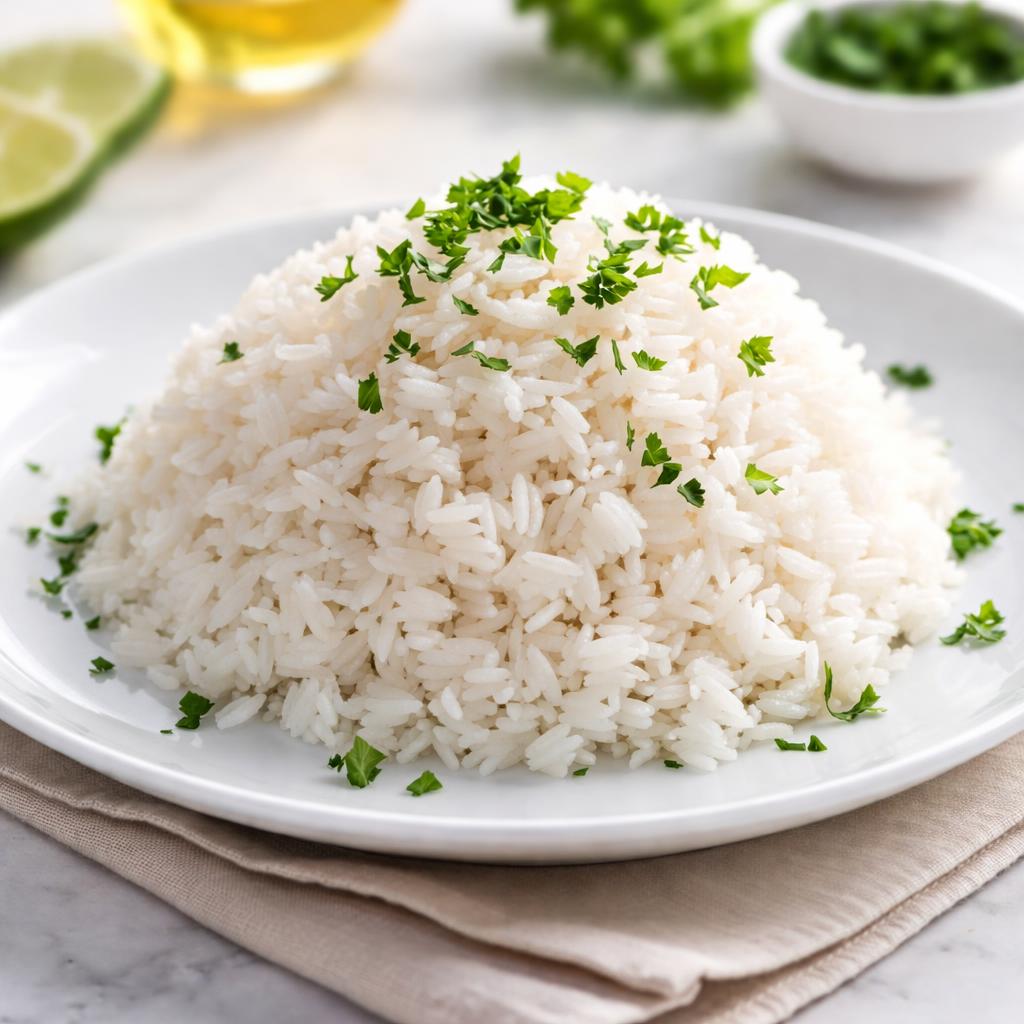
Rice
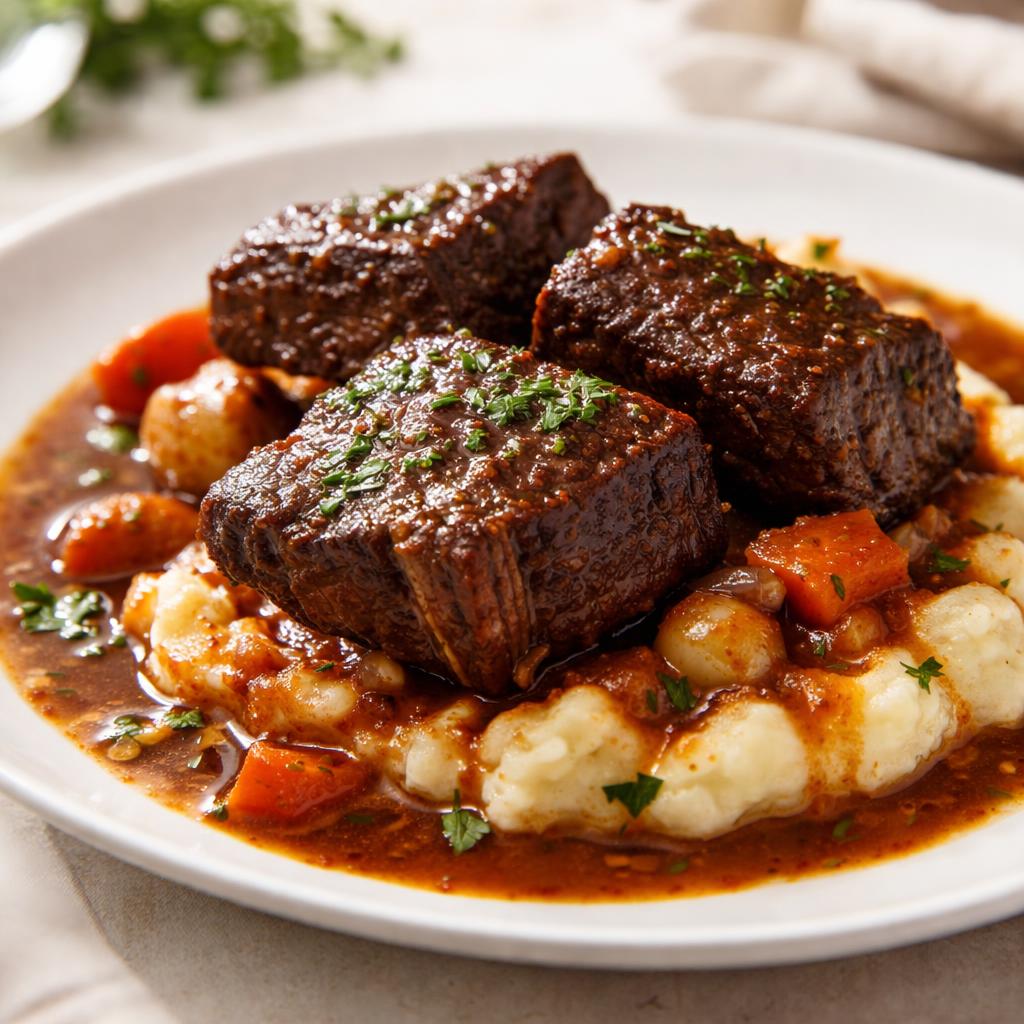
Braised Beef
🎯 Quick Verdict
Braised beef is significantly higher in protein and fat, making it ideal for muscle building and nutrient density. Rice, on the other hand, is lower in calories and contains more fiber and carbohydrates, making it a good energy source for quick fuel. Both foods serve different purposes depending on dietary needs: rice is ideal for carb-loading, and beef is best for high-protein diets or keto-friendly meals.

Smart Nutrition Tracking with SnapCalorie

📊 Nutritional Comparison
Macronutrients
| Nutrient | Food 1 | Food 2 | Winner |
|---|---|---|---|
| Calories | 130 | 250 | ✓ |
| Protein | 2.7g | 25g | ✓ |
| Carbs | 28g | 0g | ✓ |
| Fat | 0.3g | 10g | ✓ |
| Fiber | 0.3g | 0g | ✓ |
Vitamins & Minerals
| Nutrient | Food 1 | Food 2 | Winner |
|---|---|---|---|
| Vitamin B12 | 0mcg | 2.4mcg | ✓ |
| Iron | 0.2mg | 2.7mg | ✓ |
| Calcium | 10mg | 20mg | ✓ |
| Potassium | 35mg | 300mg | ✓ |
🏆 Category Winners
Protein
Braised beef contains nearly 10x the amount of protein as rice per serving.
Fiber
Rice contains a small amount of fiber whereas braised beef has none.
Calories
Rice has only half the calories of braised beef per serving.
Vitamins
Braised beef is richer in key vitamins such as Vitamin B12, iron, and potassium.
🥗 Diet Compatibility
Keto
Food 1: Not Compatible
Food 2: Compatible
Braised beef is low-carb and high-fat, ideal for keto diets.
Vegan
Food 1: Compatible
Food 2: Not Compatible
Rice is plant-based, while braised beef is meat-based.
Gluten Free
Food 1: Compatible
Food 2: Compatible
Neither food contains gluten.
Paleo
Food 1: Not Compatible
Food 2: Compatible
Braised beef fits paleo guidelines, while rice does not.
Low-Carb
Food 1: Not Compatible
Food 2: Compatible
Rice is carb-heavy, while braised beef has no carbohydrates.
💪 Health Benefits Comparison
Food 1 Benefits
- Provides quick energy through carbohydrates
- Low-calorie option for weight management
- Gluten-free and suitable for plant-based diets
Food 2 Benefits
- Excellent source of high-quality protein for muscle growth
- Rich in iron and Vitamin B12 for red blood cell formation
- Low-carb and keto-friendly, supporting fat metabolism
✅ The Bottom Line
Choose rice for energy on a plant-based or low-calorie diet, and opt for braised beef if protein goals, nutrient density, or a low-carb lifestyle are priorities. Both foods complement different dietary needs and can serve as part of a balanced meal.
Choose Food 1 for: Athletes needing quick energy, vegan or plant-based diets, low-calorie meal plans
Choose Food 2 for: Muscle building, keto or paleo diets, high-protein lifestyles


