Rice VS Beef Teriyaki
A detailed nutritional comparison
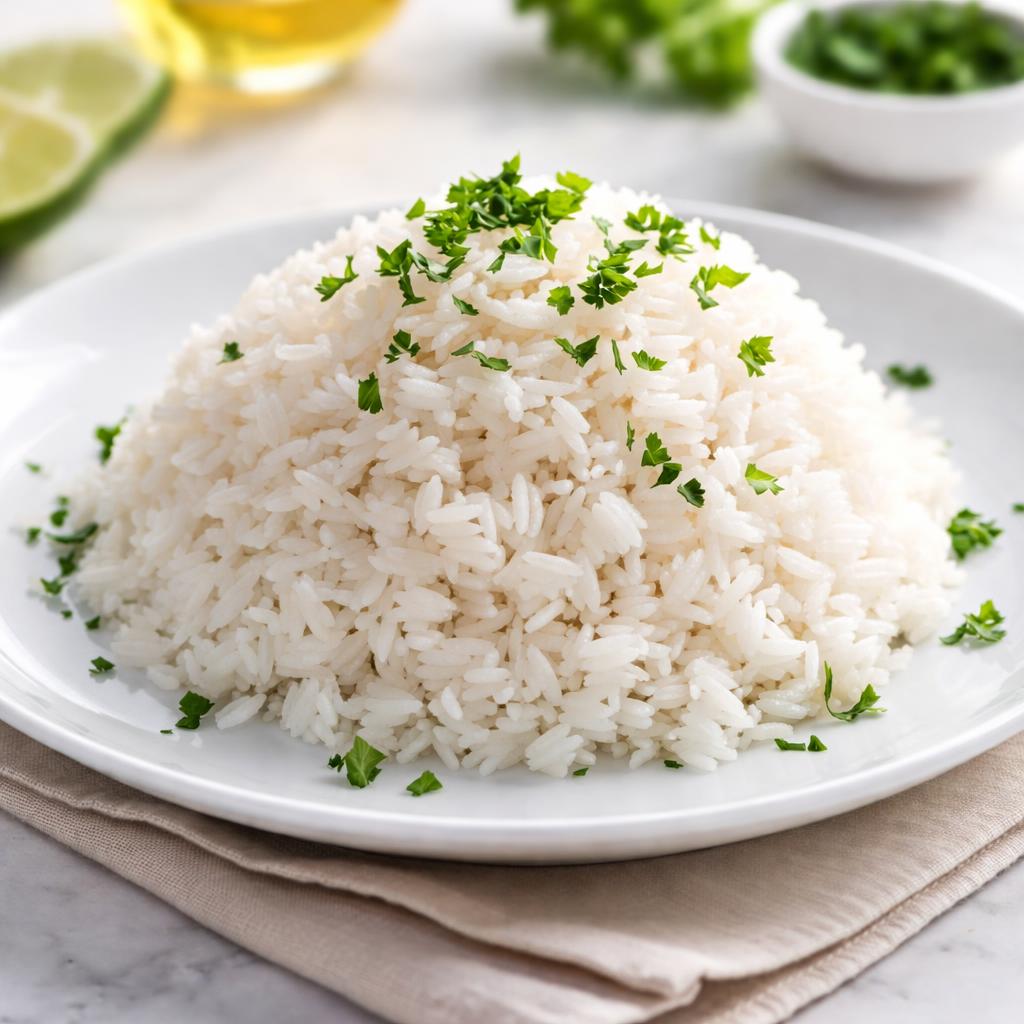
Rice
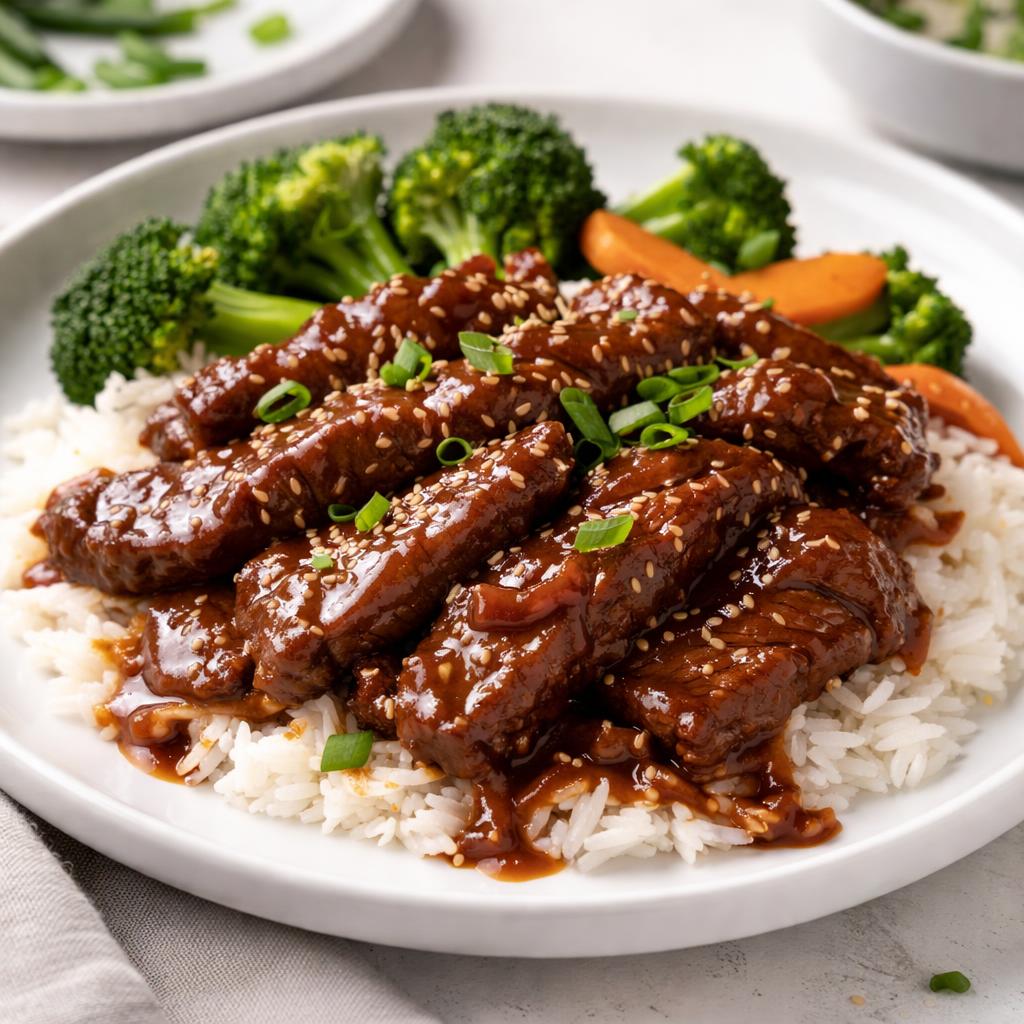
Beef Teriyaki
🎯 Quick Verdict
Rice is a simple carbohydrate source that offers low calories and more fiber per serving. Beef teriyaki provides far more protein, moderate calories, and additional nutrients such as iron and vitamin B12, making it a better option for muscle-building and nutrient density. Rice suits low-fat diets, while beef teriyaki is better for those seeking a high-protein meal option.

Smart Nutrition Tracking with SnapCalorie

📊 Nutritional Comparison
Macronutrients
| Nutrient | Food 1 | Food 2 | Winner |
|---|---|---|---|
| Calories | 206 per cup (cooked) | 265 per 3 oz serving | ✓ |
| Protein | 4.3g per cup (cooked) | 20g per 3 oz serving | ✓ |
| Carbs | 45g per cup (cooked) | 12g per 3 oz serving | ✓ |
| Fat | 0.4g per cup (cooked) | 7g per 3 oz serving | ✓ |
| Fiber | 0.6g per cup (cooked) | 0g | ✓ |
Vitamins & Minerals
| Nutrient | Food 1 | Food 2 | Winner |
|---|---|---|---|
| Vitamin B12 | 0mcg | 2.4mcg per serving | ✓ |
| Iron | 0.2mg per cup (cooked) | 2.2mg per serving | ✓ |
| Calcium | 9mg per cup (cooked) | 11mg per serving | ✓ |
🏆 Category Winners
Protein
Beef teriyaki contains nearly five times more protein compared to rice.
Fiber
Rice provides dietary fiber, while beef teriyaki lacks fiber entirely.
Calories
Rice contains 22% fewer calories per serving than beef teriyaki.
Vitamins
Beef teriyaki is rich in vitamin B12 and iron, making it nutritionally superior for vitamins.
🥗 Diet Compatibility
Keto
Food 1: Not Compatible
Food 2: Compatible
Beef teriyaki is low-carb, while rice is high-carb.
Vegan
Food 1: Compatible
Food 2: Not Compatible
Rice is plant-based; beef teriyaki contains animal products.
Gluten Free
Food 1: Compatible
Food 2: Depends
Rice is naturally gluten-free. Beef teriyaki may contain soy sauce, which might have gluten unless specified gluten-free.
Paleo
Food 1: Not Compatible
Food 2: Compatible
Beef teriyaki aligns with paleo principles; rice does not due to its grain-based nature.
Low Carb
Food 1: Not Compatible
Food 2: Compatible
Rice is high in carbohydrates, whereas beef teriyaki is low-carb.
💪 Health Benefits Comparison
Food 1 Benefits
- Low in fat, ideal for weight management
- Provides a quick source of energy from carbohydrates
- Gives moderate dietary fiber for digestion
Food 2 Benefits
- High in protein, supporting muscle maintenance
- Good source of iron for healthy blood oxygen levels
- Rich in vitamin B12, helping nerve and red blood cell function
✅ The Bottom Line
Choose rice for low-calorie meal prep, quick energy, or plant-based diets. Opt for beef teriyaki if you are prioritizing protein, essential vitamins, and iron for muscle-building or balanced nutrient intake.
Choose Food 1 for: Low-fat diets, quick energy, plant-based eating
Choose Food 2 for: High-protein diets, muscle gain, and nutrient density


