Rice VS Beef
A detailed nutritional comparison
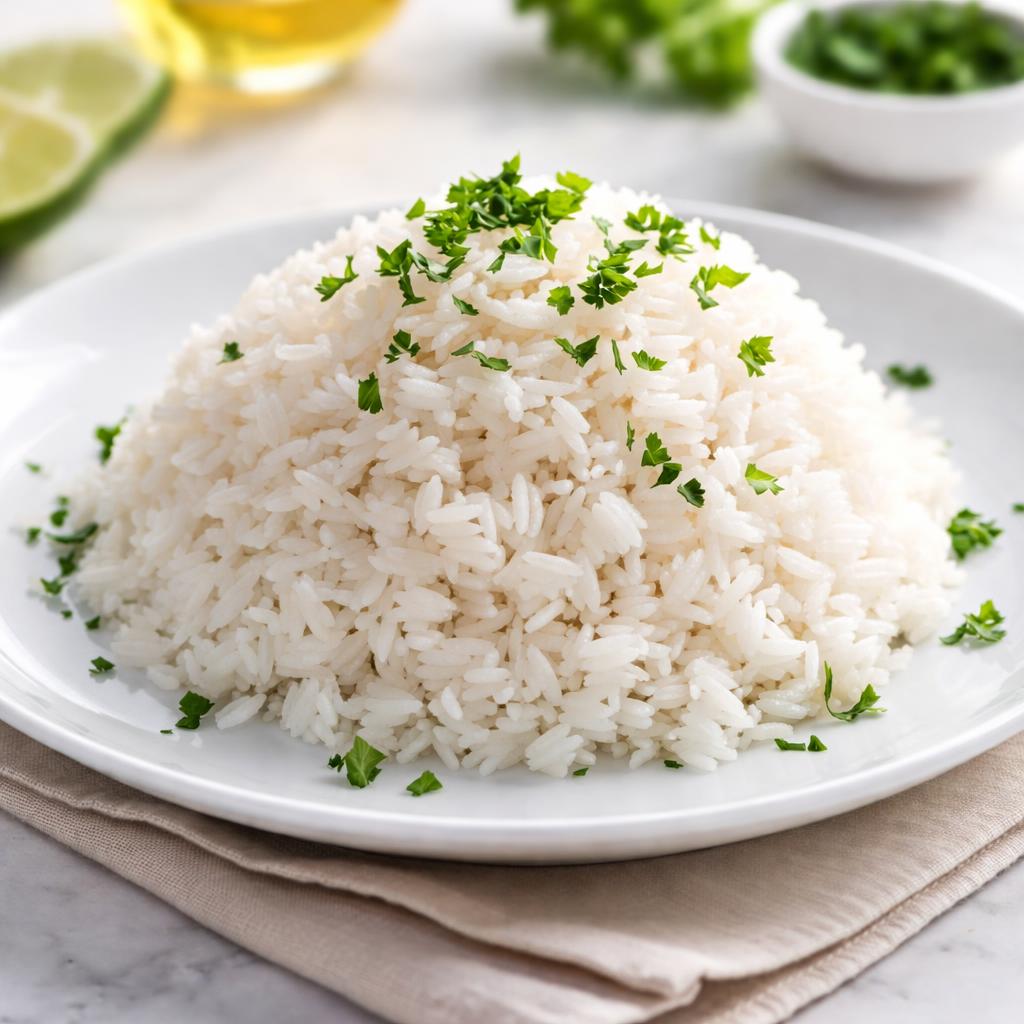
Rice
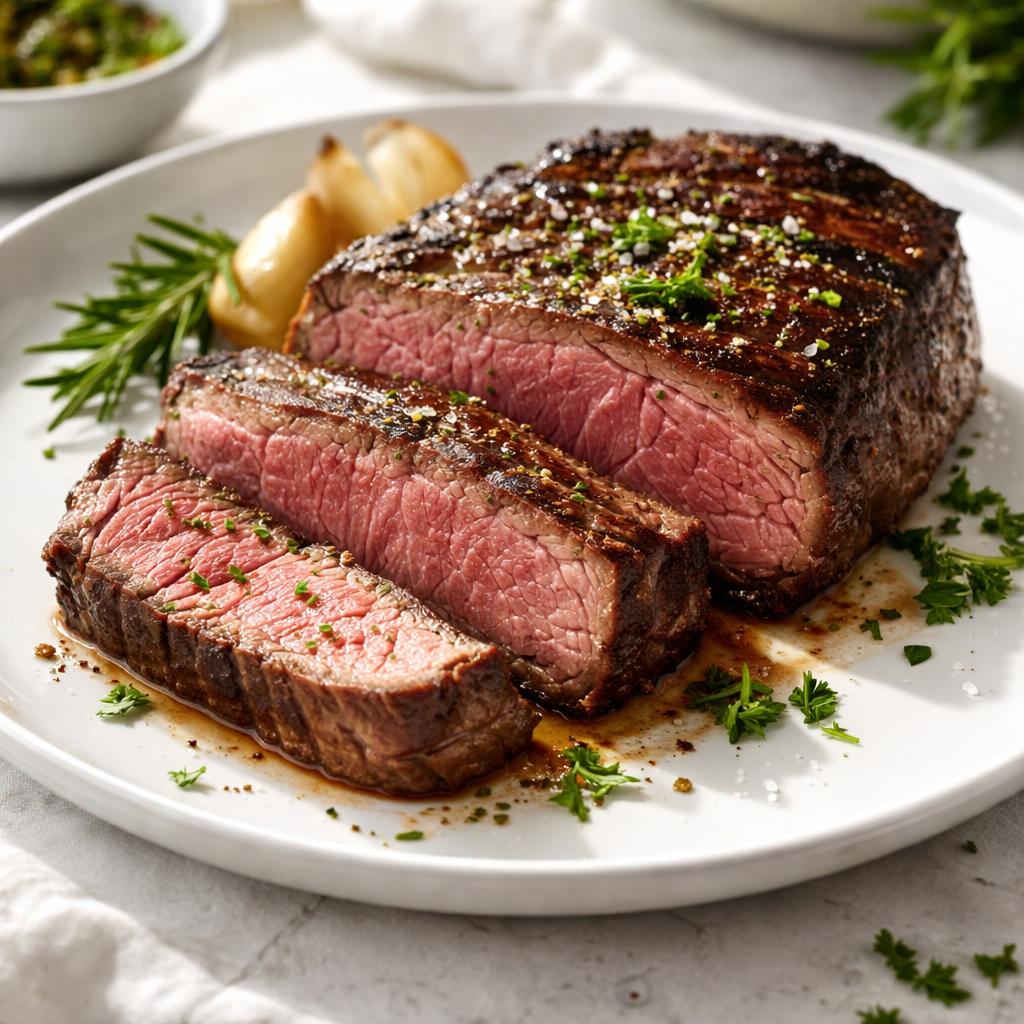
Beef
🎯 Quick Verdict
Rice is high in carbohydrates and provides more fiber, making it better for sustained energy and digestive health. Beef is rich in protein and essential minerals, making it ideal for muscle building and overall nourishment. Both offer unique benefits and complement different dietary goals.

Smart Nutrition Tracking with SnapCalorie

📊 Nutritional Comparison
Macronutrients
| Nutrient | Food 1 | Food 2 | Winner |
|---|---|---|---|
| Calories | 205 calories per 1 cup (cooked) | 250 calories per 4 oz (cooked) | ✓ |
| Protein | 4.3g | 26g | ✓ |
| Carbs | 45g | 0g | ✓ |
| Fat | 0.5g | 20g | ✓ |
| Fiber | 0.6g | 0g | ✓ |
Vitamins & Minerals
| Nutrient | Food 1 | Food 2 | Winner |
|---|---|---|---|
| Vitamin B12 | 0mcg | 2.4mcg | ✓ |
| Iron | 0.6mg | 2.7mg | ✓ |
| Magnesium | 13mg | 20mg | ✓ |
| Vitamin D | 0mcg | 0.1mcg | ✓ |
🏆 Category Winners
Protein
Beef is significantly higher in protein, with 26g per serving versus only 4.3g in rice.
Fiber
Rice contains dietary fiber, whereas beef has none.
Calories
Beef provides fewer calories per gram despite its richness in protein and fat.
Vitamins
Beef contains vital nutrients like Vitamin B12 and iron, which are absent or minimal in rice.
🥗 Diet Compatibility
Keto
Food 1: Not Compatible
Food 2: Compatible
Rice is high-carb, while beef is exclusively protein and fats.
Vegan
Food 1: Compatible
Food 2: Not Compatible
Rice is plant-based; beef is animal-derived.
Gluten Free
Food 1: Compatible
Food 2: Compatible
Neither food contains gluten.
Paleo
Food 1: Not Compatible
Food 2: Compatible
Beef aligns with paleo guidelines; rice does not.
Low Carb
Food 1: Not Compatible
Food 2: Compatible
Rice is high-carb, unsuitable for low-carb diets; beef is appropriate.
💪 Health Benefits Comparison
Food 1 Benefits
- Provides sustained energy due to high carbohydrate content
- Contains small amounts of fiber, supporting digestive health
- Low in fat, suitable for low-fat diets
Food 2 Benefits
- Rich in high-quality protein for muscle maintenance and growth
- Excellent source of essential nutrients like iron and B12
- Contains healthy fats for energy and cell function
✅ The Bottom Line
Choose rice as a staple for energy in high-carb diets due to its fiber content and nutrient density. Opt for beef in high-protein, low-carb diets for muscle building and essential mineral support. These foods complement each other when combined in balanced meals.
Choose Food 1 for: Athletes needing energy, vegan diets, digestive health
Choose Food 2 for: Muscle-building, keto and paleo diets, combating nutrient deficiencies


