Rice VS Banana
A detailed nutritional comparison
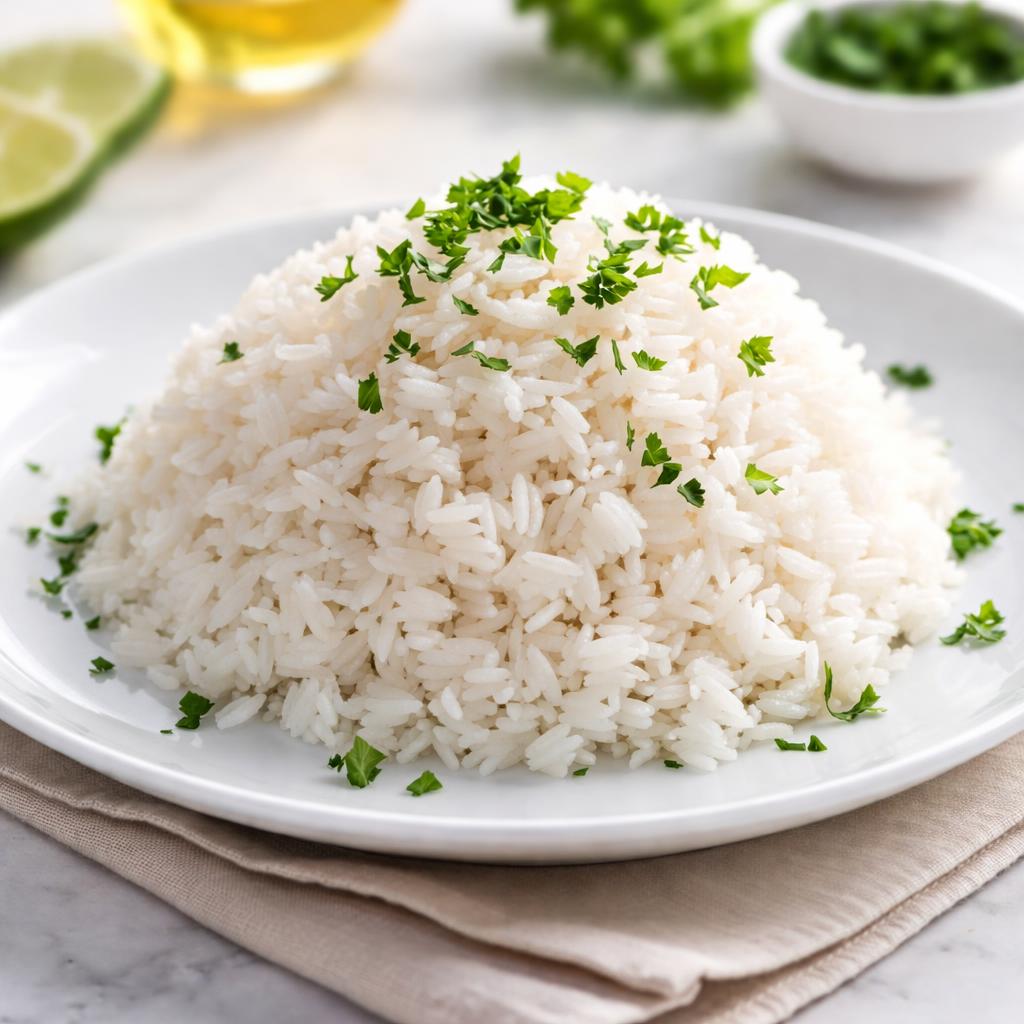
Rice
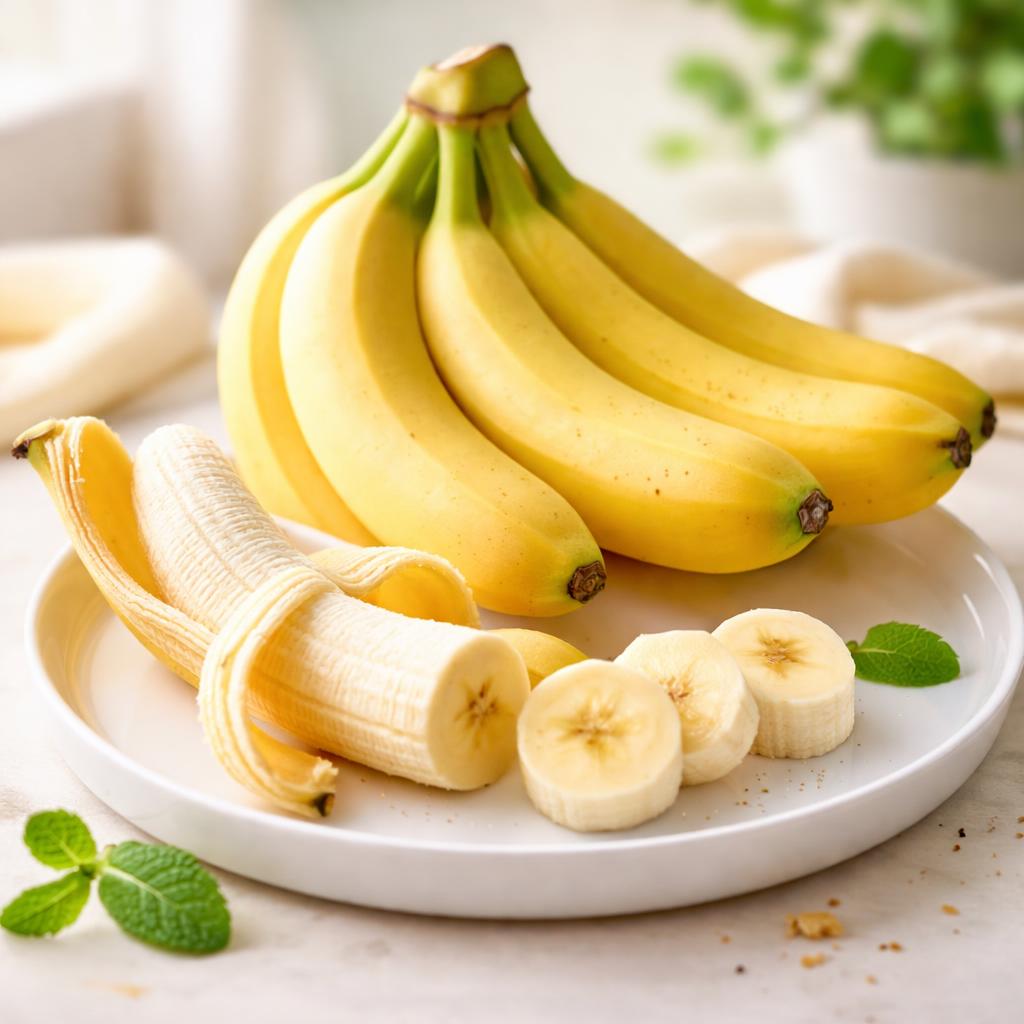
Banana
🎯 Quick Verdict
Rice is a higher-protein, low-fat grain primarily used as a versatile staple to support energy needs, while bananas offer fewer calories, more fiber, and a rich source of potassium, ideal for quick snacks or sustained energy. The choice depends on whether you need a calorie-dense base (rice) or a nutrient-packed fruit (banana).

Smart Nutrition Tracking with SnapCalorie

📊 Nutritional Comparison
Macronutrients
| Nutrient | Food 1 | Food 2 | Winner |
|---|---|---|---|
| Calories | 206 (1 cup cooked) | 105 (1 medium) | ✓ |
| Protein | 4.3g | 1.3g | ✓ |
| Carbs | 44.5g | 27g | ✓ |
| Fat | 0.4g | 0.3g | − |
| Fiber | 0.6g | 3.1g | ✓ |
Vitamins & Minerals
| Nutrient | Food 1 | Food 2 | Winner |
|---|---|---|---|
| Vitamin C | 0mg | 10mg (11% DV) | ✓ |
| Vitamin B6 | 0.1mg | 0.4mg (33% DV) | ✓ |
| Potassium | 55mg | 422mg (12% DV) | ✓ |
🏆 Category Winners
Protein
Rice provides more than 3 times the protein per serving compared to a banana.
Fiber
Banana contains over 5 times more fiber, supporting digestive health.
Calories
Banana has about half the calories of a cup of cooked rice.
Vitamins
Bananas are rich in vitamin C, B6, and potassium, which rice lacks substantially.
🥗 Diet Compatibility
Keto
Food 1: Not Compatible
Food 2: Not Compatible
Both are too high in carbs for a keto diet.
Vegan
Food 1: Compatible
Food 2: Compatible
Both are inherently plant-based and vegan-friendly.
Gluten Free
Food 1: Compatible
Food 2: Compatible
Neither rice nor banana contains gluten.
Paleo
Food 1: Not Compatible
Food 2: Compatible
Bananas are paleo-friendly as natural fruit, but rice is not included in strict paleo diets.
Low Carb
Food 1: Not Compatible
Food 2: Not Compatible
Both rice and banana are carb-dense foods.
💪 Health Benefits Comparison
Food 1 Benefits
- Good source of energy for active lifestyles
- Low-fat option for weight management
- Versatile base for a variety of meals
Food 2 Benefits
- High in potassium for heart and muscle health
- Contains fiber to support digestive regularity
- Rich in vitamin C for immune system support
✅ The Bottom Line
Both rice and bananas have important roles depending on dietary needs. Choose rice for a calorie-dense, protein-boosting base, and opt for bananas as a quick, nutrient-rich snack for fiber and energy. Use rice for meals requiring long-term energy, and bananas for on-the-go fueling or natural sweetness in smoothies.
Choose Food 1 for: Energy-intensive meals, post-workout carb replenishment, versatile cooking
Choose Food 2 for: Heart health, quick snacks, sustained energy with fewer calories


