Rice VS Balsamic Vinegar
A detailed nutritional comparison

Rice
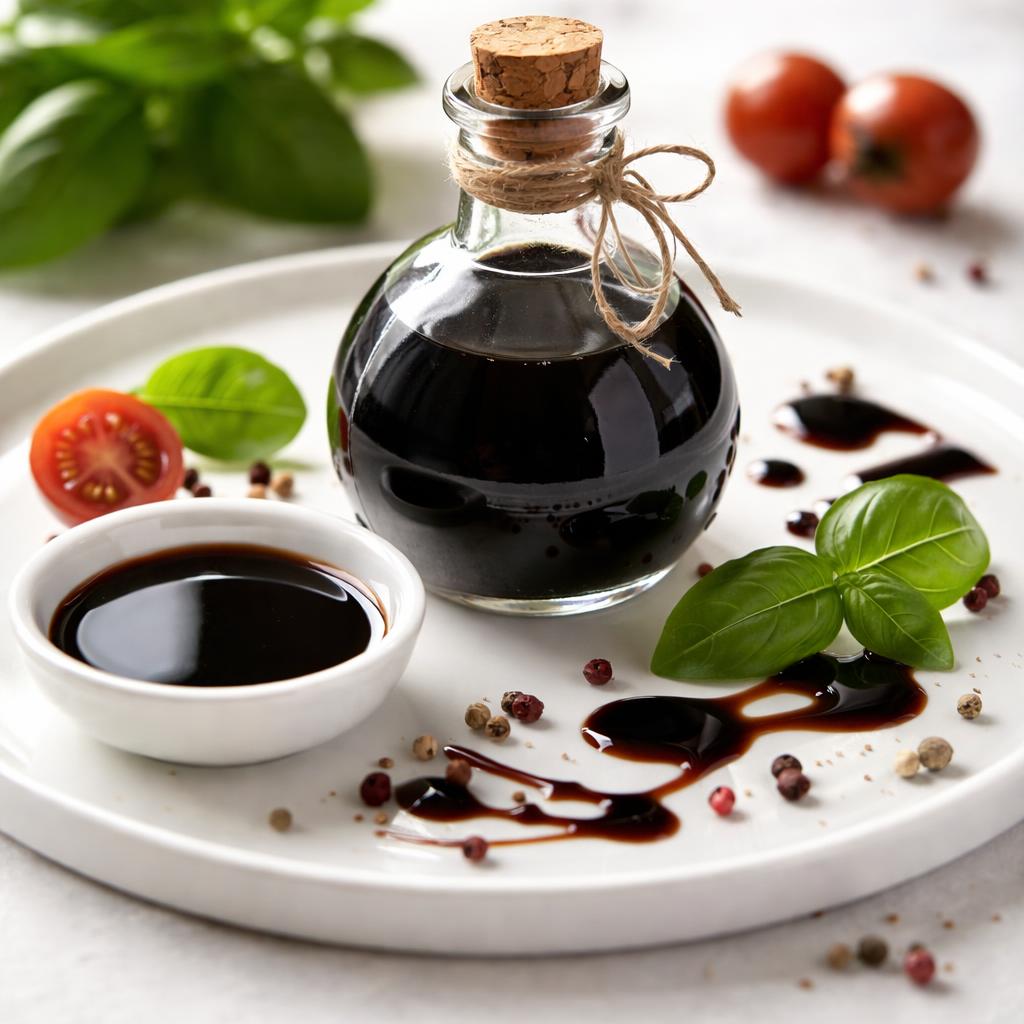
Balsamic Vinegar
🎯 Quick Verdict
Rice is a carbohydrate staple with higher calories and energy content, making it suitable for sustaining energy and athletic performance. On the other hand, balsamic vinegar is low in calories and rich in beneficial compounds like antioxidants, but contributes minimal macronutrients and fiber. Both foods serve different purposes in a diet, with rice ideal for meal bases and balsamic vinegar typically used as a condiment or dressing for added flavor and health benefits.

Smart Nutrition Tracking with SnapCalorie

📊 Nutritional Comparison
Macronutrients
| Nutrient | Food 1 | Food 2 | Winner |
|---|---|---|---|
| Calories | 130 (1/2 cup cooked) | 14 (1 tbsp) | ✓ |
| Protein | 2.7g | 0.1g | − |
| Carbs | 28g | 2.7g | ✓ |
| Fat | 0.3g | 0g | ✓ |
| Fiber | 0.5g | 0.7g | ✓ |
Vitamins & Minerals
| Nutrient | Food 1 | Food 2 | Winner |
|---|---|---|---|
| Vitamin D | 0mcg | 0mcg | − |
| Calcium | 10mg | 4mg | ✓ |
| Iron | 0.2mg | 0mg | ✓ |
🏆 Category Winners
Protein
Rice offers a small amount of protein, but balsamic vinegar offers almost none.
Fiber
Balsamic vinegar contains more fiber per serving despite its low calorie content.
Calories
Balsamic vinegar has significantly lower calorie content, ideal for calorie-conscious diets.
Vitamins
Rice provides slightly more calcium and iron per serving.
🥗 Diet Compatibility
Keto
Food 1: Not Compatible
Food 2: Compatible
Balsamic vinegar is low-carb (2.7g per tbsp), while rice is high-carb (28g per serving).
Vegan
Food 1: Compatible
Food 2: Compatible
Both rice and balsamic vinegar are plant-based and vegan-friendly.
Gluten Free
Food 1: Compatible
Food 2: Compatible
Neither rice nor balsamic vinegar contain gluten.
Paleo
Food 1: Compatible
Food 2: Compatible
Both are compatible under paleo principles, supporting natural food sources.
Low Carb
Food 1: Not Compatible
Food 2: Compatible
Rice is high in carbs, whereas balsamic vinegar is considered low-carb.
💪 Health Benefits Comparison
Food 1 Benefits
- Provides sustained energy due to high carbohydrate content.
- Contains small amounts of protein for muscle repair.
- Supports digestion with a modest dose of fiber.
Food 2 Benefits
- Low-calorie option for heart health and weight management.
- Rich in antioxidants that help combat cell damage.
- Contains acetic acid, which may support digestion and blood sugar regulation.
✅ The Bottom Line
Rice is best for meals requiring a carb base, ideal for athletes or active individuals who need energy and endurance. Balsamic vinegar is better as a condiment, offering antioxidants and very few calories, making it suitable for calorie-conscious diets or enhancing the flavor of salads and vegetables.
Choose Food 1 for: Energy-demanding activities, meal base, carbohydrate-rich diets.
Choose Food 2 for: Flavor enhancement, weight management, heart health.


