Rice VS Baked Fish
A detailed nutritional comparison
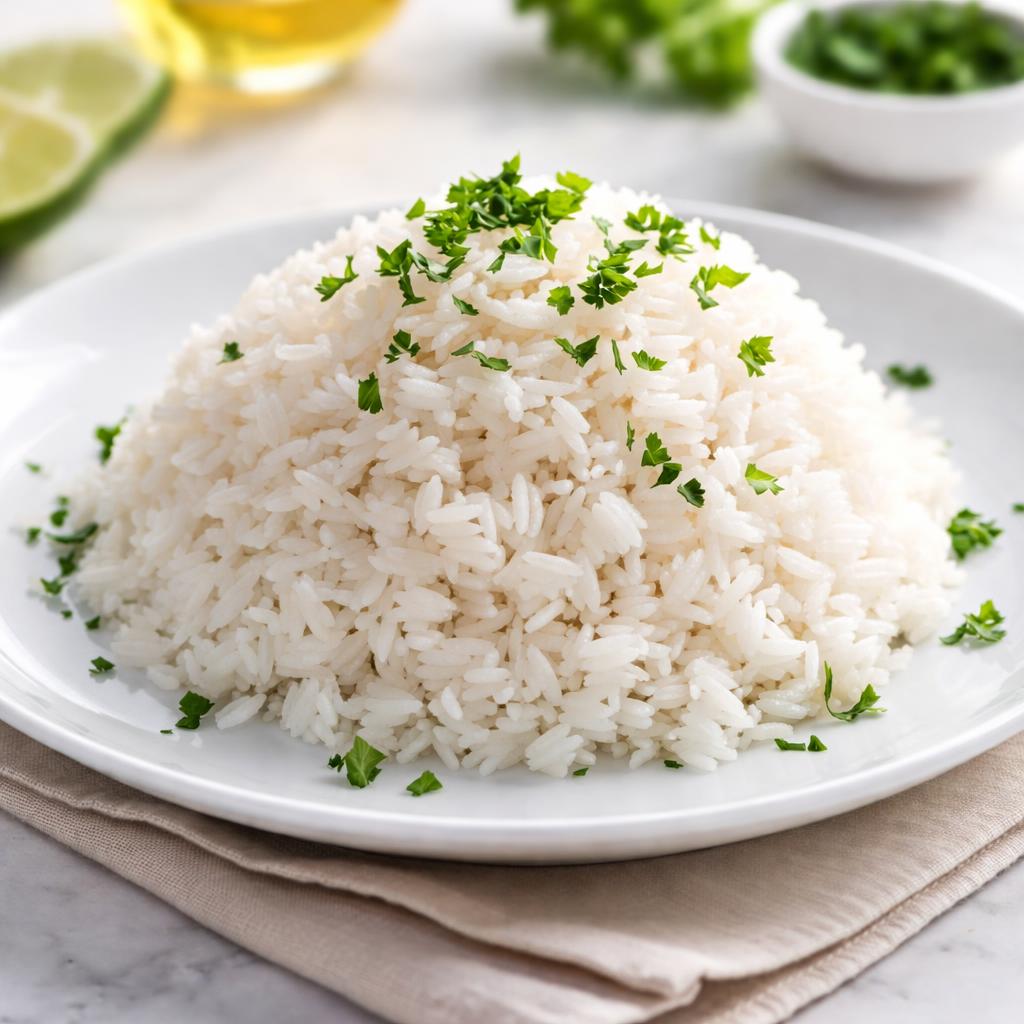
Rice
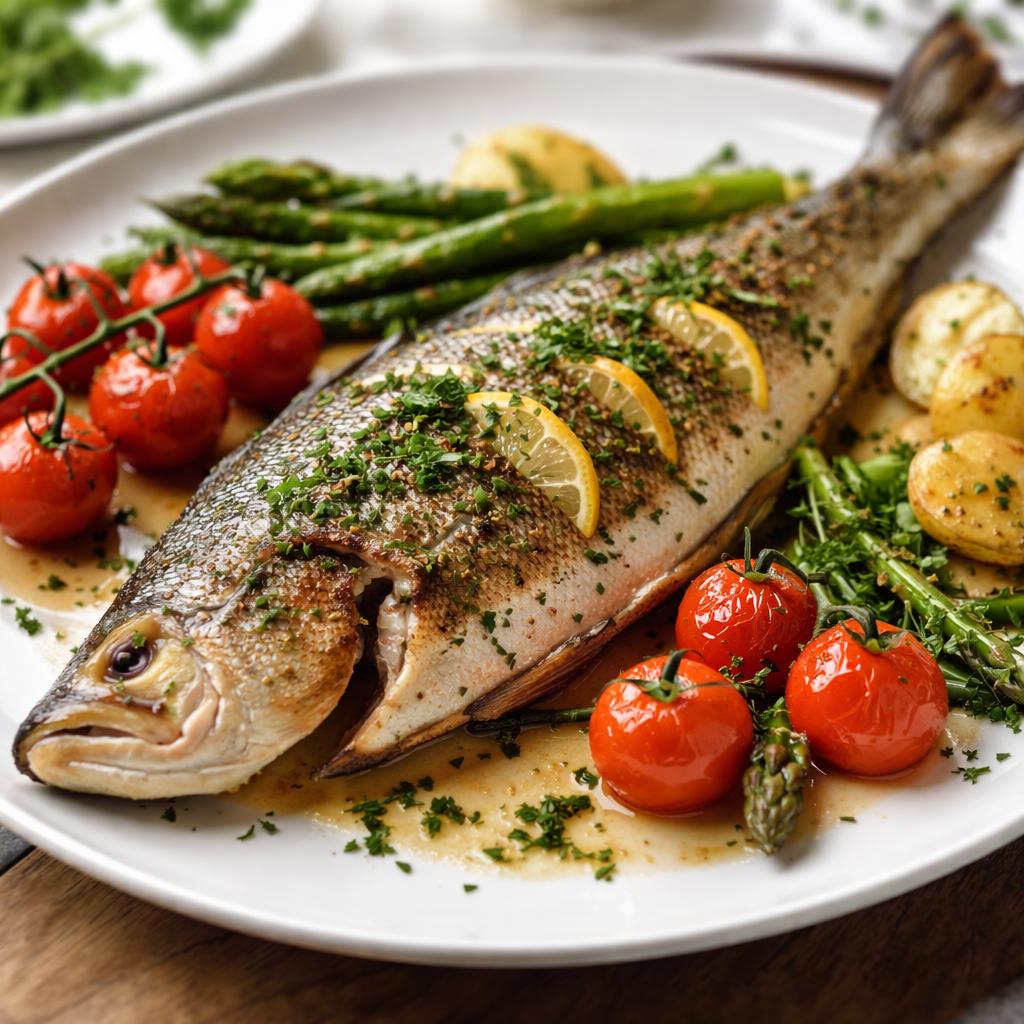
Baked Fish
🎯 Quick Verdict
Baked fish is significantly higher in protein (22g vs 2.6g per 100g) and contains fewer calories (120 vs 130 per 100g) while offering essential omega-3 fats. Rice shines in its fiber content (0.4g vs negligible), supporting digestion, and provides a good source of carbs for energy. Choose baked fish for a protein boost and rice as an energy source or side dish for balanced meals.

Smart Nutrition Tracking with SnapCalorie

📊 Nutritional Comparison
Macronutrients
| Nutrient | Food 1 | Food 2 | Winner |
|---|---|---|---|
| Calories | 130 | 120 | ✓ |
| Protein | 2.6g | 22g | ✓ |
| Carbs | 28g | 0g | ✓ |
| Fat | 0.3g | 5g | ✓ |
| Fiber | 0.4g | 0g | ✓ |
Vitamins & Minerals
| Nutrient | Food 1 | Food 2 | Winner |
|---|---|---|---|
| Vitamin D | 0mcg | 6mcg | ✓ |
| Calcium | 10mg | 15mg | ✓ |
| Iron | 0.2mg | 0.6mg | ✓ |
🏆 Category Winners
Protein
Baked fish has nearly 8 times more protein per serving than rice, making it ideal for muscle growth and repair.
Fiber
Rice contains a small amount of fiber compared to baked fish, which has none.
Calories
Baked fish is slightly lower in calories per serving compared to rice.
Vitamins
Baked fish provides higher levels of vitamin D, calcium, and iron per serving than rice.
🥗 Diet Compatibility
Keto
Food 1: Not Compatible
Food 2: Compatible
Baked fish is low-carb, while rice is high in carbs.
Vegan
Food 1: Compatible
Food 2: Not Compatible
Rice is plant-based, while baked fish is animal-derived.
Gluten Free
Food 1: Compatible
Food 2: Compatible
Neither food contains gluten.
Paleo
Food 1: Not Compatible
Food 2: Compatible
Baked fish is compliant with paleo principles; rice is generally excluded due to its grain profile.
Low-Carb
Food 1: Not Compatible
Food 2: Compatible
Rice is high in carbs, while baked fish contains no carbs.
💪 Health Benefits Comparison
Food 1 Benefits
- Provides quick energy due to high carbohydrate content
- Supports digestion with small amounts of fiber
- Low in fat for lighter meals
Food 2 Benefits
- Rich in protein for muscle maintenance and repair
- Provides omega-3 fatty acids for heart and brain health
- High in vitamin D to support bone health
✅ The Bottom Line
Choose baked fish for protein, heart-healthy fats, and overall nutrient density, making it ideal for low-carb and balanced diets. Rice is a great option for quick energy and lighter side dishes, suitable for plant-based meals or high-carb diets.
Choose Food 1 for: Energy boosts, vegan dishes, carb-loading
Choose Food 2 for: Muscle building, low-carb diets, heart and brain health


