Rice VS Baby Back Ribs
A detailed nutritional comparison
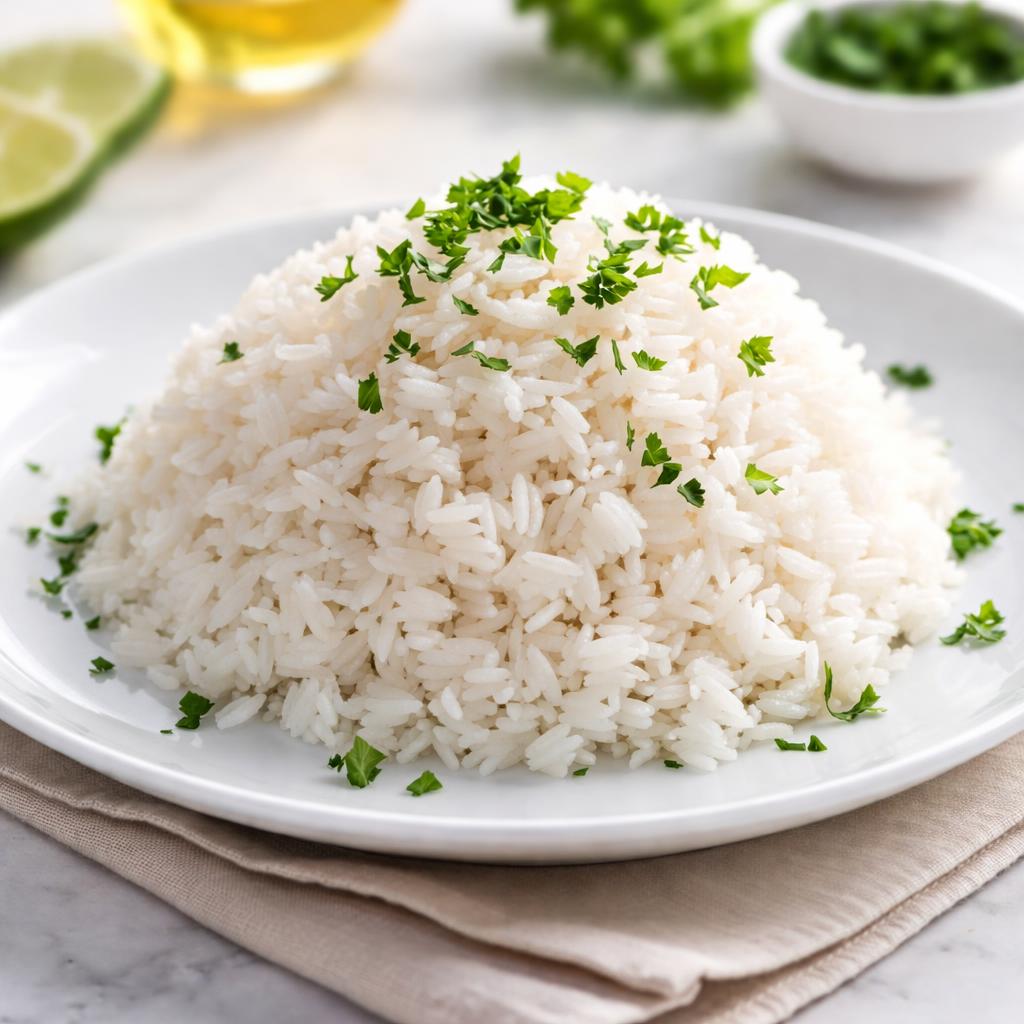
Rice
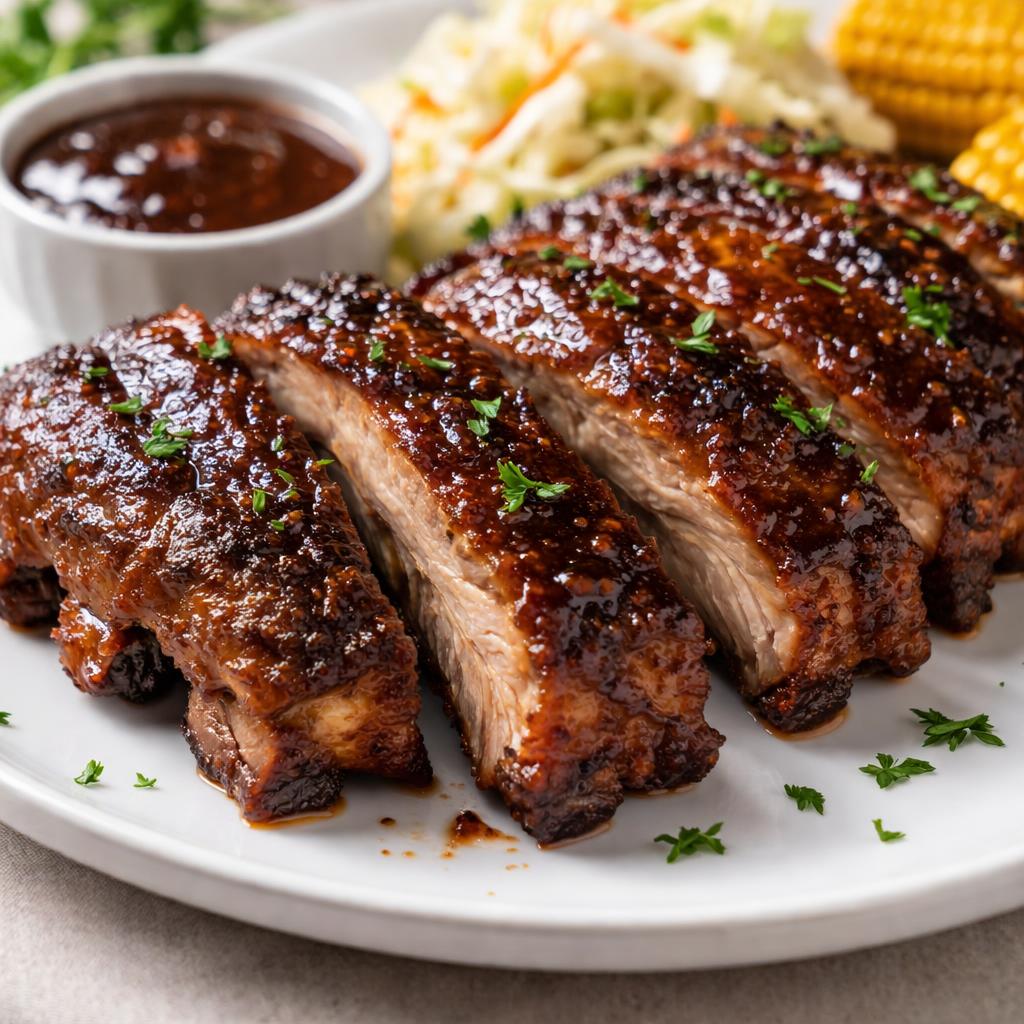
Baby Back Ribs
🎯 Quick Verdict
Rice and baby back ribs offer vastly different nutritional profiles. Rice is lower in calories and provides more fiber and carbohydrates, making it ideal for energy and digestion. Baby back ribs are much higher in protein and fat, perfect for muscle recovery and satiety but with a calorie trade-off. Choose rice for a light side option and ribs for protein-rich indulgence.

Smart Nutrition Tracking with SnapCalorie

📊 Nutritional Comparison
Macronutrients
| Nutrient | Food 1 | Food 2 | Winner |
|---|---|---|---|
| Calories | 206 per cup cooked | 484 per 100g | ✓ |
| Protein | 4.3g per cup cooked | 24g per 100g | ✓ |
| Carbs | 45g per cup cooked | 0g per 100g | ✓ |
| Fat | 0.4g per cup cooked | 28g per 100g | ✓ |
| Fiber | 0.6g per cup cooked | 0g per 100g | ✓ |
Vitamins & Minerals
| Nutrient | Food 1 | Food 2 | Winner |
|---|---|---|---|
| Vitamin D | 0mcg | 1mcg per 100g | ✓ |
| Calcium | 2mg per cup cooked | 11mg per 100g | ✓ |
| Iron | 1mg per cup cooked | 2.4mg per 100g | ✓ |
🏆 Category Winners
Protein
Baby back ribs provide nearly 6x more protein than rice per serving.
Fiber
Rice contains fiber while baby back ribs do not.
Calories
Rice has less than half the calories of baby back ribs when compared by serving.
Vitamins
Baby back ribs offer higher levels of calcium, iron, and vitamin D.
🥗 Diet Compatibility
Keto
Food 1: Not Compatible
Food 2: Compatible
Baby back ribs are low-carb, suitable for keto diets.
Vegan
Food 1: Compatible
Food 2: Not Compatible
Rice is plant-based, while ribs are animal-derived.
Gluten Free
Food 1: Compatible
Food 2: Compatible
Neither food contains gluten.
Paleo
Food 1: Not Compatible
Food 2: Compatible
Only ribs align with Paleo guidelines due to low processing.
Low-Carb
Food 1: Not Compatible
Food 2: Compatible
Ribs contain no carbohydrates, while rice is carb-heavy.
💪 Health Benefits Comparison
Food 1 Benefits
- Provides sustained energy through complex carbohydrates
- Low in fat, suitable for calorie-controlled diets
- Offers small amounts of fiber for digestion
Food 2 Benefits
- Rich in protein for muscle growth and repair
- Contains essential vitamins and minerals like iron and calcium
- Provides satiety through fats and supports energy for active lifestyles
✅ The Bottom Line
Choose rice when seeking a low-calorie, carb-rich source of energy or a vegan-compatible side dish. Opt for baby back ribs for protein-heavy meals, keto or Paleo diets, or post-workout muscle recovery.
Choose Food 1 for: Light meals, vegan diets, digestion support
Choose Food 2 for: Protein-rich diets, keto meals, building muscle


