Rice VS Almonds
A detailed nutritional comparison
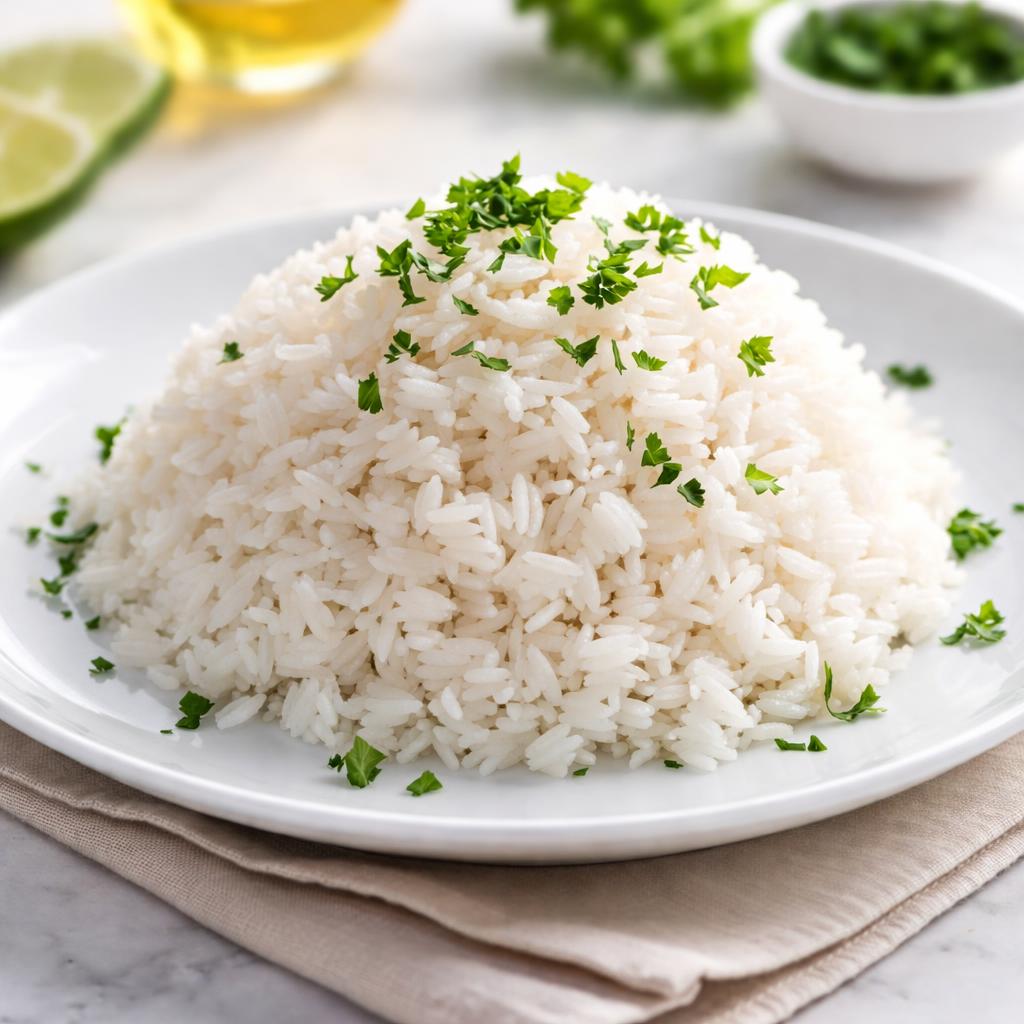
Rice
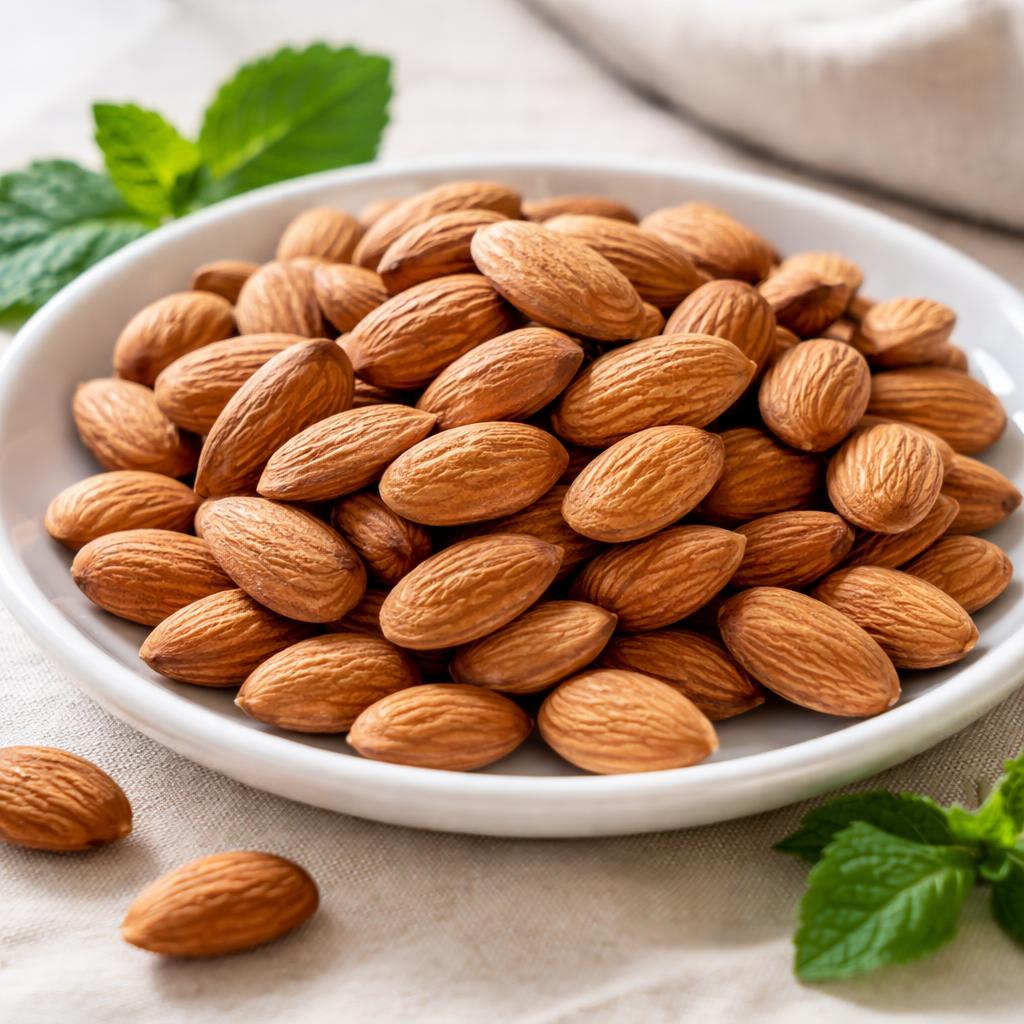
Almonds
🎯 Quick Verdict
Rice and almonds serve very different nutritional purposes. Rice is primarily a source of carbohydrates, making it ideal for quick energy needs, while almonds are nutrient-dense, packed with healthy fats, fiber, and protein. Choose rice for easy digestion and energy, and almonds for sustained energy and nutrient diversity.

Smart Nutrition Tracking with SnapCalorie

📊 Nutritional Comparison
Macronutrients
| Nutrient | Food 1 | Food 2 | Winner |
|---|---|---|---|
| Calories | 130 (per 100g cooked) | 580 (per 100g raw) | ✓ |
| Protein | 2.7g | 21g | ✓ |
| Carbs | 28.7g | 21.6g | ✓ |
| Fat | 0.3g | 50g | ✓ |
| Fiber | 0.4g | 12.5g | ✓ |
Vitamins & Minerals
| Nutrient | Food 1 | Food 2 | Winner |
|---|---|---|---|
| Vitamin E | 0mg | 25.6mg | ✓ |
| Magnesium | 13mg | 270mg | ✓ |
| Iron | 0.2mg | 3.7mg | ✓ |
🏆 Category Winners
Protein
Almonds contain 21g of protein per 100g versus 2.7g in rice.
Fiber
Almonds are high in fiber (12.5g per serving) compared to 0.4g in rice.
Calories
Rice has significantly fewer calories per serving than almonds.
Vitamins
Almonds are rich in Vitamin E, Magnesium, and Iron, all of which are low in rice.
🥗 Diet Compatibility
Keto
Food 1: Not Compatible
Food 2: Compatible
Almonds are low in carbs and high in fat, making them suitable for keto diets, while rice is carb-heavy.
Vegan
Food 1: Compatible
Food 2: Compatible
Both rice and almonds are plant-based foods suitable for vegan diets.
Gluten Free
Food 1: Compatible
Food 2: Compatible
Neither rice nor almonds contain gluten.
Paleo
Food 1: Compatible
Food 2: Compatible
Both foods fit into the principles of the paleo diet.
Low-Carb
Food 1: Not Compatible
Food 2: Compatible
Rice is high in carbohydrates, while almonds are lower in carbs and higher in fat.
💪 Health Benefits Comparison
Food 1 Benefits
- Simple source of carbohydrates for quick energy
- Gentle on digestion and easily absorbed
- Contains small amounts of vitamins like B vitamins for energy metabolism
Food 2 Benefits
- Rich in healthy fats for heart health
- Great protein source for muscle development and repair
- High in fiber for improved digestion and gut health
- Contains Vitamin E, Magnesium, and antioxidants for cellular health
✅ The Bottom Line
Choose rice for quick, easily digestible energy or as a staple carb option in meals. Almonds are better for nutrient diversity, heart health, and sustained energy due to their mix of healthy fats, fiber, and protein. Diet goals dictate the choice: rice works for high-carb needs like endurance training, while almonds are perfect for keto, low-carb, or high-protein diets.
Choose Food 1 for: Quick energy, endurance athletes, budget-friendly carb source
Choose Food 2 for: Healthy snacking, low-carb diets, weight management, nutrient density


