Rice VS Almond
A detailed nutritional comparison
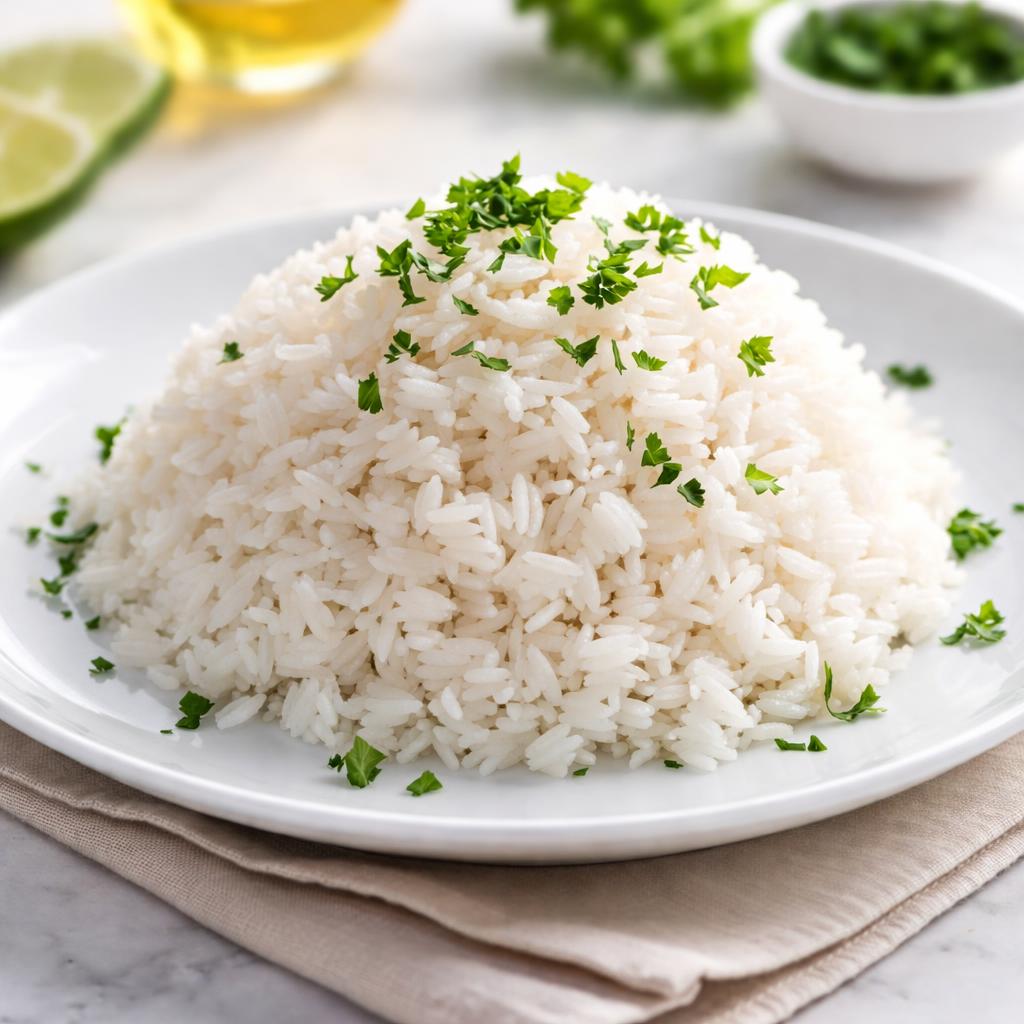
Rice
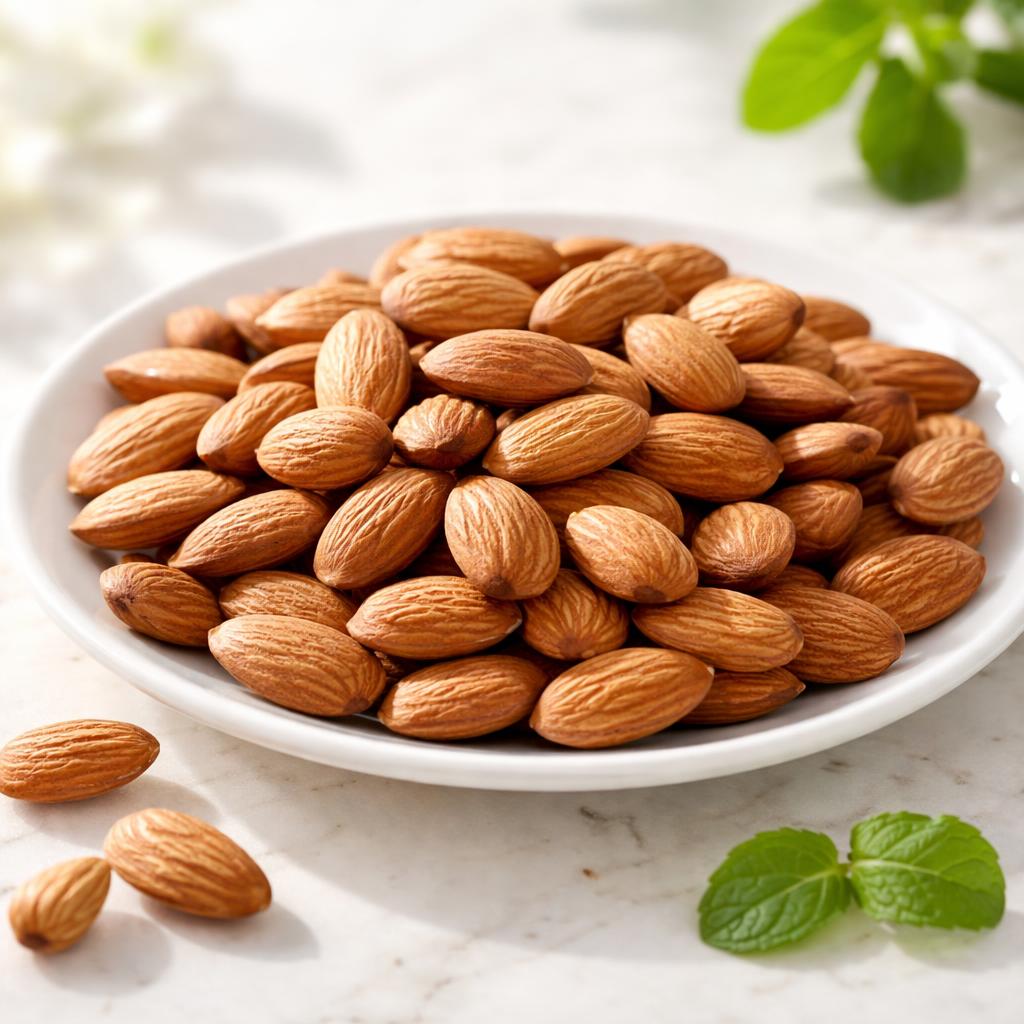
Almond
🎯 Quick Verdict
Rice and almonds offer different nutritional benefits. Rice is lower in calories and carbohydrates, making it a better choice for low-calorie meals or energy-focused diets. Almonds provide significantly more protein, fiber, and healthy fats, making them ideal for satiety, sustained energy, and nutrient density. Best use cases depend on dietary requirements and goals.

Smart Nutrition Tracking with SnapCalorie

📊 Nutritional Comparison
Macronutrients
| Nutrient | Food 1 | Food 2 | Winner |
|---|---|---|---|
| Calories | 130 (cooked, 1 cup) | 164 (raw, 1 oz) | ✓ |
| Protein | 2.7g | 6g | ✓ |
| Carbs | 28g | 6g | ✓ |
| Fat | 0.3g | 14g | ✓ |
| Fiber | 0.6g | 3.5g | ✓ |
Vitamins & Minerals
| Nutrient | Food 1 | Food 2 | Winner |
|---|---|---|---|
| Vitamin E | 0mg | 7.3mg | ✓ |
| Magnesium | 12mg | 76mg | ✓ |
| Calcium | 10mg | 76mg | ✓ |
| Iron | 0.2mg | 1mg | ✓ |
🏆 Category Winners
Protein
Almonds provide over double the protein compared to rice, making them a better choice for protein-focused diets.
Fiber
Almonds have nearly six times the fiber content of rice, aiding digestion and promoting satiety.
Calories
Cooked rice has fewer calories per serving than almonds, making it suitable for low-calorie meals.
Vitamins
Almonds are nutrient-dense, offering significant amounts of Vitamin E, magnesium, and calcium.
🥗 Diet Compatibility
Keto
Food 1: Not Compatible
Food 2: Compatible
Rice is high in carbohydrates, while almonds are low-carb and high-fat, fitting keto guidelines.
Vegan
Food 1: Compatible
Food 2: Compatible
Both foods are plant-based.
Gluten Free
Food 1: Compatible
Food 2: Compatible
Neither rice nor almonds contain gluten.
Paleo
Food 1: Compatible
Food 2: Compatible
Both foods align with paleo principles.
Low Carb
Food 1: Not Compatible
Food 2: Compatible
Food2 has only 6g of carbs per serving, while food1 has 28g.
💪 Health Benefits Comparison
Food 1 Benefits
- Provides quick energy from carbohydrates
- Easy to digest, suitable for sensitive stomachs
- Low calorie option for weight management
Food 2 Benefits
- Rich in vitamin E for skin and immune health
- High in healthy fats for heart health
- Contains magnesium for muscle and nerve function
- Provides fiber for improved digestion and satiety
✅ The Bottom Line
Choose rice for low-calorie meals, quick energy, or as a staple carbohydrate. Opt for almonds for high protein, fiber, and healthy fat content, especially on keto, paleo, or nutrient-dense diets.
Choose Food 1 for: Low-energy diets, easy digestion, quick energy recovery
Choose Food 2 for: High-protein diets, heart health, long-lasting energy and satiety


