Rice Porridge VS Whole Grain Bread Roll
A detailed nutritional comparison

Rice Porridge
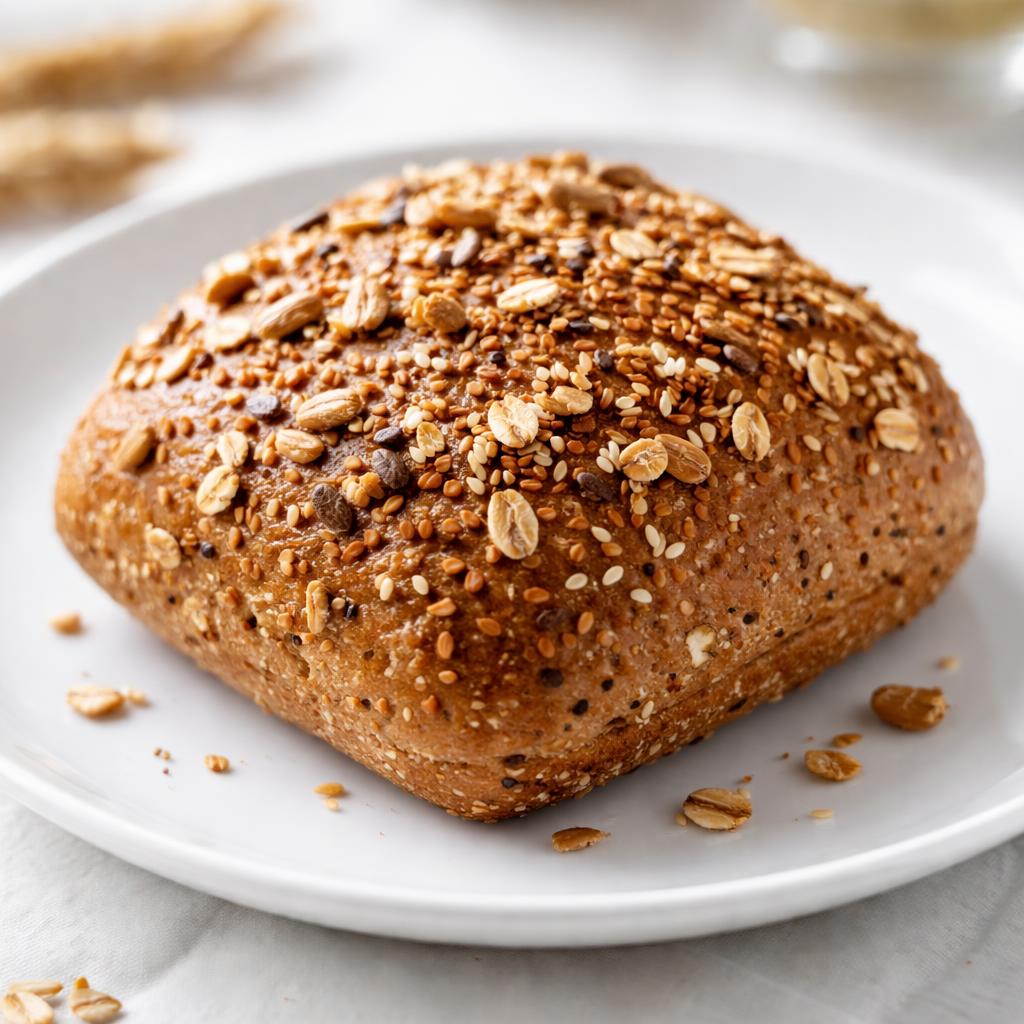
Whole Grain Bread Roll
🎯 Quick Verdict
Rice porridge is lower in calories and fat, making it ideal for light meals or weight management. Whole grain bread rolls are higher in protein and fiber, making them better suited for sustained energy and digestive health. Both offer unique benefits depending on dietary goals.

Smart Nutrition Tracking with SnapCalorie

📊 Nutritional Comparison
Macronutrients
| Nutrient | Food 1 | Food 2 | Winner |
|---|---|---|---|
| Calories | 100 | 230 | ✓ |
| Protein | 2g | 8g | ✓ |
| Carbs | 21g | 42g | ✓ |
| Fat | 1g | 4g | ✓ |
| Fiber | 0.5g | 5g | ✓ |
Vitamins & Minerals
| Nutrient | Food 1 | Food 2 | Winner |
|---|---|---|---|
| Vitamin B6 | 0.1mg | 0.3mg | ✓ |
| Magnesium | 10mg | 30mg | ✓ |
| Iron | 0.2mg | 1.3mg | ✓ |
🏆 Category Winners
Protein
Food2 contains 4x more protein than food1.
Fiber
Food2 has 10x the fiber of food1.
Calories
Food1 provides less than half the calories of food2 per serving.
🥗 Diet Compatibility
Keto
Food 1: Not Compatible
Food 2: Not Compatible
Both foods are high in carbohydrates.
Vegan
Food 1: Compatible
Food 2: Compatible
Neither food contains animal-based ingredients.
Gluten Free
Food 1: Compatible
Food 2: Not Compatible
Rice porridge is naturally gluten-free, whereas whole grain bread is made with wheat-containing gluten.
Paleo
Food 1: Compatible
Food 2: Not Compatible
Food1 aligns with paleo principles while food2 contains processed grains.
Low-Carb
Food 1: Not Compatible
Food 2: Not Compatible
Both foods contain high carbohydrate content, unsuitable for standard low-carb diets.
💪 Health Benefits Comparison
Food 1 Benefits
- Low-calorie option for weight management
- Easy-to-digest meal for sensitive stomachs
- Provides light energy without adding excessive fat
Food 2 Benefits
- Rich in fiber for digestive health
- Higher protein content for muscle maintenance
- Contains essential minerals like magnesium and iron
✅ The Bottom Line
Choose rice porridge for lighter and easier-to-digest meals or weight management. Opt for whole grain bread rolls when you need more sustained energy, protein, and fiber for digestive or muscle health.
Choose Food 1 for: Weight management, quick digestion, light meals
Choose Food 2 for: Sustained energy, nutrient density, improved digestion


