Rice Porridge VS Walnut Bread
A detailed nutritional comparison
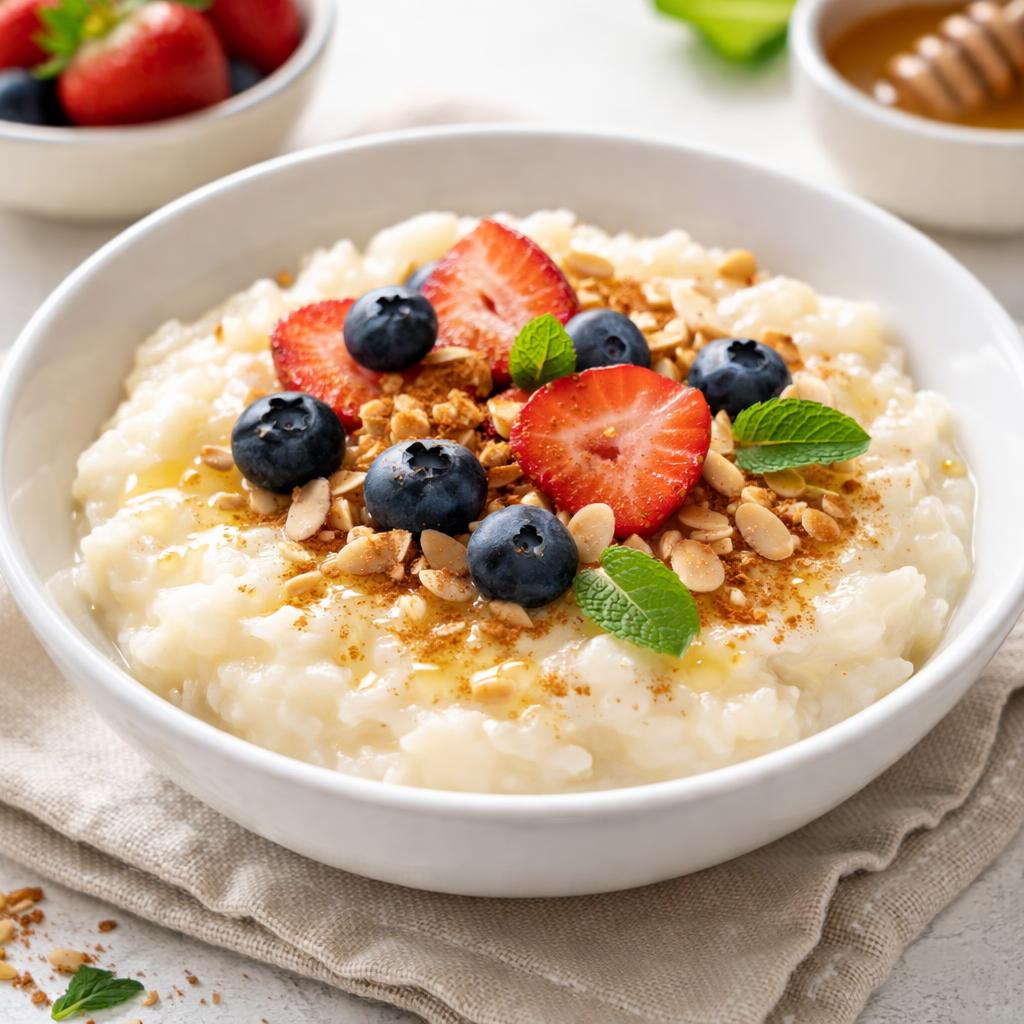
Rice Porridge
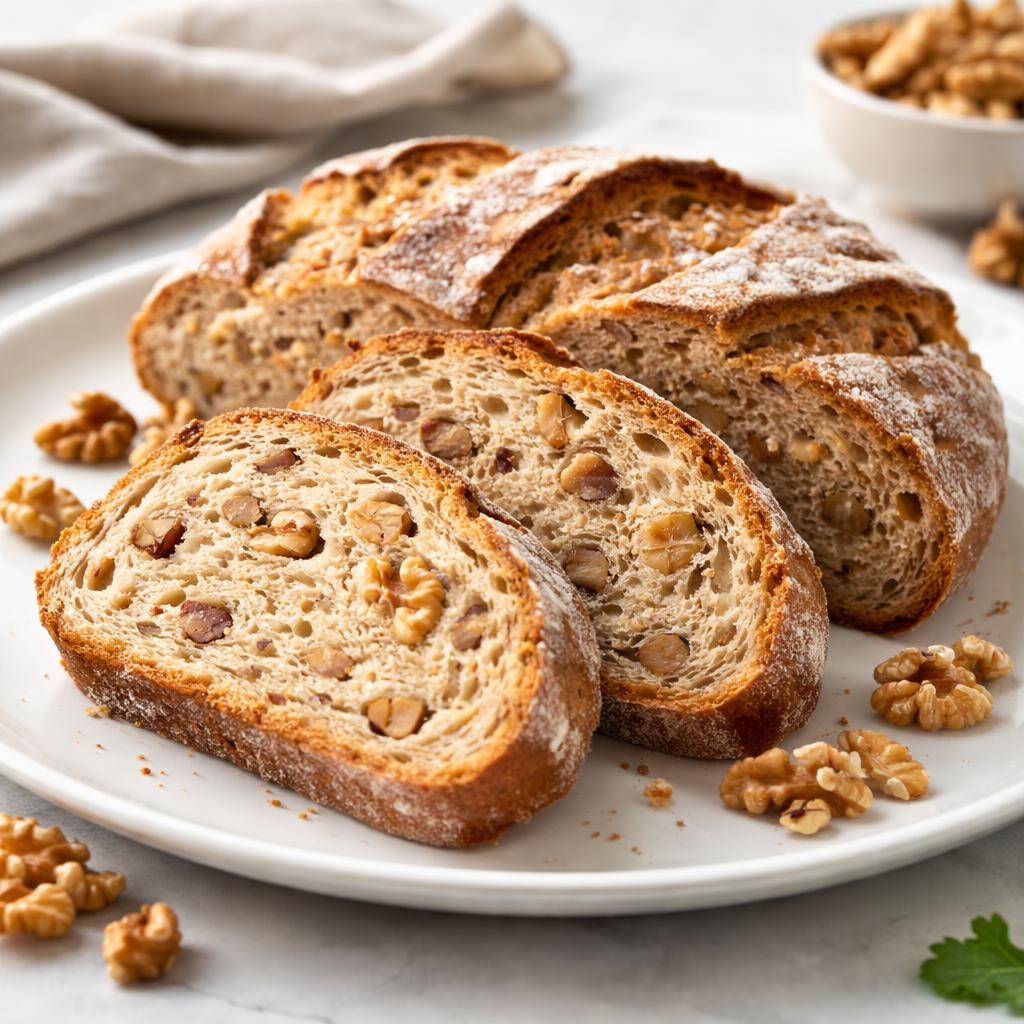
Walnut Bread
🎯 Quick Verdict
Rice porridge is a low-calorie, easy-to-digest food ideal for those seeking light meals, while walnut bread is nutrient-dense, offering significantly higher protein, fiber, and healthy fats. Walnut bread is better suited for individuals needing sustained energy and nutrient density, but rice porridge works well for weight loss or those with sensitive digestion.

Smart Nutrition Tracking with SnapCalorie

📊 Nutritional Comparison
Macronutrients
| Nutrient | Food 1 | Food 2 | Winner |
|---|---|---|---|
| Calories | 70 | 250 | ✓ |
| Protein | 1g | 8g | ✓ |
| Carbs | 15g | 30g | ✓ |
| Fat | 0.5g | 10g | ✓ |
| Fiber | 0.5g | 3g | ✓ |
Vitamins & Minerals
| Nutrient | Food 1 | Food 2 | Winner |
|---|---|---|---|
| Vitamin D | 0mcg | 0mcg | − |
| Calcium | 10mg | 50mg | ✓ |
| Iron | 0.2mg | 1mg | ✓ |
🏆 Category Winners
Protein
Walnut bread has 8 times the protein content compared to rice porridge.
Fiber
Walnut bread contains 6 times more fiber per serving than rice porridge.
Calories
Rice porridge is much lower in calories, providing only 70 calories per serving.
🥗 Diet Compatibility
Keto
Food 1: Not Compatible
Food 2: Not Compatible
Both foods are high in carbohydrates and not suitable for keto diets.
Vegan
Food 1: Compatible
Food 2: Compatible
Both foods contain no animal-derived ingredients.
Gluten Free
Food 1: Compatible
Food 2: Not Compatible
Rice porridge is gluten-free, but walnut bread is typically made with wheat.
Paleo
Food 1: Compatible
Food 2: Not Compatible
Rice porridge fits within paleo guidelines, whereas walnut bread typically includes non-paleo ingredients like flour.
Low Carb
Food 1: Not Compatible
Food 2: Not Compatible
Both foods are moderate to high in carbohydrates, rendering them unsuitable for a low-carb diet.
💪 Health Benefits Comparison
Food 1 Benefits
- Low in calories, ideal for weight management
- Easy to digest, suitable for sensitive stomachs
- Provides quick energy from simple carbohydrates
Food 2 Benefits
- Rich in protein for muscle health and energy
- High fiber content to aid digestion and support gut health
- Contains healthy fats from walnuts that promote heart health
✅ The Bottom Line
Choose rice porridge if you need a low-calorie, gentle-on-the-stomach option for light meals or recovery from illness. Walnut bread, on the other hand, is better suited for those seeking a nutrient-dense, energy-sustaining food with healthy fats and fiber. Both have unique advantages depending on dietary goals.
Choose Food 1 for: Weight loss, sensitive digestion, post-surgery meals
Choose Food 2 for: Heart health, sustained energy, nutrient-dense snacks


