Rice Porridge VS Spicy Rice
A detailed nutritional comparison
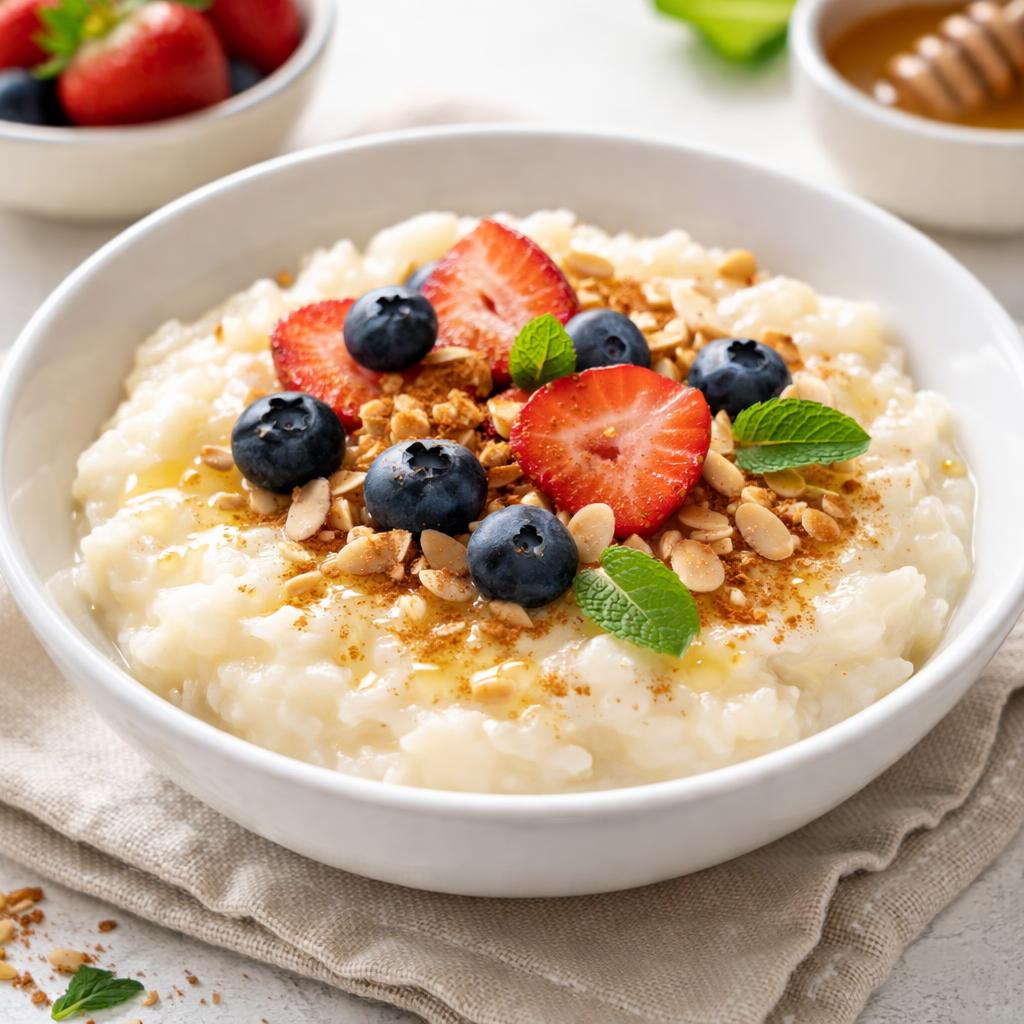
Rice Porridge
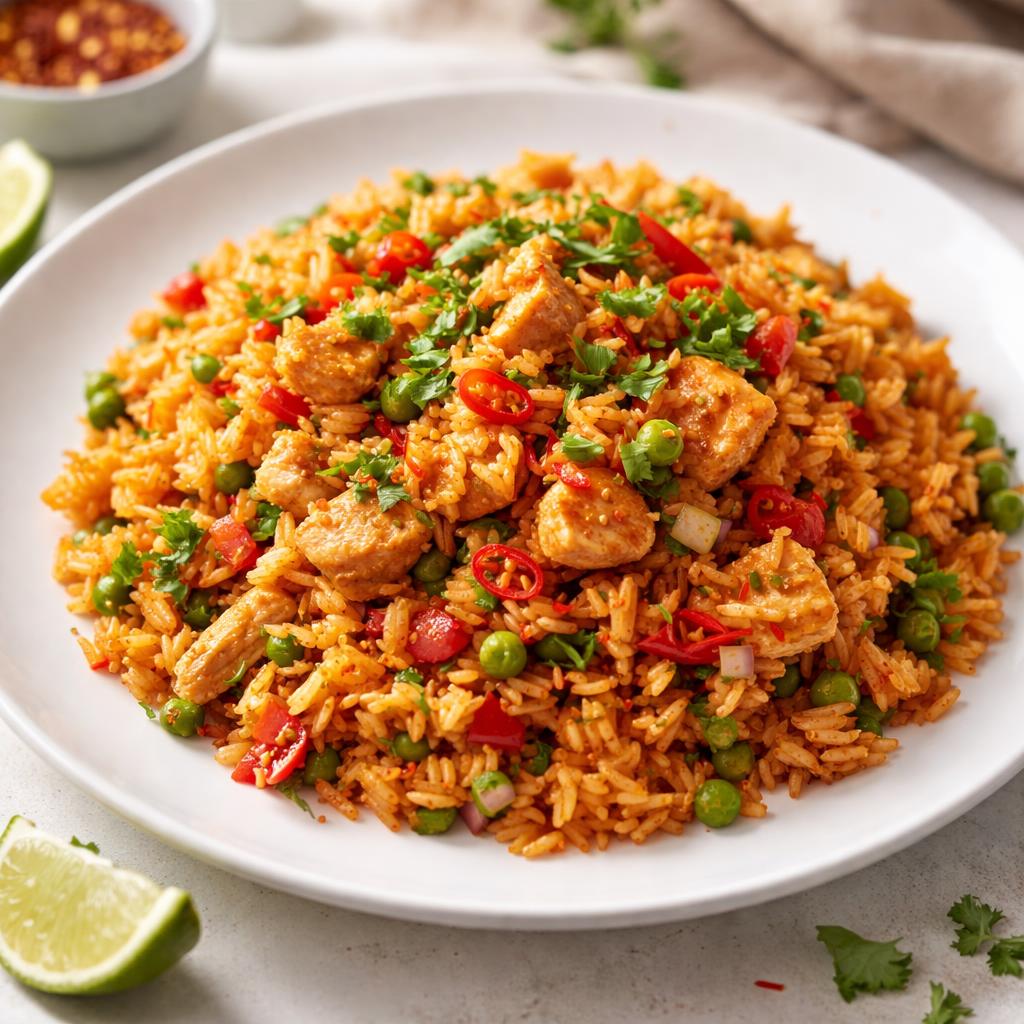
Spicy Rice
🎯 Quick Verdict
Rice porridge is lower in calories and fat, making it a lighter option for weight management and digestion. Spicy rice delivers higher protein and fiber content, along with added flavor complexity, making it ideal for energy and nutrient density. Choose rice porridge for light meals and spicy rice for satisfying, nutrient-dense meals.

Smart Nutrition Tracking with SnapCalorie

📊 Nutritional Comparison
Macronutrients
| Nutrient | Food 1 | Food 2 | Winner |
|---|---|---|---|
| Calories | 110 (per 1 cup) | 215 (per 1 cup) | ✓ |
| Protein | 2g | 6g | ✓ |
| Carbs | 24g | 30g | ✓ |
| Fat | 0.5g | 6g | ✓ |
| Fiber | 0.7g | 3g | ✓ |
Vitamins & Minerals
| Nutrient | Food 1 | Food 2 | Winner |
|---|---|---|---|
| Vitamin A | 1mcg | 200mcg | ✓ |
| Vitamin C | 0mg | 15mg | ✓ |
| Iron | 0.3mg | 1.5mg | ✓ |
🏆 Category Winners
Protein
Spicy rice has 200% more protein compared to rice porridge.
Fiber
Spicy rice contains 4x more fiber than rice porridge.
Calories
Rice porridge is nearly half the calories of spicy rice.
Vitamins
Spicy rice is enriched with Vitamin A, C, and iron.
🥗 Diet Compatibility
Keto
Food 1: Not Compatible
Food 2: Not Compatible
Both are high-carb foods and unsuitable for keto diets.
Vegan
Food 1: Compatible
Food 2: Compatible
Both foods are plant-based assuming no animal products were added.
Gluten Free
Food 1: Compatible
Food 2: Compatible
Neither contains gluten, safe for those with gluten intolerance.
Paleo
Food 1: Not Compatible
Food 2: Not Compatible
Rice is excluded in paleo diets.
Low-Carb
Food 1: Not Compatible
Food 2: Not Compatible
Both contain significant amounts of carbs per serving.
💪 Health Benefits Comparison
Food 1 Benefits
- Low-calorie option for light meals
- Digestive ease and gentle for the stomach
- Minimal fat content reduces dietary cholesterol concerns
Food 2 Benefits
- High protein content supports muscle development
- Rich in dietary fiber for improved digestion
- Vitamin A and C support immune health and eye health
✅ The Bottom Line
Rice porridge is a simpler, light option for weight loss or recovery diets, while spicy rice provides a multifaceted nutrient profile with protein and vitamins suitable for a satisfying, flavorful meal. It boils down to your dietary goals and flavor preferences.
Choose Food 1 for: Weight loss, light meals, digestion-sensitive diets
Choose Food 2 for: Muscle building, nutrient density, flavorful daily meals


