Rice Porridge VS Purple Rice
A detailed nutritional comparison
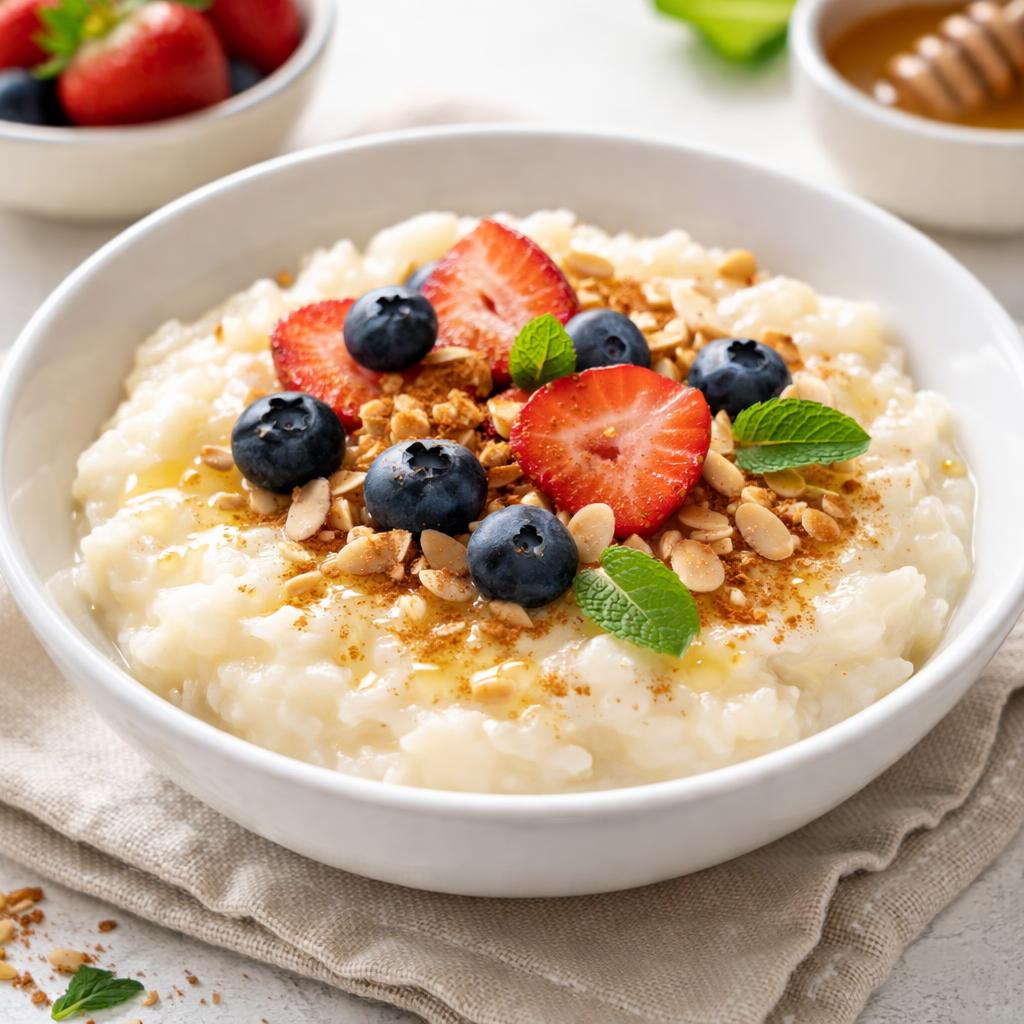
Rice Porridge
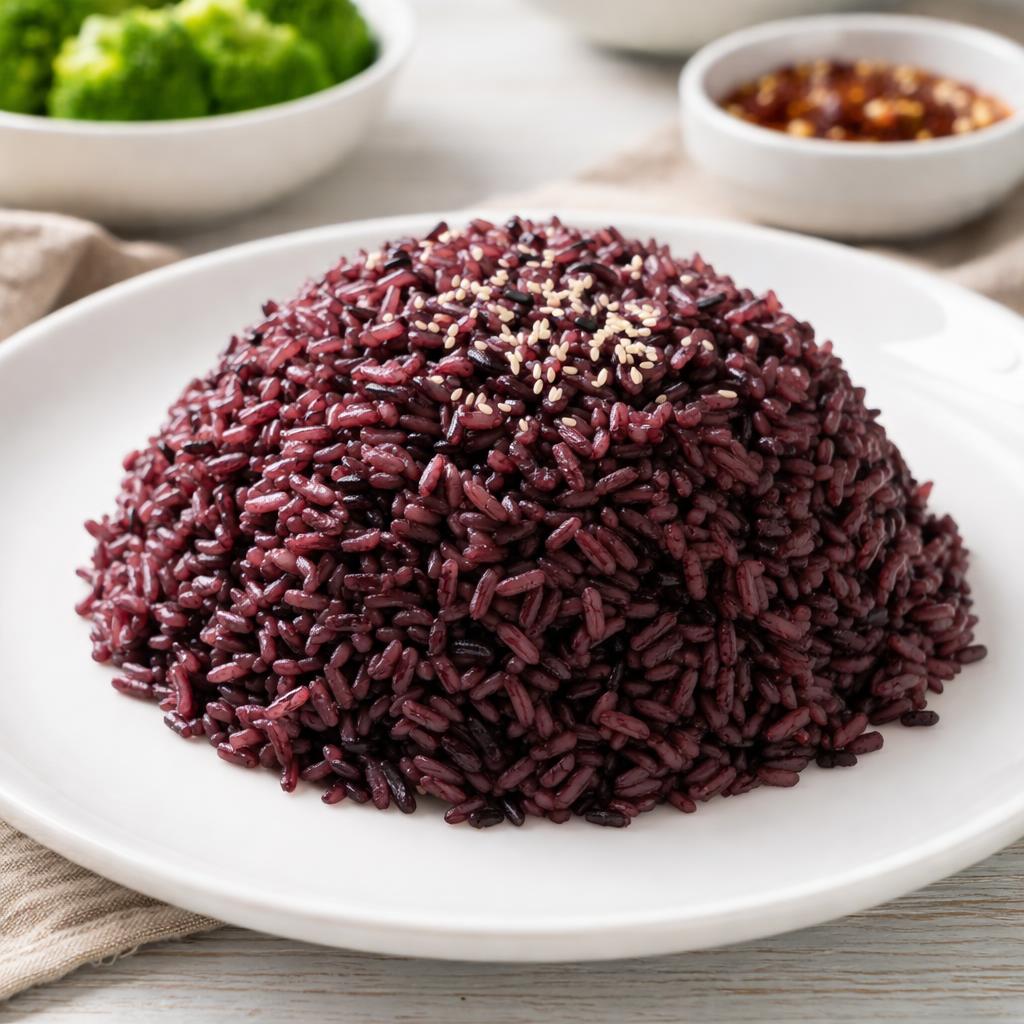
Purple Rice
🎯 Quick Verdict
Purple rice (Food 2) is nutritionally richer than rice porridge (Food 1), offering higher protein, fiber, and more vitamins. Rice porridge is lower in calories and better for light meals or easy digestion. Purple rice is excellent for more nutrient-dense meals or supporting long-term energy and overall health.

Smart Nutrition Tracking with SnapCalorie

📊 Nutritional Comparison
Macronutrients
| Nutrient | Food 1 | Food 2 | Winner |
|---|---|---|---|
| Calories | 70 | 200 | ✓ |
| Protein | 1.5g | 5g | ✓ |
| Carbs | 15g | 45g | ✓ |
| Fat | 0.5g | 2g | ✓ |
| Fiber | 0.2g | 3g | ✓ |
Vitamins & Minerals
| Nutrient | Food 1 | Food 2 | Winner |
|---|---|---|---|
| Vitamin D | 0mcg | 0mcg | − |
| Vitamin A | 0mcg | 5mcg | ✓ |
| Iron | 0.5mg | 1.8mg | ✓ |
| Calcium | 10mg | 15mg | ✓ |
🏆 Category Winners
Protein
Purple rice provides over 3 times the protein compared to rice porridge.
Fiber
Purple rice contains 15x more fiber than rice porridge, aiding digestion.
Calories
Rice porridge is lower in calories, making it better for lighter meals.
Vitamins
Purple rice has generally higher levels of micronutrients such as iron and Vitamin A.
🥗 Diet Compatibility
Keto
Food 1: Not Compatible
Food 2: Not Compatible
Both are high-carb foods.
Vegan
Food 1: Compatible
Food 2: Compatible
Both are plant-based and vegan-friendly.
Gluten Free
Food 1: Compatible
Food 2: Compatible
Rice-based foods naturally do not contain gluten.
Paleo
Food 1: Compatible
Food 2: Compatible
Rice is generally accepted in paleo diets as a primal food option.
Low Carb
Food 1: Not Compatible
Food 2: Not Compatible
Both foods are too high in carbohydrates to qualify as low-carb.
💪 Health Benefits Comparison
Food 1 Benefits
- Easily digestible and soothing for the stomach
- Low-calorie option for weight management
- Hydrating and ideal for recovery after illness
Food 2 Benefits
- Higher protein content for muscle repair and growth
- Rich in fiber, supporting gut health and digestion
- Contains antioxidants that contribute to overall wellness
✅ The Bottom Line
Rice porridge is a great choice for light meals or easy digestion, especially for people recovering from illness or looking for a low-calorie option. Purple rice is nutritionally superior, making it ideal for balanced and nutrient-rich meals, especially for those seeking higher protein and fiber intake.
Choose Food 1 for: Light meals, weight management, post-illness recovery
Choose Food 2 for: Nutrient-dense meals, long-term energy, overall health improvement


