Rice Porridge VS Porridge Oats
A detailed nutritional comparison
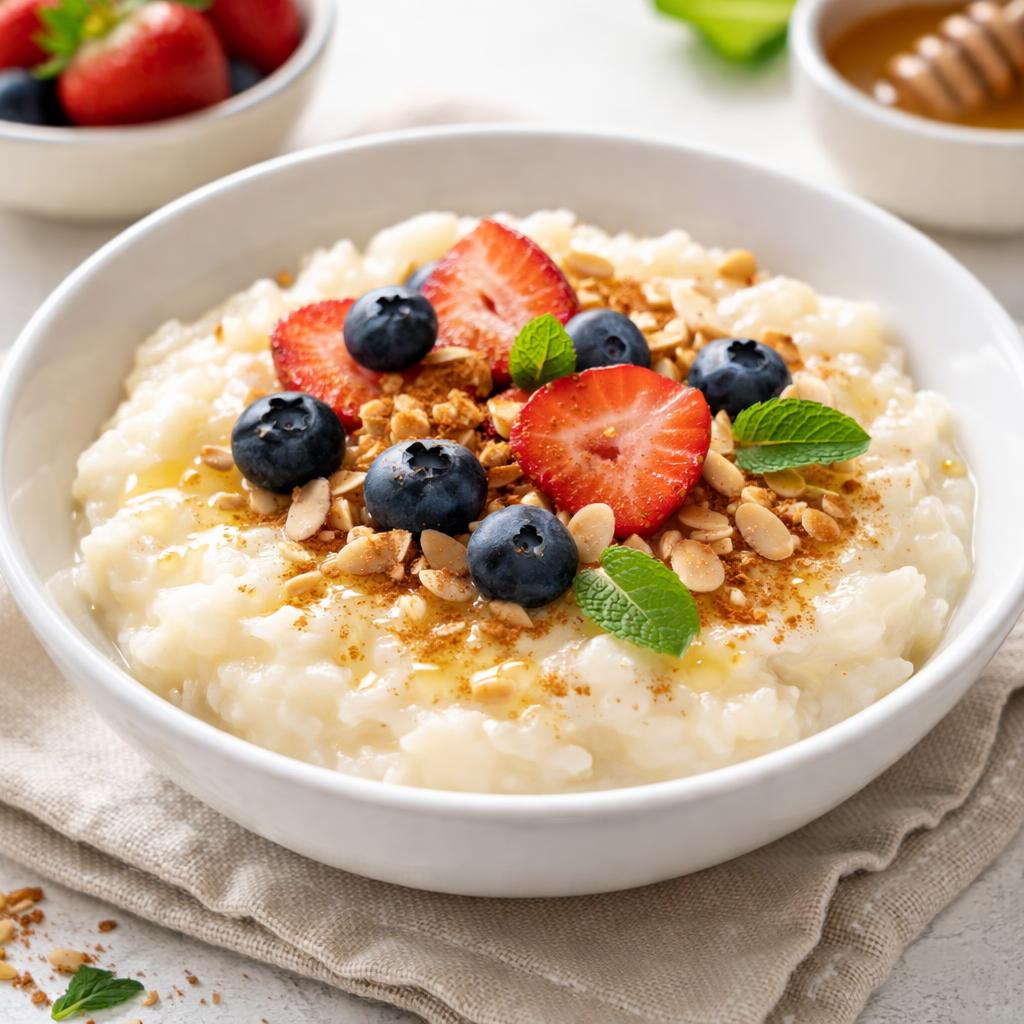
Rice Porridge
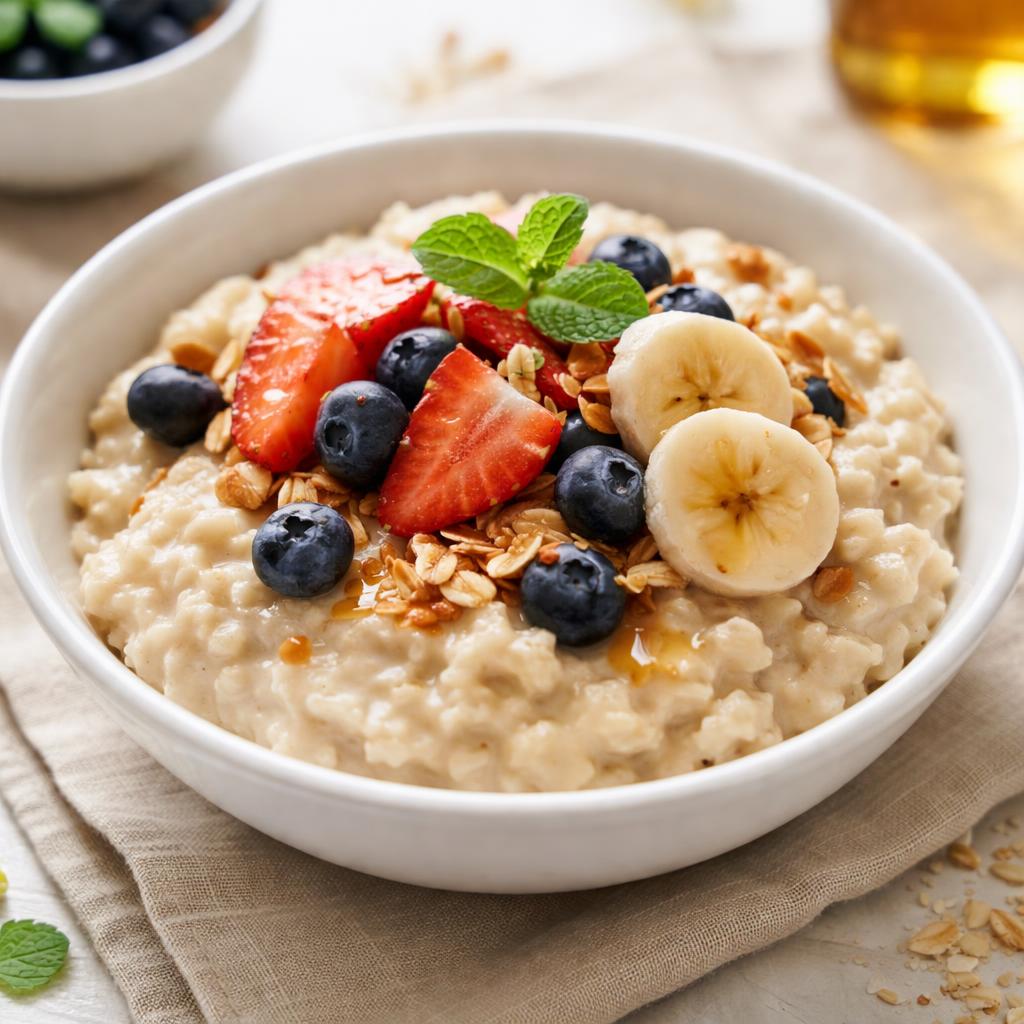
Porridge Oats
🎯 Quick Verdict
Rice porridge is lower in calories and better suited for light meals or weight management. Porridge oats, on the other hand, provide significantly more protein and fiber, making them ideal for sustained energy and satiety. Choose rice porridge for low-calorie options or oats for nutrient density and long-lasting fullness.

Smart Nutrition Tracking with SnapCalorie

📊 Nutritional Comparison
Macronutrients
| Nutrient | Food 1 | Food 2 | Winner |
|---|---|---|---|
| Calories | 90 (per cup cooked) | 150 (per ½ cup dry) | ✓ |
| Protein | 2g | 5g | ✓ |
| Carbs | 20g | 27g | ✓ |
| Fat | 0.2g | 3g | ✓ |
| Fiber | 0.3g | 4g | ✓ |
Vitamins & Minerals
| Nutrient | Food 1 | Food 2 | Winner |
|---|---|---|---|
| Vitamin D | 0mcg | 0mcg | − |
| Calcium | 10mg | 20mg | ✓ |
| Iron | 0.1mg | 1.5mg | ✓ |
🏆 Category Winners
Protein
Porridge oats provide over double the protein compared to rice porridge.
Fiber
Oats contain 13 times more fiber than rice porridge, aiding digestion and promoting fullness.
Calories
Rice porridge has 40% fewer calories, making it better for calorie reduction.
Vitamins
Porridge oats have higher levels of minerals like calcium and iron.
🥗 Diet Compatibility
Keto
Food 1: Not Compatible
Food 2: Not Compatible
Both foods are high in carbs.
Vegan
Food 1: Compatible
Food 2: Compatible
Both are plant-based foods.
Gluten Free
Food 1: Compatible
Food 2: Compatible if certified GF
While rice naturally lacks gluten, oats may require certification for gluten-free diets.
Paleo
Food 1: Compatible
Food 2: Not Compatible
Rice porridge aligns with paleo principles better, as oats are excluded from strict paleo diets.
Low-Carb
Food 1: Not Compatible
Food 2: Not Compatible
Both foods are carb-heavy and not suited for low-carb diets.
💪 Health Benefits Comparison
Food 1 Benefits
- Low in calories for weight management
- Easily digestible for sensitive stomachs
- Provides quick energy due to simple carbs
Food 2 Benefits
- High in fiber for better digestion and satiety
- Good protein source to support muscle health
- Rich in minerals like iron and magnesium for overall health
✅ The Bottom Line
Rice porridge is a light, low-calorie meal option that works well for those seeking easily digestible food. Porridge oats, however, offer more substantial nutrition with higher protein, fiber, and minerals, making them ideal for sustained energy and fullness. Choose rice porridge for light meals and oats for nutrient density.
Choose Food 1 for: Weight management, light meals, sensitive stomachs
Choose Food 2 for: High-protein diets, digestion support, long-lasting energy


