Rice Porridge VS Cream Of Wheat
A detailed nutritional comparison
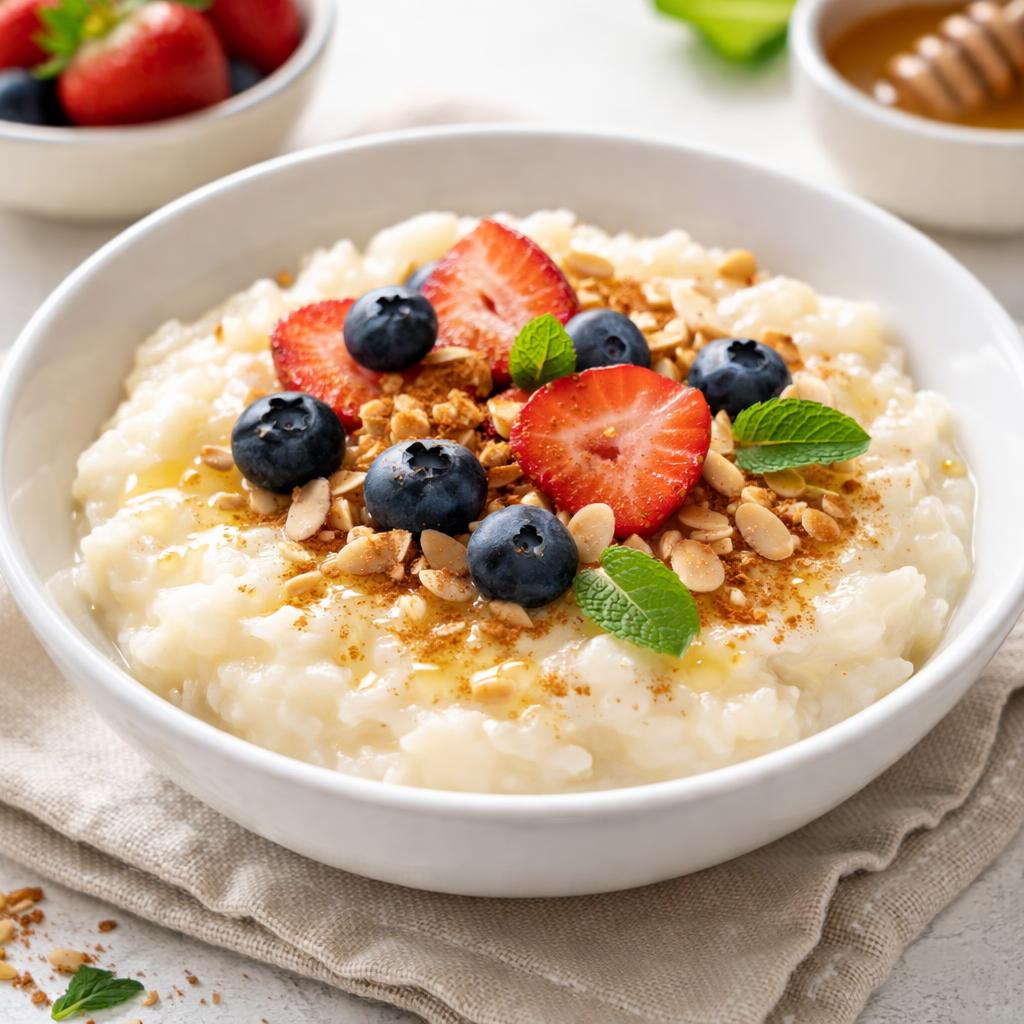
Rice Porridge
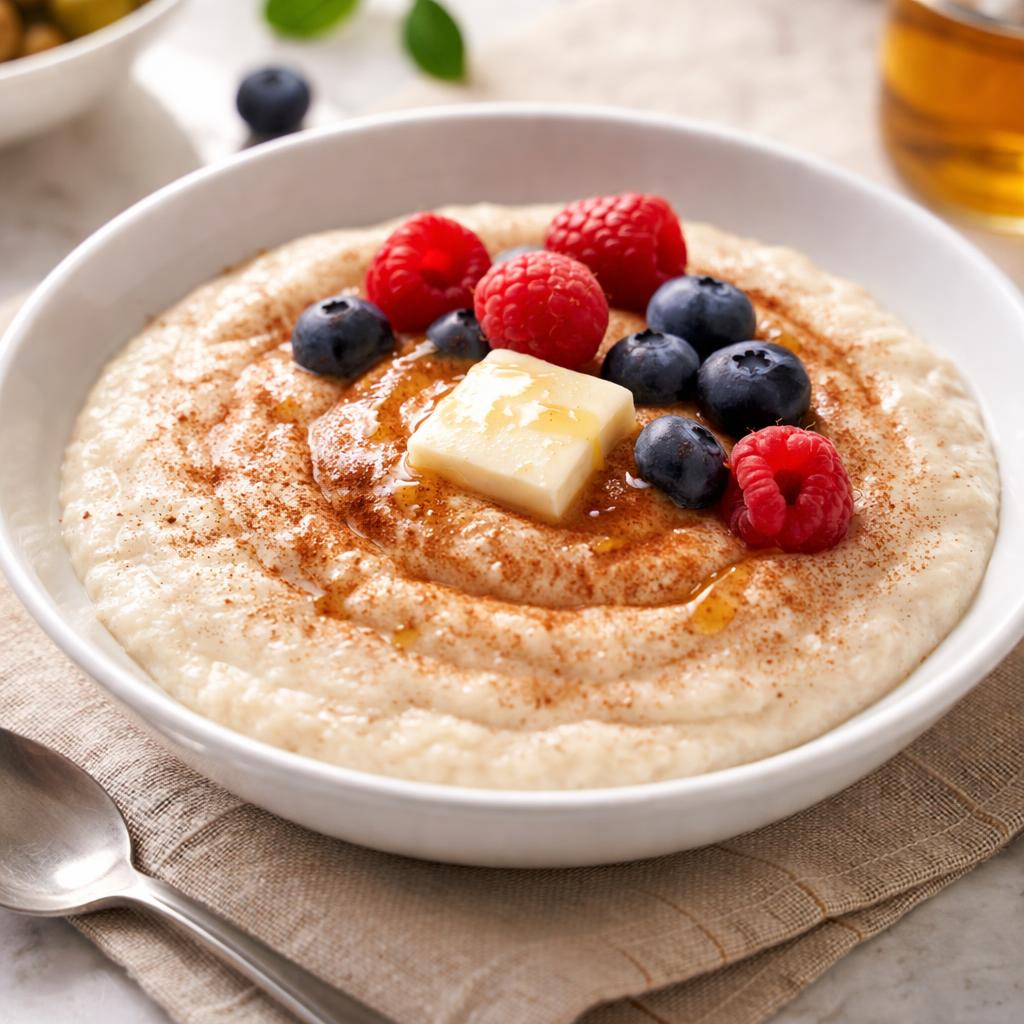
Cream Of Wheat
🎯 Quick Verdict
Rice porridge is lower in calories compared to cream of wheat, making it a good option for light meals or weight management. Cream of wheat stands out for its higher protein content, making it suitable for muscle-building diets. Both provide energy but vary in fiber levels and overall nutrient density, depending on preparation methods.

Smart Nutrition Tracking with SnapCalorie

📊 Nutritional Comparison
Macronutrients
| Nutrient | Food 1 | Food 2 | Winner |
|---|---|---|---|
| Calories | 70 | 120 | ✓ |
| Protein | 1.5g | 3g | ✓ |
| Carbs | 15g | 23g | ✓ |
| Fat | 0.3g | 0.5g | ✓ |
| Fiber | 0.5g | 0.2g | ✓ |
Vitamins & Minerals
| Nutrient | Food 1 | Food 2 | Winner |
|---|---|---|---|
| Vitamin D | 0mcg | 0mcg | − |
| Calcium | 10mg | 150mg | ✓ |
| Iron | 0.5mg | 5mg | ✓ |
🏆 Category Winners
Protein
Cream of wheat contains double the protein per serving compared to rice porridge.
Fiber
Rice porridge offers more fiber, benefiting digestive health.
Calories
Rice porridge is significantly lower in calories, providing a lighter meal option.
Vitamins
Due to fortified calcium and iron content, cream of wheat is nutritionally denser in micronutrients.
🥗 Diet Compatibility
Keto
Food 1: Not Compatible
Food 2: Not Compatible
Both foods are high in carbs and not suitable for keto.
Vegan
Food 1: Compatible
Food 2: Compatible
Both foods are free from animal products.
Gluten Free
Food 1: Compatible
Food 2: Not Compatible
Rice porridge is naturally gluten-free, while cream of wheat contains gluten.
Paleo
Food 1: Compatible
Food 2: Not Compatible
Rice porridge aligns with paleo principles, but cream of wheat does not due to its processed nature.
Low-Carb
Food 1: Not Compatible
Food 2: Not Compatible
Both foods have high carbohydrate content.
💪 Health Benefits Comparison
Food 1 Benefits
- Low in calories for weight management
- Easily digestible and soothing for the stomach
- Gluten-free option for celiac or gluten-intolerant individuals
Food 2 Benefits
- Fortified with iron for energy production
- Rich in calcium for bone health
- Higher protein content supports muscle maintenance
✅ The Bottom Line
Rice porridge is ideal for lighter meals, gluten-free diets, or soothing the stomach during illness, while cream of wheat offers a higher protein and fortified nutrient profile suitable for individuals needing more iron and calcium. Choose based on your health goals and dietary preferences.
Choose Food 1 for: Weight management, digestive health, gluten-free diets
Choose Food 2 for: Muscle building, fortified nutrient intake, bone health


