Rice Pilaf VS Zucchini Bread
A detailed nutritional comparison
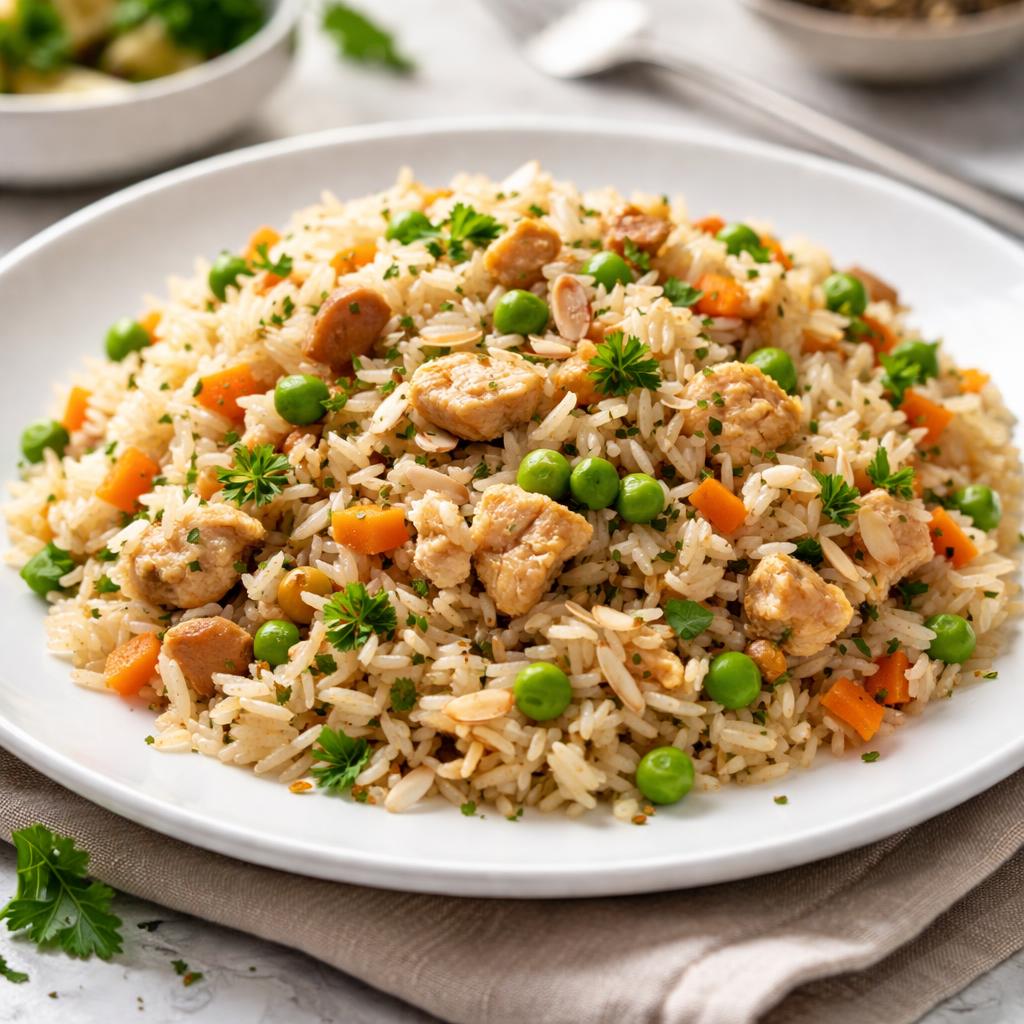
Rice Pilaf
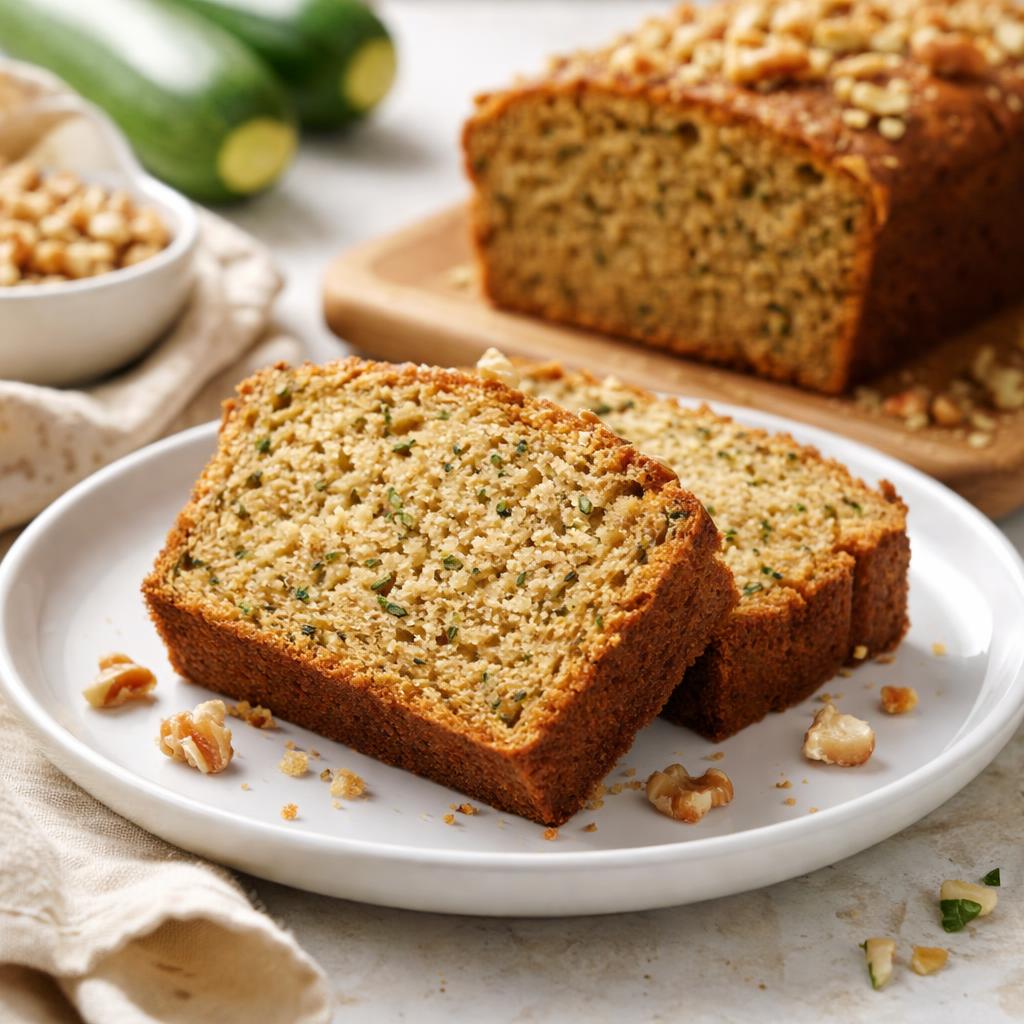
Zucchini Bread
🎯 Quick Verdict
Rice pilaf has fewer calories and higher protein than zucchini bread, making it a better choice for weight management or muscle maintenance. Zucchini bread is higher in fiber and provides more sustained energy due to its carbohydrates and fats. Both have unique benefits depending on your dietary goals and preferences.

Smart Nutrition Tracking with SnapCalorie

📊 Nutritional Comparison
Macronutrients
| Nutrient | Food 1 | Food 2 | Winner |
|---|---|---|---|
| Calories | 220 | 275 | − |
| Protein | 5g | 3g | − |
| Carbs | 40g | 37g | − |
| Fat | 4g | 13g | − |
| Fiber | 1g | 2g | − |
Vitamins & Minerals
| Nutrient | Food 1 | Food 2 | Winner |
|---|---|---|---|
| Vitamin C | 2mg | 6mg | − |
| Calcium | 15mg | 60mg | − |
| Iron | 2mg | 1mg | − |
🏆 Category Winners
Protein
Rice pilaf contains almost twice as much protein per serving.
Fiber
Zucchini bread has double the fiber compared to rice pilaf.
Calories
Rice pilaf is 20% lower in calories.
Vitamins
Zucchini bread is a richer source of Vitamin C and Calcium.
🥗 Diet Compatibility
Keto
Food 1: Not Compatible
Food 2: Not Compatible
Both foods are relatively high in carbohydrates.
Vegan
Food 1: Not Compatible
Food 2: Not Compatible
Rice pilaf is often made with chicken broth; zucchini bread typically contains eggs.
Gluten Free
Food 1: Compatible (if gluten-free broth is used)
Food 2: Not Compatible
Zucchini bread is traditionally made with wheat flour.
Paleo
Food 1: Not Compatible
Food 2: Not Compatible
Both contain grains or processed ingredients not considered paleo.
Low-Carb
Food 1: Not Compatible
Food 2: Not Compatible
Both foods contain more than 35g of carbs per serving.
💪 Health Benefits Comparison
Food 1 Benefits
- Lower calorie option for weight management
- Good source of protein for muscle maintenance
- Provides iron for energy production
Food 2 Benefits
- Higher fiber content aids digestion and satiety
- Rich in Vitamin C, which supports the immune system
- Contains healthy fats for sustained energy
✅ The Bottom Line
Rice pilaf is an excellent choice for lower calories and higher protein, making it suitable for weight-conscious or fitness-focused individuals. Zucchini bread excels in fiber and healthy fats, ideal for those prioritizing digestion and sustained energy. Both foods are less compatible for specialized diets like keto or paleo.
Choose Food 1 for: Weight loss, high-protein diets, light meals
Choose Food 2 for: Digestive health, sustained energy, occasional indulgence


