Rice Pilaf VS Turkish Bread
A detailed nutritional comparison
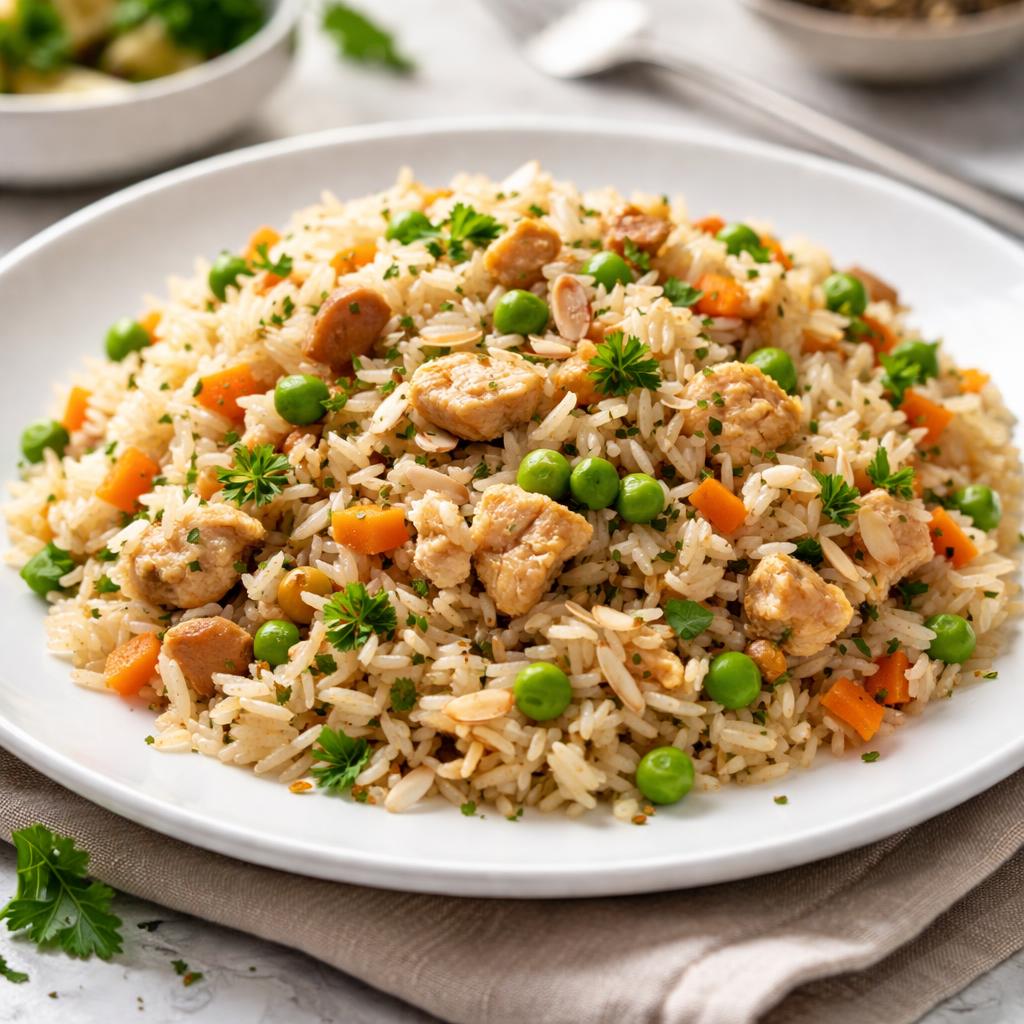
Rice Pilaf
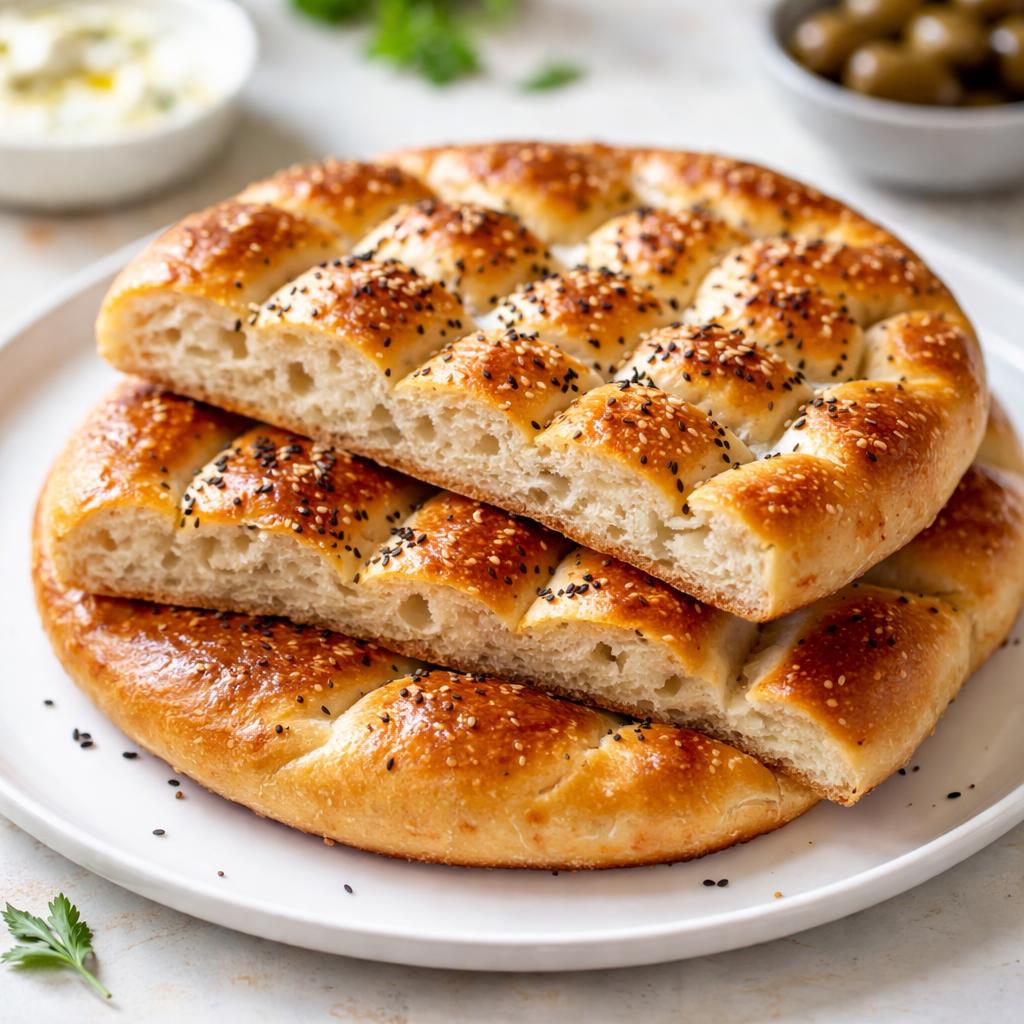
Turkish Bread
🎯 Quick Verdict
Rice pilaf is lower in calories and higher in fiber, making it ideal for weight management and digestive health. Turkish bread contains more protein and is slightly higher in calories, offering a more energy-dense option. Both are compatible with vegan diets and can be customized for various uses, such as a side dish or sandwich base.

Smart Nutrition Tracking with SnapCalorie

📊 Nutritional Comparison
Macronutrients
| Nutrient | Food 1 | Food 2 | Winner |
|---|---|---|---|
| Calories | 160 | 240 | ✓ |
| Protein | 4g | 7g | ✓ |
| Carbs | 30g | 45g | ✓ |
| Fat | 4g | 3g | ✓ |
| Fiber | 3g | 2g | ✓ |
Vitamins & Minerals
| Nutrient | Food 1 | Food 2 | Winner |
|---|---|---|---|
| Vitamin D | 0mcg | 0mcg | − |
| Calcium | 30mg | 50mg | ✓ |
| Iron | 1.5mg | 1.8mg | ✓ |
🏆 Category Winners
Protein
Turkish bread has 3g more protein per serving.
Fiber
Rice pilaf contains 50% more fiber.
Calories
Rice pilaf has 33% fewer calories per serving.
Vitamins
Turkish bread provides slightly higher levels of calcium and iron.
🥗 Diet Compatibility
Keto
Food 1: Not Compatible
Food 2: Not Compatible
Both are high-carb foods.
Vegan
Food 1: Compatible
Food 2: Compatible
Neither contains animal products.
Gluten Free
Food 1: Compatible
Food 2: Not Compatible
Rice pilaf is typically gluten-free, while Turkish bread contains wheat.
Paleo
Food 1: Not Compatible
Food 2: Not Compatible
Both are processed carb sources and not paleo-friendly.
Low Carb
Food 1: Not Compatible
Food 2: Not Compatible
Both foods are carb-heavy and unsuitable for low-carb diets.
💪 Health Benefits Comparison
Food 1 Benefits
- Lower in calories for weight management
- Good source of fiber for digestive health
- Can be fortified with vegetables for increased nutrients
Food 2 Benefits
- High in protein for muscle repair
- Provides quick energy from carbs for active individuals
- Good source of calcium for bone health
✅ The Bottom Line
Rice pilaf is a more calorie-conscious option that supports digestion and weight management, while Turkish bread offers more protein for active individuals and is ideal for making sandwiches or serving as a hearty side. Choose rice pilaf for lighter meals and Turkish bread for energy-dense occasions.
Choose Food 1 for: Low-calorie meals, digestion support, side dish for healthy dinners
Choose Food 2 for: Sandwiches, protein-rich meals, energy post-activity


