Rice Pilaf VS Spanish Rice
A detailed nutritional comparison
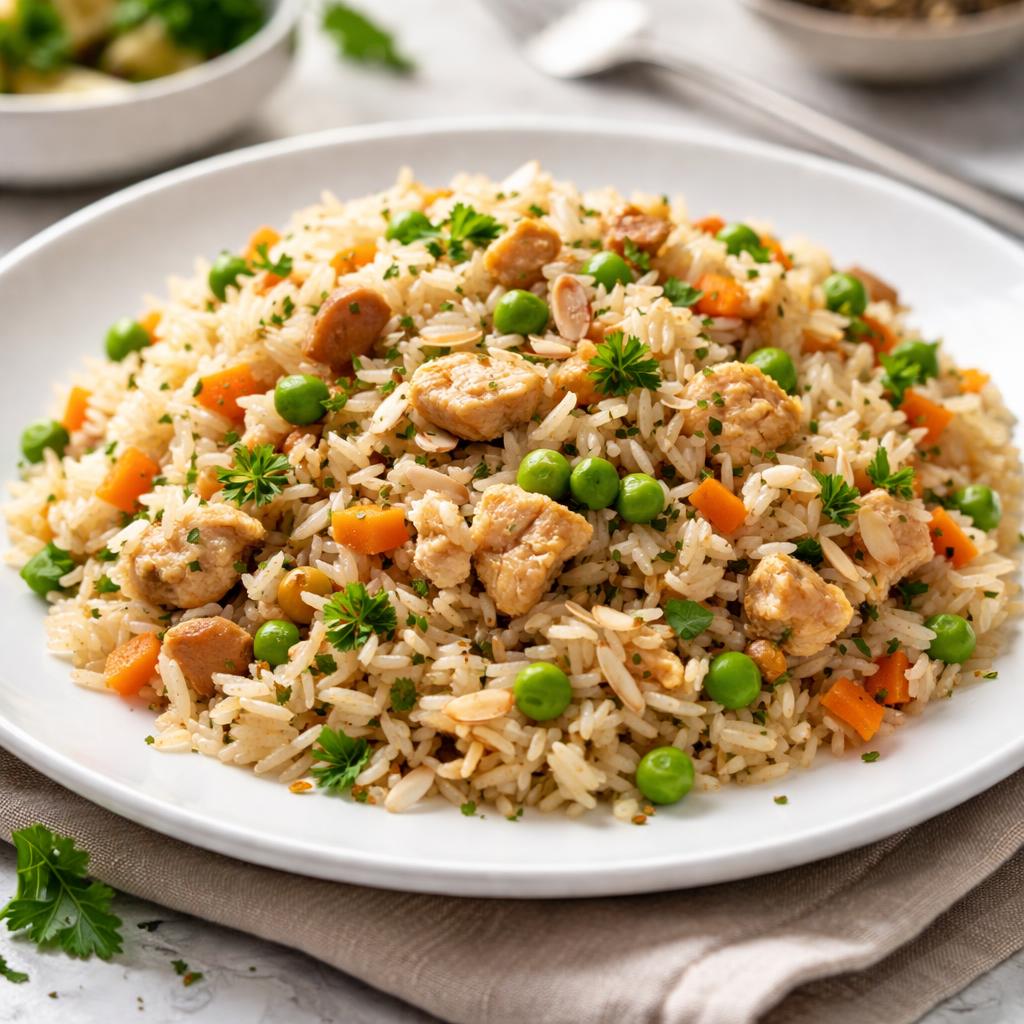
Rice Pilaf
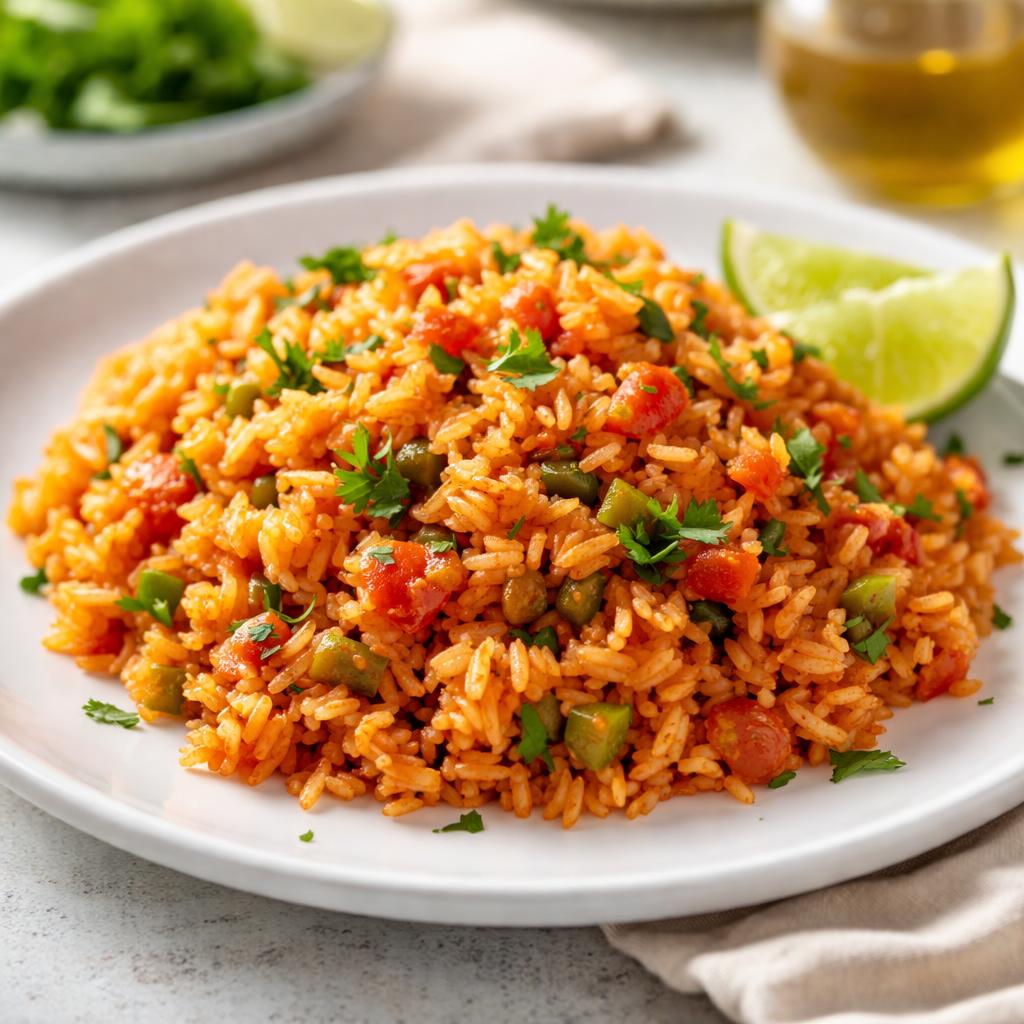
Spanish Rice
🎯 Quick Verdict
Rice pilaf and Spanish rice differ in nutritional profiles, with rice pilaf being lower in calories and slightly higher in protein, making it a better option for weight-conscious diets. Spanish rice, on the other hand, provides more fiber and tends to contain heart-healthy spices, making it a great choice for digestion and flavor-enhancement-focused meals.

Smart Nutrition Tracking with SnapCalorie

📊 Nutritional Comparison
Macronutrients
| Nutrient | Food 1 | Food 2 | Winner |
|---|---|---|---|
| Calories | 190 | 220 | ✓ |
| Protein | 5g | 5g | − |
| Carbs | 35g | 39g | ✓ |
| Fat | 5g | 6g | ✓ |
| Fiber | 2g | 3g | ✓ |
Vitamins & Minerals
| Nutrient | Food 1 | Food 2 | Winner |
|---|---|---|---|
| Vitamin A | 0IU | 300IU | ✓ |
| Vitamin C | 0mg | 3mg | ✓ |
| Iron | 0.5mg | 1mg | ✓ |
🏆 Category Winners
Protein
Both foods contain 5g of protein per serving.
Fiber
Spanish rice provides 50% more fiber than rice pilaf.
Calories
Rice pilaf is lower in calories, with 30 fewer calories per serving.
Vitamins
Spanish rice offers more Vitamin A, Vitamin C, and iron compared to rice pilaf.
🥗 Diet Compatibility
Keto
Food 1: Not Compatible
Food 2: Not Compatible
Both foods are high-carb and do not fit low-carb ketogenic diets.
Vegan
Food 1: Compatible
Food 2: Compatible
Both foods can be prepared with plant-based ingredients.
Gluten Free
Food 1: Compatible
Food 2: Compatible
Neither food contains gluten if properly prepared.
Paleo
Food 1: Not Compatible
Food 2: Not Compatible
Rice is excluded from the paleo diet.
Low-Carb
Food 1: Not Compatible
Food 2: Not Compatible
Both are high-carb foods with over 35g carbs per serving.
💪 Health Benefits Comparison
Food 1 Benefits
- Lower in calories, suitable for weight management
- Provides a moderate amount of protein for muscle maintenance
- Contains essential carbs for quick energy
Food 2 Benefits
- Higher fiber content supports digestion
- Rich in Vitamin A and C for immune support
- Heart-healthy spices like paprika or chili promote cardiovascular health
✅ The Bottom Line
Rice pilaf is a better option for those focused on calorie control and simple energy sources, while Spanish rice excels in fiber, vitamins, and has a flavorful profile that can enhance meals. Choose rice pilaf for weight management or Spanish rice for balanced nutrition with added health benefits.
Choose Food 1 for: Weight loss, lighter meals, simple energy sources
Choose Food 2 for: Digestive health, flavor enhancement, nutrient-rich side dishes


