Rice Pilaf VS Shirataki Rice
A detailed nutritional comparison
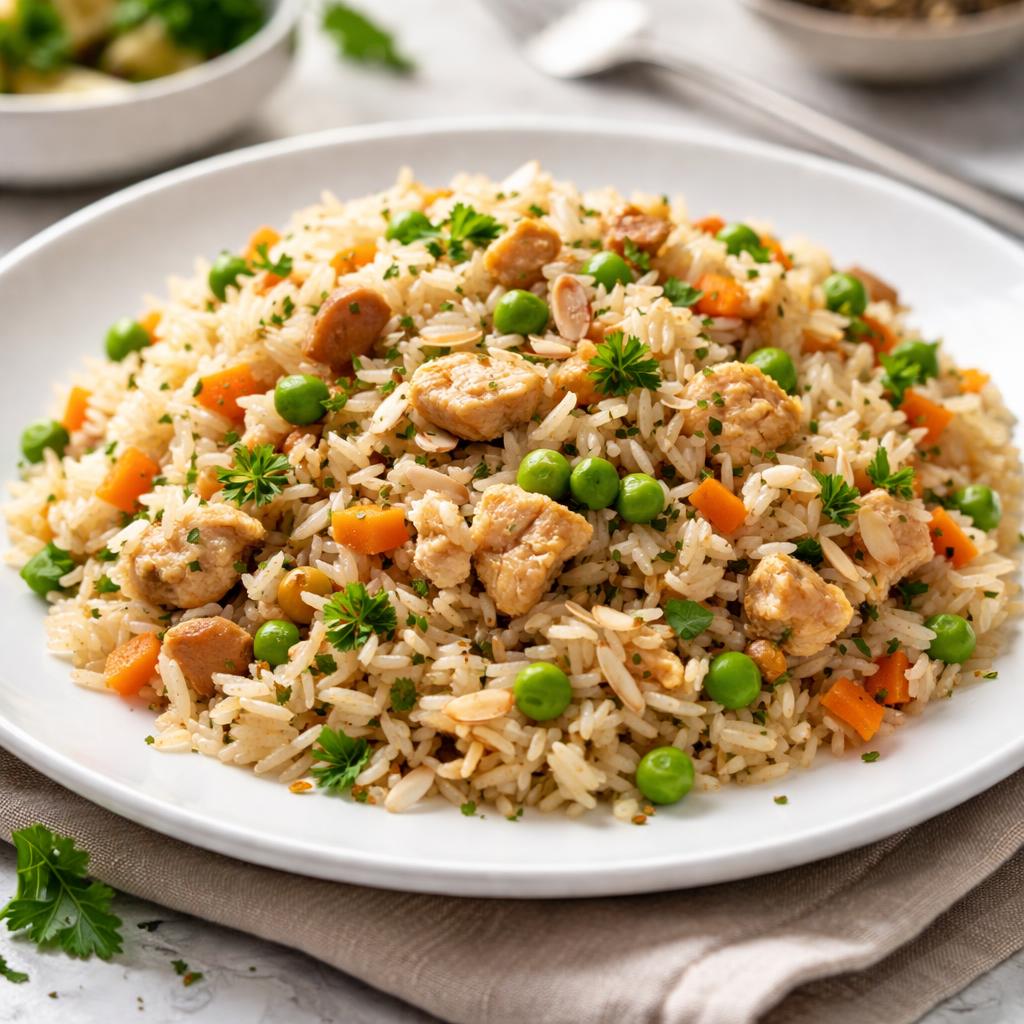
Rice Pilaf
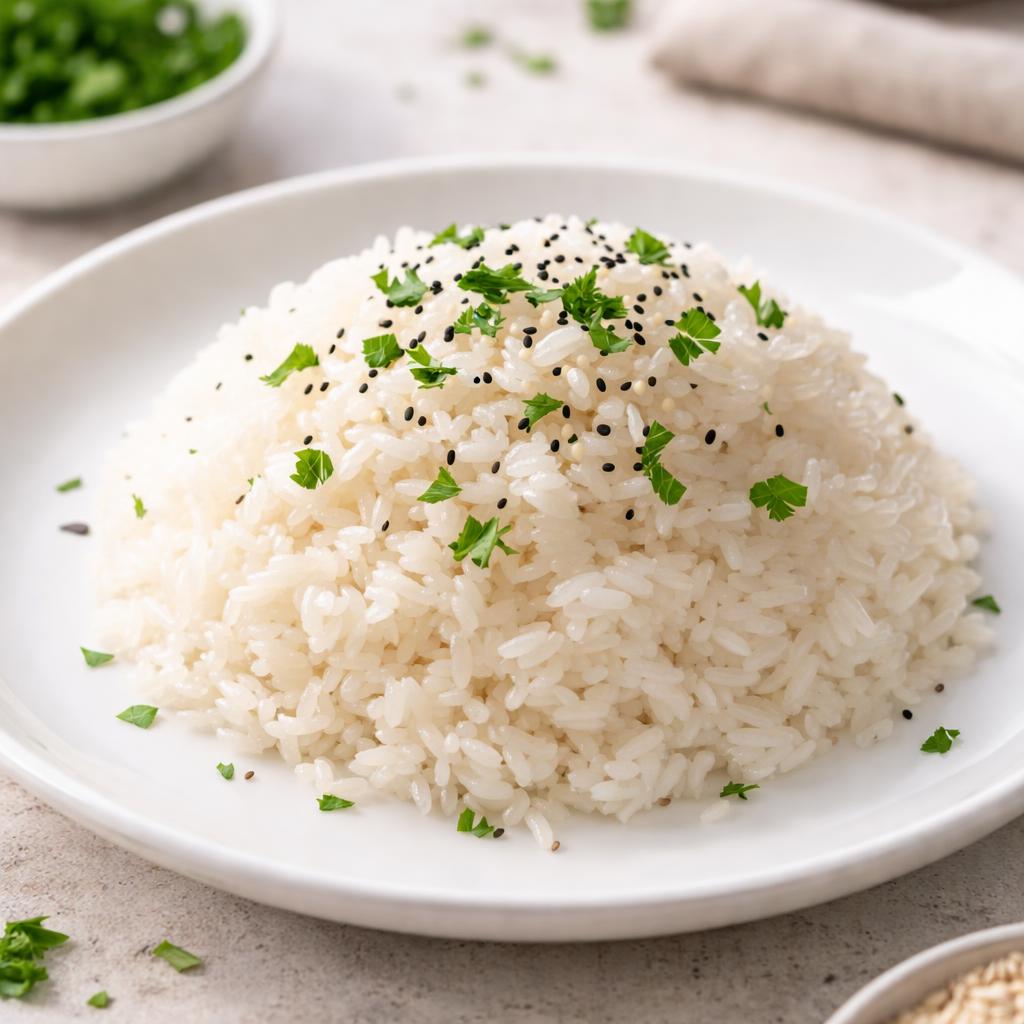
Shirataki Rice
🎯 Quick Verdict
Rice pilaf and shirataki rice differ significantly in calories and carbohydrates. While rice pilaf is fiber-rich and provides a balanced amount of carbs and protein, shirataki rice stands out for its extremely low calorie and carbohydrate content, making it ideal for low-carb and keto diets. Rice pilaf is better suited for those seeking energy and a nutrient-dense meal, while shirataki rice is perfect for weight loss and carb-conscious meals.

Smart Nutrition Tracking with SnapCalorie

📊 Nutritional Comparison
Macronutrients
| Nutrient | Food 1 | Food 2 | Winner |
|---|---|---|---|
| Calories | 200 | 10 | ✓ |
| Protein | 5g | 5g | − |
| Carbs | 38g | 3g | ✓ |
| Fat | 4g | 0g | ✓ |
| Fiber | 2g | 0g | ✓ |
Vitamins & Minerals
| Nutrient | Food 1 | Food 2 | Winner |
|---|---|---|---|
| Vitamin D | 0mcg | 0mcg | − |
| Calcium | 15mg | 20mg | ✓ |
| Iron | 1mg | 0mg | ✓ |
🏆 Category Winners
Protein
Both foods provide 5g of protein per serving.
Fiber
Rice pilaf has 2g of fiber, while shirataki rice is fiber-free.
Calories
Shirataki rice has 95% fewer calories than rice pilaf.
🥗 Diet Compatibility
Keto
Food 1: Not Compatible
Food 2: Compatible
Rice pilaf is high in carbs, while shirataki rice is low-carb and keto-friendly.
Vegan
Food 1: Compatible
Food 2: Compatible
Both are plant-based options.
Gluten Free
Food 1: Compatible
Food 2: Compatible
Both foods are naturally gluten-free.
Paleo
Food 1: Not Compatible
Food 2: Compatible
Rice pilaf often includes grains, disqualifying it from strict paleo diets.
Low-Carb
Food 1: Not Compatible
Food 2: Compatible
Shirataki rice has just 3g of carbs versus 38g in rice pilaf.
💪 Health Benefits Comparison
Food 1 Benefits
- Provides energy due to high carbohydrate content
- A source of dietary fiber for digestion
- Contains moderate protein for muscle maintenance
- Includes iron for red blood cell production
Food 2 Benefits
- Extremely low calorie, supporting weight loss
- Low-carb, excellent for keto and diabetic diets
- Calcium content supports bone health
- May help with fullness due to konjac glucomannan
✅ The Bottom Line
Choose rice pilaf if you need energy for physical activity or are looking for a fiber-rich, nutrient-dense side dish. Opt for shirataki rice if you're following a low-calorie, keto, or low-carb regimen, or if your goal is weight loss.
Choose Food 1 for: Active lifestyles, balanced diets, fiber-rich meals
Choose Food 2 for: Keto diets, weight loss, low-carb and calorie-focused meals


