Rice Pilaf VS Rice And Peas
A detailed nutritional comparison
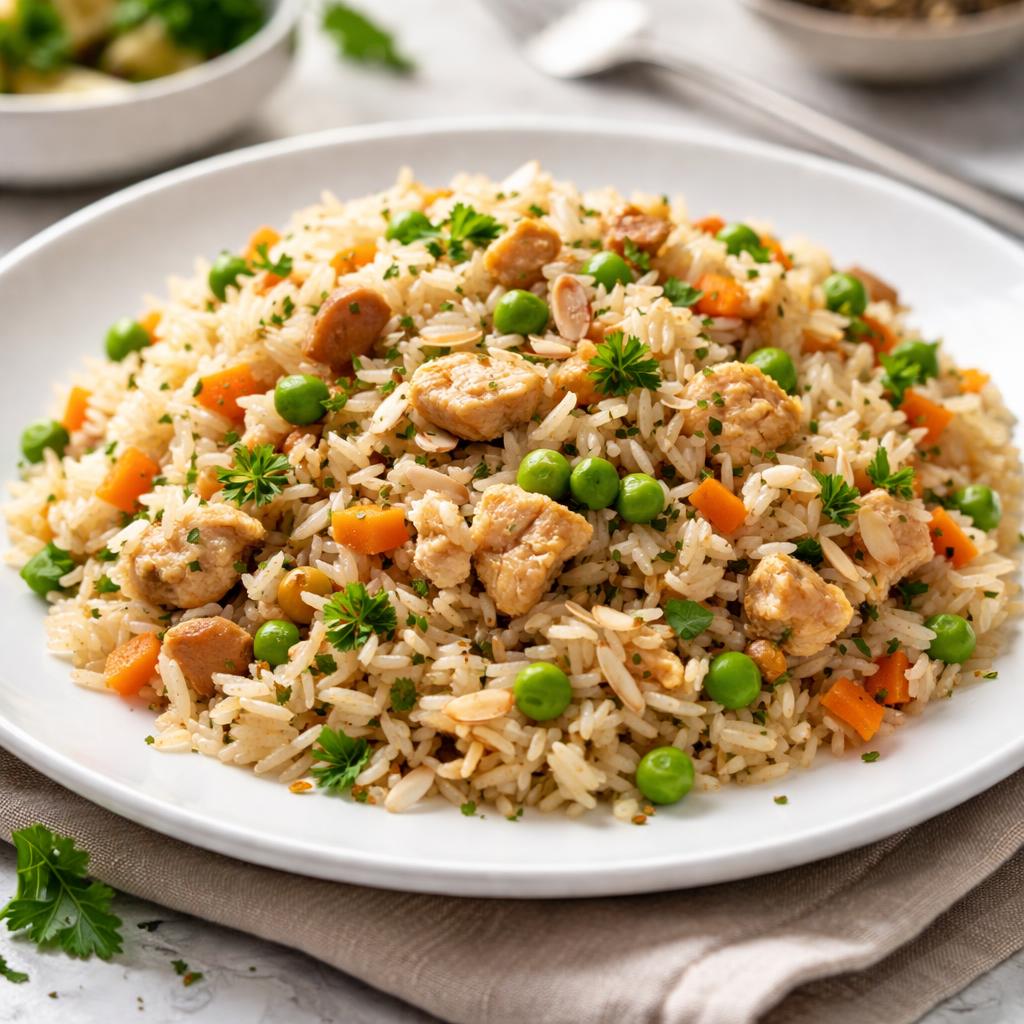
Rice Pilaf
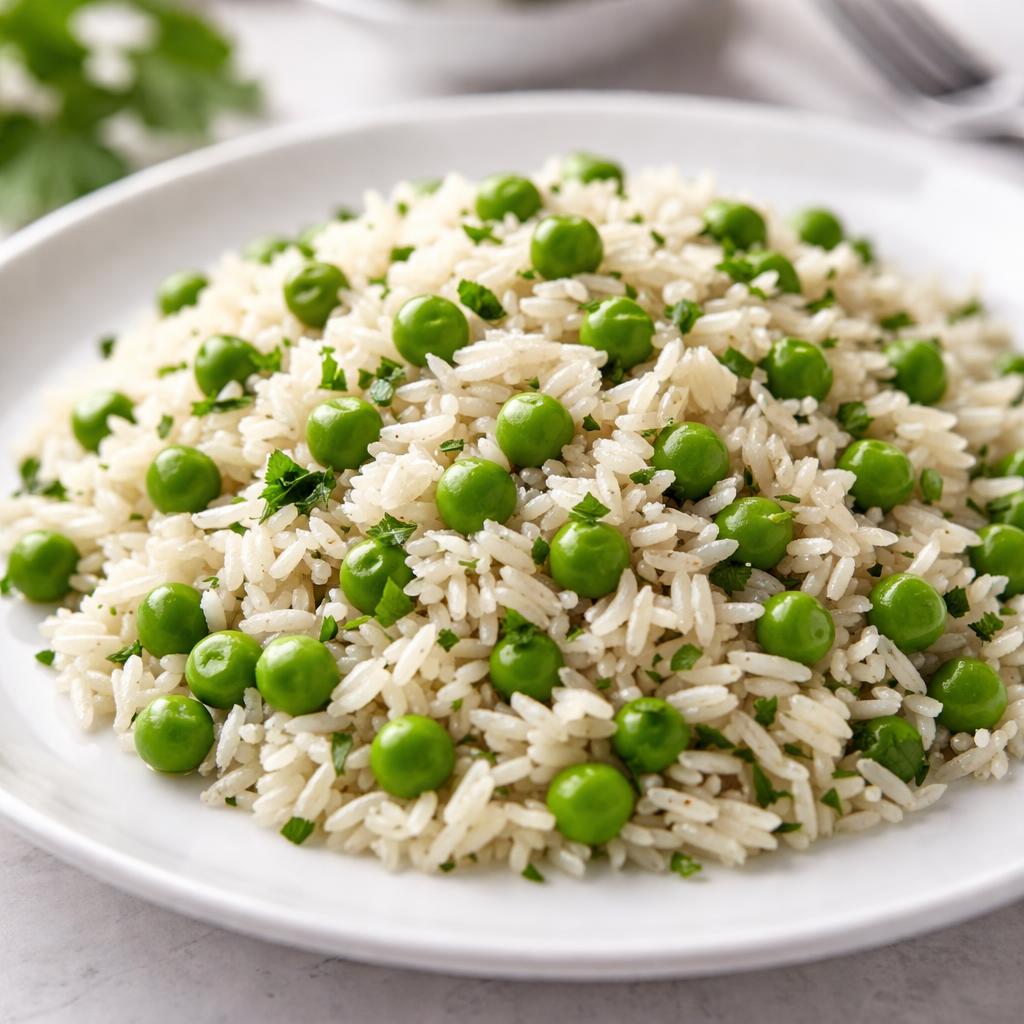
Rice And Peas
🎯 Quick Verdict
Rice pilaf is lower in calories, offering a lighter option that pairs well with protein-heavy meals. Rice and peas, on the other hand, boast slightly higher protein and fiber content due to the inclusion of legumes, making it a more nutrient-dense and filling dish. Choose rice pilaf for a low-calorie base or rice and peas for a balanced meal with additional fiber and protein benefits.

Smart Nutrition Tracking with SnapCalorie

📊 Nutritional Comparison
Macronutrients
| Nutrient | Food 1 | Food 2 | Winner |
|---|---|---|---|
| Calories | 200 | 230 | ✓ |
| Protein | 5g | 7g | ✓ |
| Carbs | 35g | 36g | ✓ |
| Fat | 4g | 6g | ✓ |
| Fiber | 1g | 3g | ✓ |
Vitamins & Minerals
| Nutrient | Food 1 | Food 2 | Winner |
|---|---|---|---|
| Vitamin A | 0mcg | 30mcg | ✓ |
| Vitamin C | 0mg | 8mg | ✓ |
| Iron | 1mg | 2mg | ✓ |
🏆 Category Winners
Protein
Food2 (rice and peas) offers 40% more protein due to legumes.
Fiber
Food2 contains triple the fiber compared to Food1.
Calories
Food1 is 13% lower in calories compared to Food2.
🥗 Diet Compatibility
Keto
Food 1: Not Compatible
Food 2: Not Compatible
Both have high carbohydrate content.
Vegan
Food 1: Compatible
Food 2: Compatible
Both are plant-based dishes.
Gluten Free
Food 1: Compatible
Food 2: Compatible
Neither contains gluten ingredients.
Paleo
Food 1: Not Compatible
Food 2: Not Compatible
Both include grains which are excluded from paleo diets.
Low-Carb
Food 1: Not Compatible
Food 2: Not Compatible
Both exceed low-carb macronutrient thresholds.
💪 Health Benefits Comparison
Food 1 Benefits
- Lower in calories for weight management
- Provides a steady source of energy
- Mild flavor pairs well with many dishes
Food 2 Benefits
- Higher protein content supports muscle repair and growth
- Rich in fiber for improved digestion
- Contains antioxidants like vitamin C for immune health
✅ The Bottom Line
Both dishes are versatile and nutritious choices, but rice pilaf is better suited for those aiming to reduce calorie intake or add a neutral-flavored base to their meal. Rice and peas provide greater protein and fiber, making it a heartier option for improving satiety and nutrient density.
Choose Food 1 for: Weight management, side dish for protein meals, light flavor
Choose Food 2 for: Increasing fiber/protein intake, balanced meals, nutrient-rich diets


