Rice Pilaf VS Red Rice
A detailed nutritional comparison
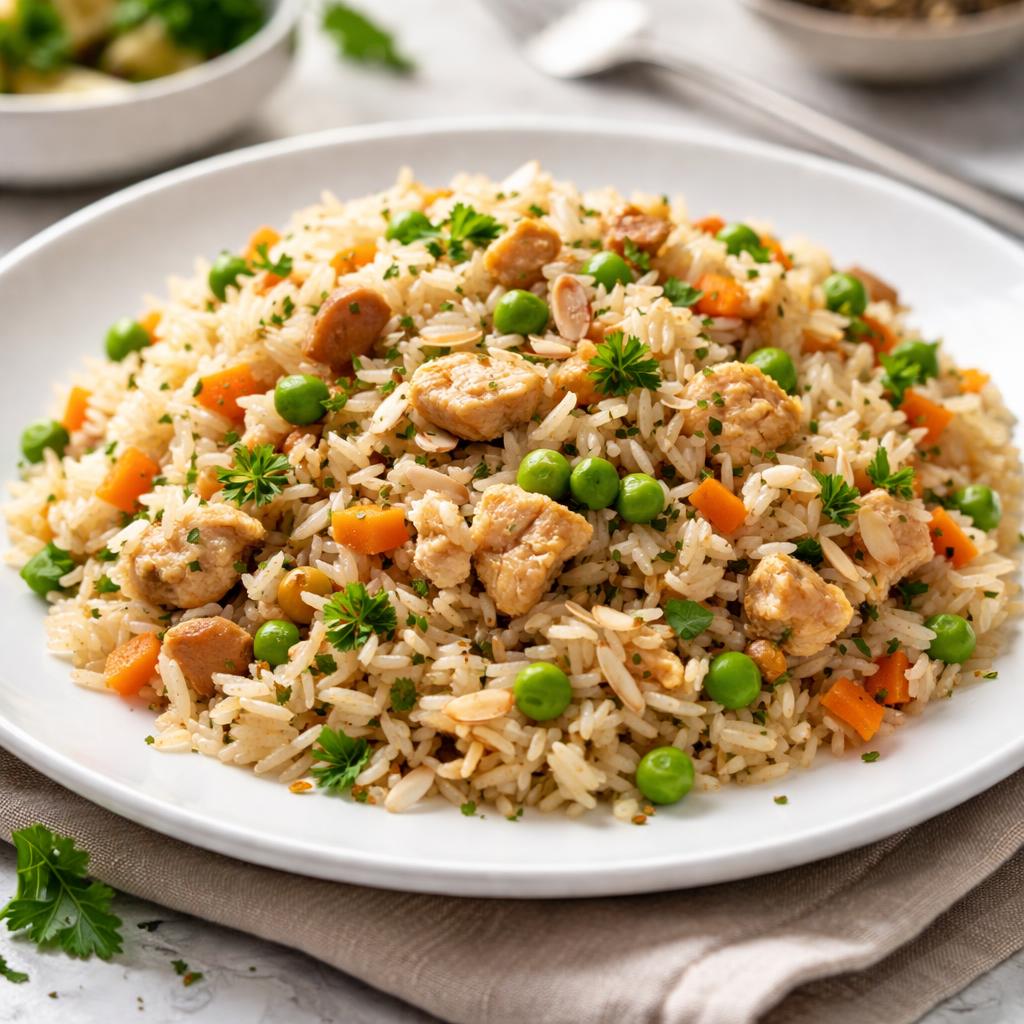
Rice Pilaf
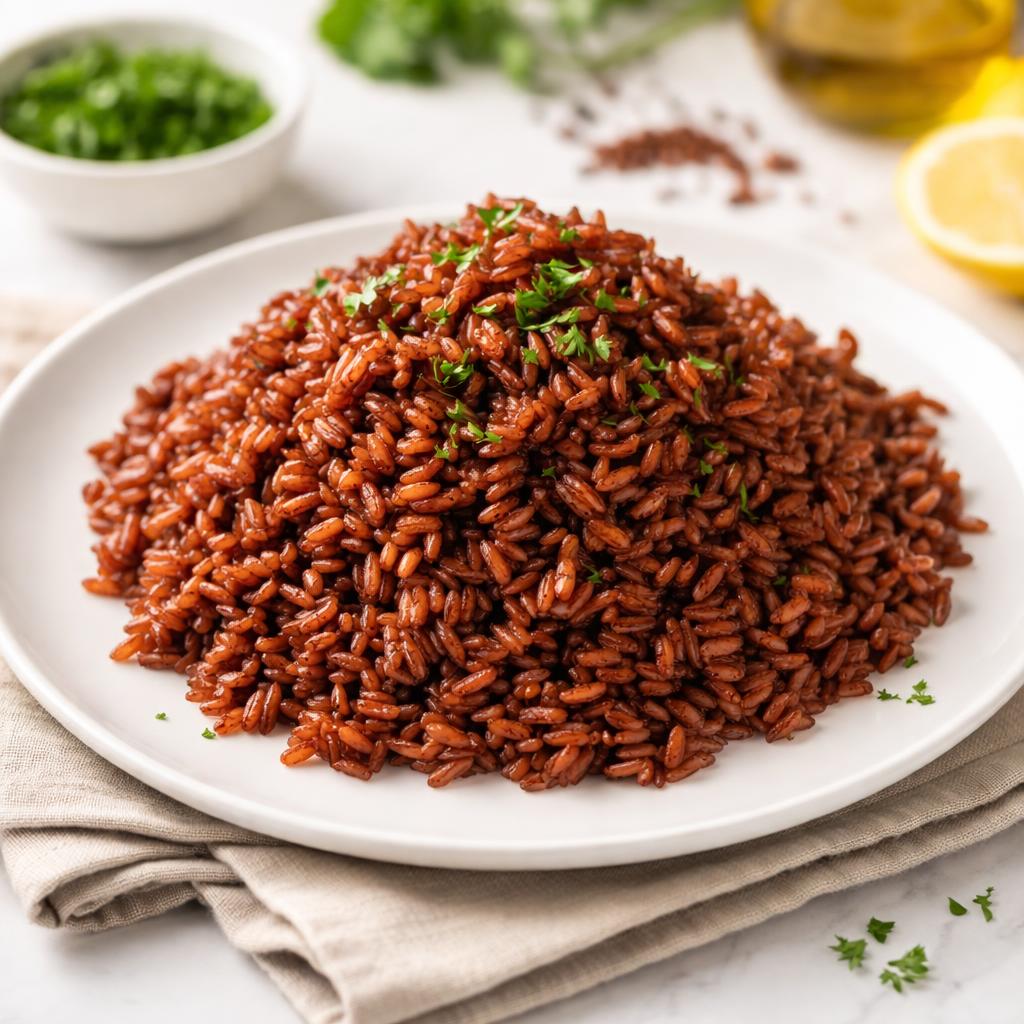
Red Rice
🎯 Quick Verdict
Red rice stands out for its fiber content and antioxidant profile, making it a better choice for overall nutrition and digestive health. Rice pilaf offers moderate protein and is higher in calories due to added ingredients like oils, spices, or broth, appealing to those looking for a more seasoned side dish. Choose red rice for a nutrient-dense option and rice pilaf for flavor and versatility in meal combinations.

Smart Nutrition Tracking with SnapCalorie

📊 Nutritional Comparison
Macronutrients
| Nutrient | Food 1 | Food 2 | Winner |
|---|---|---|---|
| Calories | 250 | 205 | ✓ |
| Protein | 5g | 5g | − |
| Carbs | 42g | 45g | ✓ |
| Fat | 8g | 1.8g | ✓ |
| Fiber | 1g | 3.5g | ✓ |
Vitamins & Minerals
| Nutrient | Food 1 | Food 2 | Winner |
|---|---|---|---|
| Vitamin B6 | 0.1mg | 0.2mg | ✓ |
| Magnesium | 18mg | 49mg | ✓ |
| Iron | 1.2mg | 2mg | ✓ |
🏆 Category Winners
Protein
Both foods have equal protein content per serving (5g).
Fiber
Red rice contains 3.5g of fiber, which is significantly higher than rice pilaf's 1g.
Calories
Red rice has 18% fewer calories compared to rice pilaf.
Vitamins
Red rice has higher levels of magnesium, iron, and vitamin B6.
🥗 Diet Compatibility
Keto
Food 1: Not Compatible
Food 2: Not Compatible
Both foods are carb-heavy options, thus not suitable for keto diets.
Vegan
Food 1: Depends
Food 2: Compatible
Rice pilaf may include non-vegan ingredients like chicken broth, while red rice is fully plant-based.
Gluten Free
Food 1: Compatible
Food 2: Compatible
Neither food contains gluten.
Paleo
Food 1: Compatible
Food 2: Compatible
Both are whole-food options generally accepted on paleo diets.
Low Carb
Food 1: Not Compatible
Food 2: Not Compatible
Both are high in carbohydrates and not suitable for low-carb diets.
💪 Health Benefits Comparison
Food 1 Benefits
- Provides a higher calorie option for energy
- Versatile side dish with added flavor from oils or broths
- Good source of moderate protein (5g per serving)
Food 2 Benefits
- High in fiber to support digestion and gut health
- Rich in antioxidants for reducing inflammation
- Provides essential minerals like magnesium and iron to support bone and muscle function
✅ The Bottom Line
Red rice is the better choice for nutrient density, especially fiber, vitamins, and minerals, making it ideal for health-focused meals. Rice pilaf is a flavorful option better suited for higher calorie meals or as a savory side dish. Choose red rice for a wholesome, standalone grain and rice pilaf for versatility and taste in mixed dishes.
Choose Food 1 for: Flavorful side dishes, moderate calorie meals, mixed bowls
Choose Food 2 for: High-fiber diets, plant-based meals, nutrient-dense choices


