Rice Pilaf VS Lebanese Bread
A detailed nutritional comparison
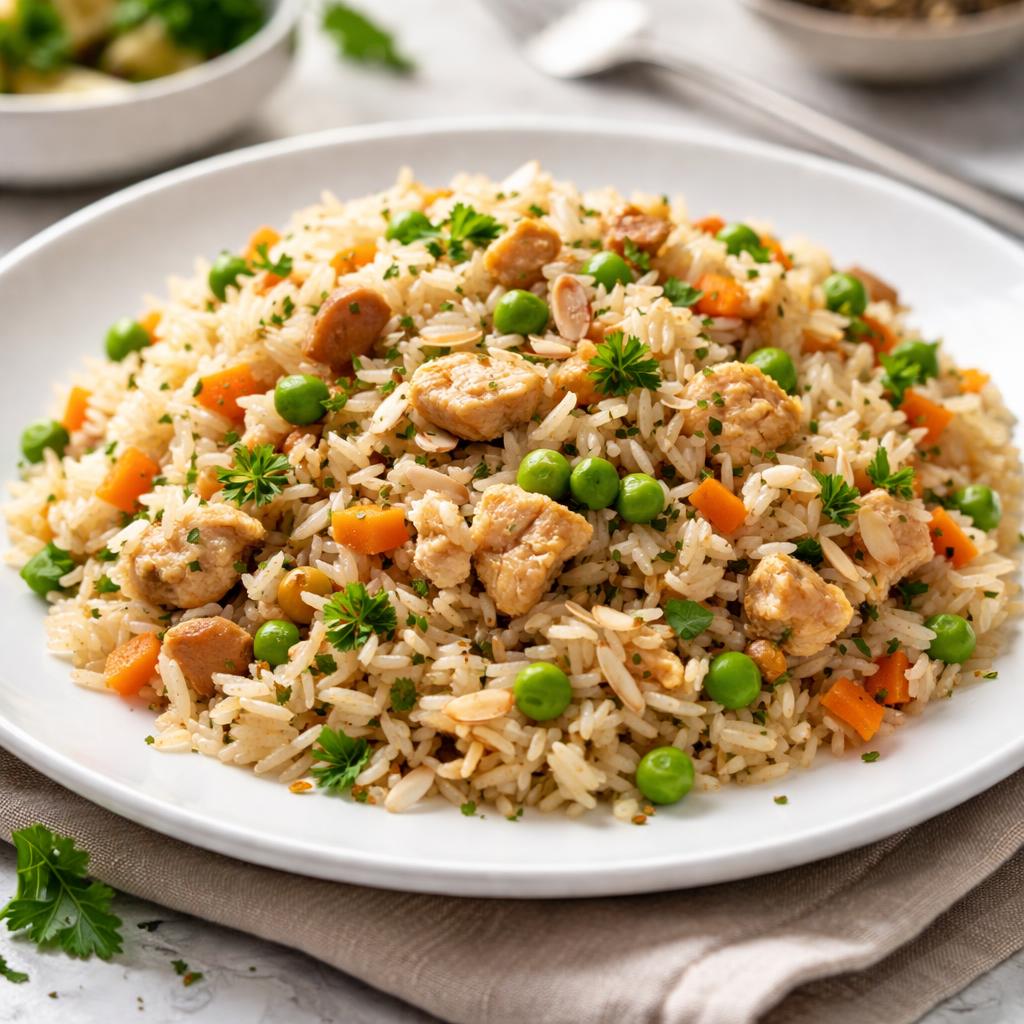
Rice Pilaf
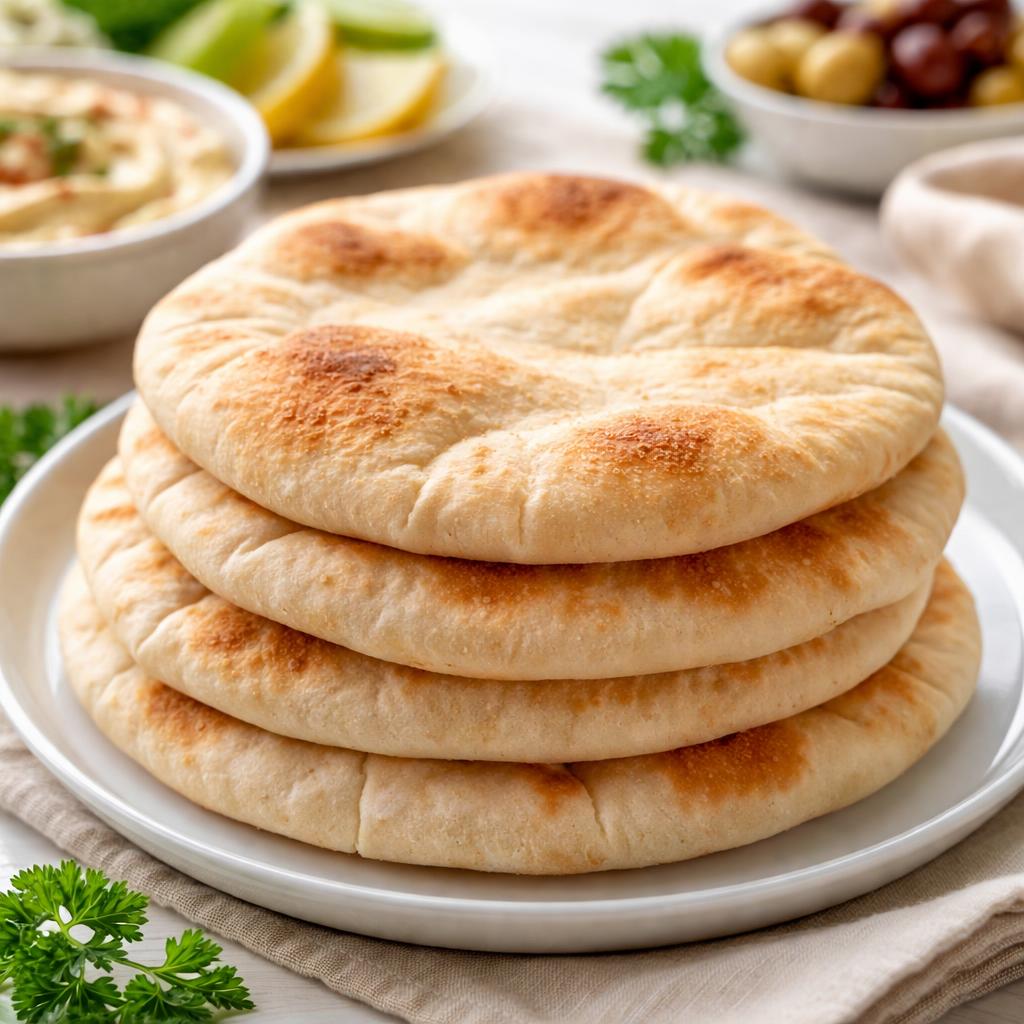
Lebanese Bread
🎯 Quick Verdict
Rice pilaf is higher in protein and contains more nutrients like calcium and iron, making it a better option for post-workout recovery and boosting muscle maintenance. Lebanese bread, on the other hand, is lower in calories, higher in fiber, and provides a sustained energy source, making it ideal for weight management and heart health diets. Both are great carb sources but serve different purposes depending on dietary needs.

Smart Nutrition Tracking with SnapCalorie

📊 Nutritional Comparison
Macronutrients
| Nutrient | Food 1 | Food 2 | Winner |
|---|---|---|---|
| Calories | 250 | 170 | ✓ |
| Protein | 6g | 5g | ✓ |
| Carbs | 43g | 34g | ✓ |
| Fat | 5g | 1g | ✓ |
| Fiber | 1g | 2g | ✓ |
Vitamins & Minerals
| Nutrient | Food 1 | Food 2 | Winner |
|---|---|---|---|
| Vitamin D | 0mcg | 0mcg | − |
| Calcium | 25mg | 15mg | ✓ |
| Iron | 2mg | 1mg | ✓ |
🏆 Category Winners
Protein
Rice pilaf has slightly more protein per serving.
Fiber
Lebanese bread contains double the fiber for better digestion.
Calories
Lebanese bread is lower in calories by approximately 32%.
Vitamins
Rice pilaf provides more essential vitamins and minerals like iron and calcium.
🥗 Diet Compatibility
Keto
Food 1: Not Compatible
Food 2: Not Compatible
Both are high in carbs, making them unsuitable for keto diets.
Vegan
Food 1: Compatible
Food 2: Compatible
Both are plant-based and free of animal products.
Gluten Free
Food 1: Compatible
Food 2: Not Compatible
Rice pilaf is gluten-free, while Lebanese bread contains gluten.
Paleo
Food 1: Not Compatible
Food 2: Not Compatible
Neither aligns with strict paleo diets due to their grain-based content.
Low-Carb
Food 1: Not Compatible
Food 2: Not Compatible
Both foods are relatively high-carb.
💪 Health Benefits Comparison
Food 1 Benefits
- Higher in protein, supporting muscle recovery
- Contains iron to help maintain healthy red blood cells
- Provides moderate amounts of calcium for bone health
Food 2 Benefits
- Lower in calories, supporting weight management
- Rich in fiber for improved digestion
- Low in fat, promoting heart health
✅ The Bottom Line
Choose rice pilaf for its higher protein and nutrient content, especially if you need post-workout recovery or are looking for a gluten-free option. Opt for Lebanese bread if you're aiming to reduce calories, increase fiber intake, or want a lighter meal accompaniment for heart health or weight management.
Choose Food 1 for: Post-workout, nutrient-rich meals, gluten-free diets
Choose Food 2 for: Weight management, lighter carb options, sustained energy


