Rice Pilaf VS Cream Of Wheat
A detailed nutritional comparison
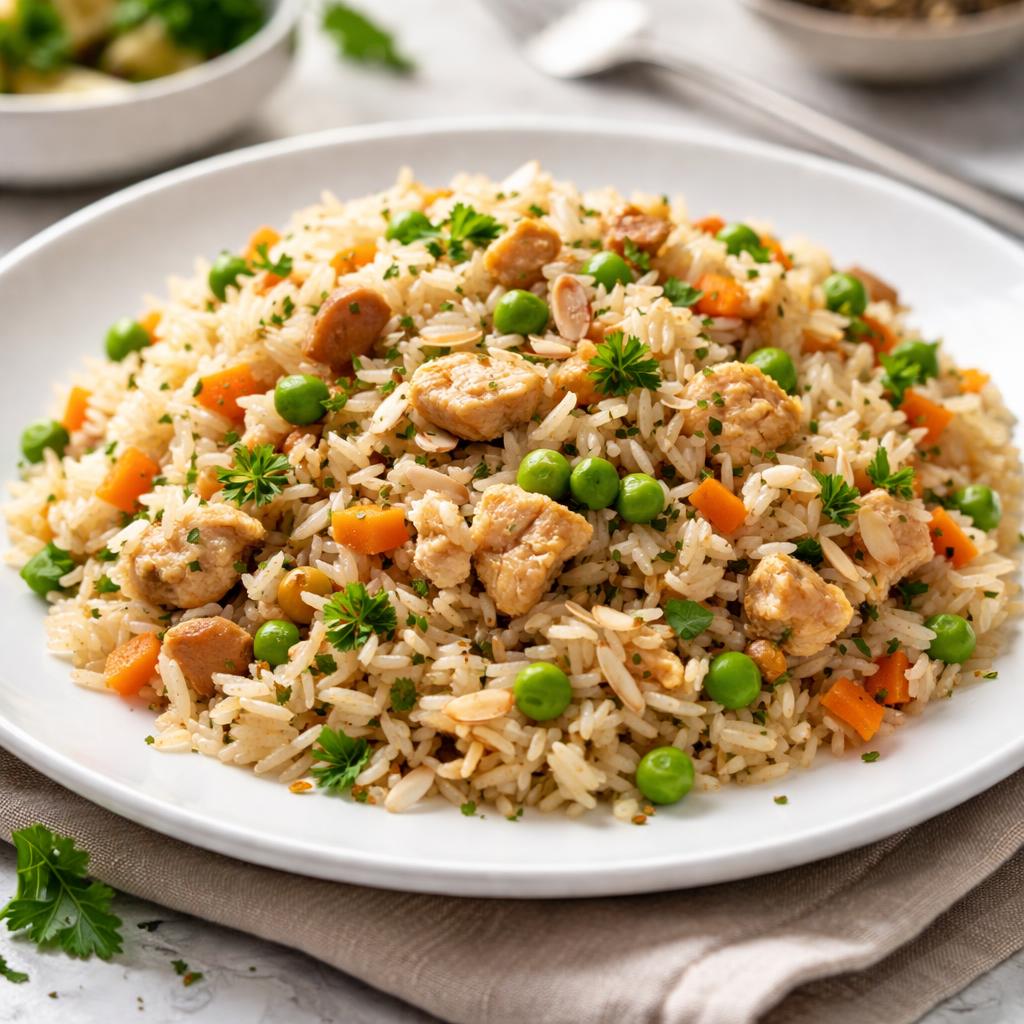
Rice Pilaf
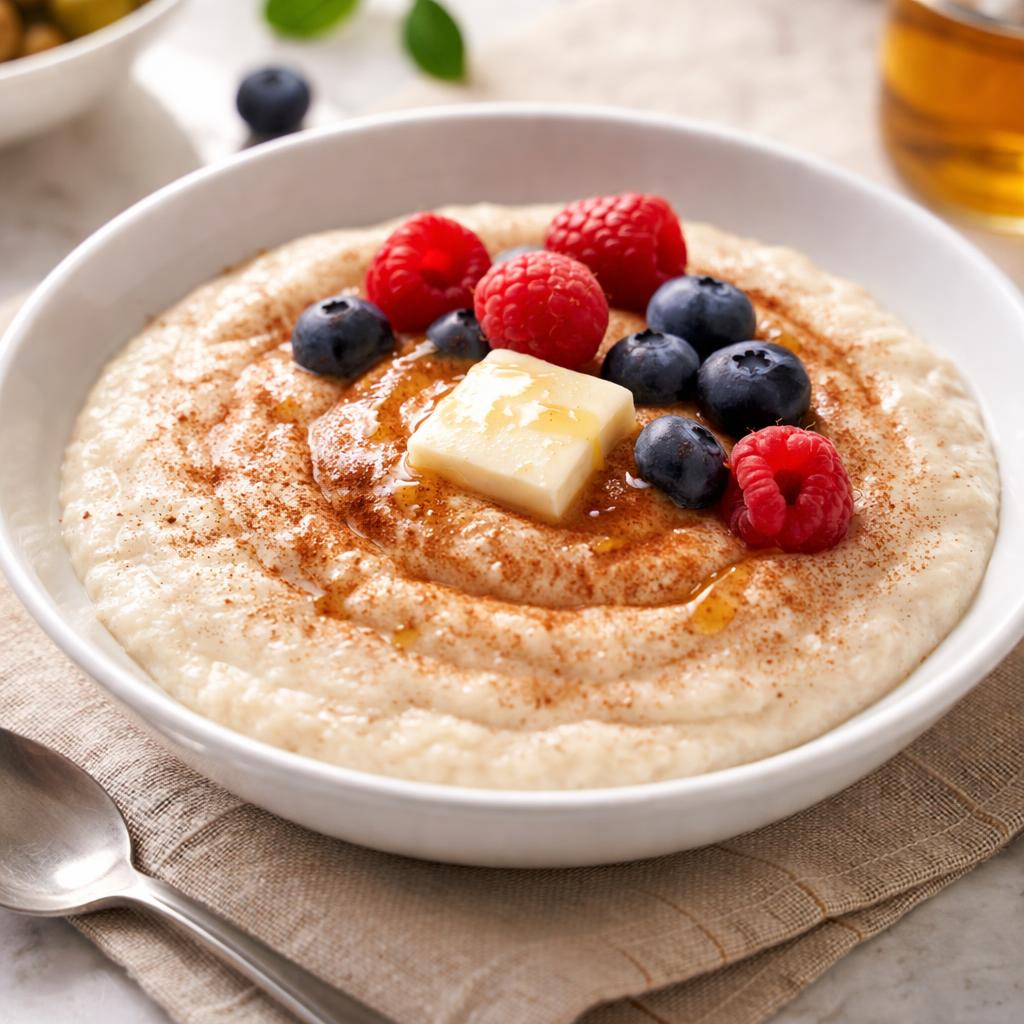
Cream Of Wheat
🎯 Quick Verdict
Rice pilaf is slightly more nutrient-dense, offering higher protein and fiber, making it more filling and better for digestive health. Cream of wheat has fewer calories per serving, making it a good option for those managing their caloric intake. Both foods serve different dietary needs and preferences based on their nutritional profiles.

Smart Nutrition Tracking with SnapCalorie

📊 Nutritional Comparison
Macronutrients
| Nutrient | Food 1 | Food 2 | Winner |
|---|---|---|---|
| Calories | 250 | 123 | ✓ |
| Protein | 6g | 4g | ✓ |
| Carbs | 45g | 26g | ✓ |
| Fat | 5g | 0.5g | ✓ |
| Fiber | 2g | 0.5g | ✓ |
Vitamins & Minerals
| Nutrient | Food 1 | Food 2 | Winner |
|---|---|---|---|
| Vitamin B6 | 0.1mg | 0.05mg | ✓ |
| Folate | 15mcg | 95mcg | ✓ |
| Iron | 1.5mg | 6mg | ✓ |
🏆 Category Winners
Protein
Rice pilaf has 50% more protein than cream of wheat.
Fiber
Rice pilaf offers four times the fiber content of cream of wheat.
Calories
Cream of wheat contains roughly half the calories of rice pilaf, making it lower-calorie.
Vitamins
Cream of wheat is fortified with higher levels of folate and iron.
🥗 Diet Compatibility
Keto
Food 1: Not Compatible
Food 2: Not Compatible
Both are high-carb foods.
Vegan
Food 1: Compatible
Food 2: Compatible
Neither contains animal products.
Gluten Free
Food 1: Compatible
Food 2: Not Compatible
Rice pilaf is typically gluten-free if prepared without additives, while cream of wheat contains wheat.
Paleo
Food 1: Not Compatible
Food 2: Not Compatible
Both are grain-based and excluded from typical paleo diets.
Low Carb
Food 1: Not Compatible
Food 2: Not Compatible
Both are high in carbohydrates and unsuitable for low-carb diets.
💪 Health Benefits Comparison
Food 1 Benefits
- Good source of complex carbohydrates for sustained energy
- Higher protein content supports muscle maintenance
- Provides fiber for better digestion
Food 2 Benefits
- Lower calorie option for weight management
- Fortified with iron to support red blood cell production
- Rich in folate, essential for cell development and repair
✅ The Bottom Line
Rice pilaf is the better choice for those seeking a filling and nutrient-dense meal due to its higher protein and fiber content. Cream of wheat, with its lower-calorie profile and fortified nutrients, is best suited for individuals managing caloric intake or seeking extra iron and folate in their diets.
Choose Food 1 for: Active individuals, weight maintenance, digestive health
Choose Food 2 for: Low-calorie diets, those needing extra iron, breakfast meals


