Rice Pilaf VS Basmati Rice
A detailed nutritional comparison
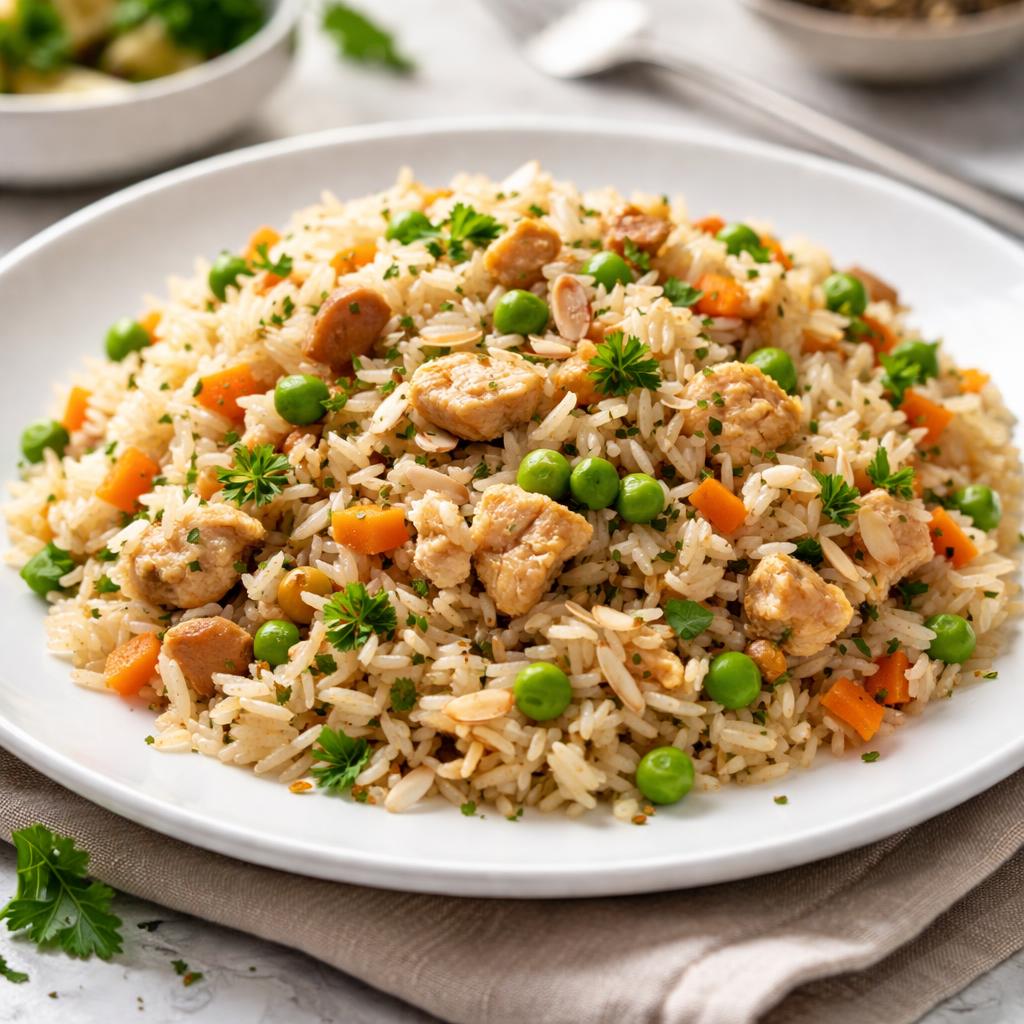
Rice Pilaf
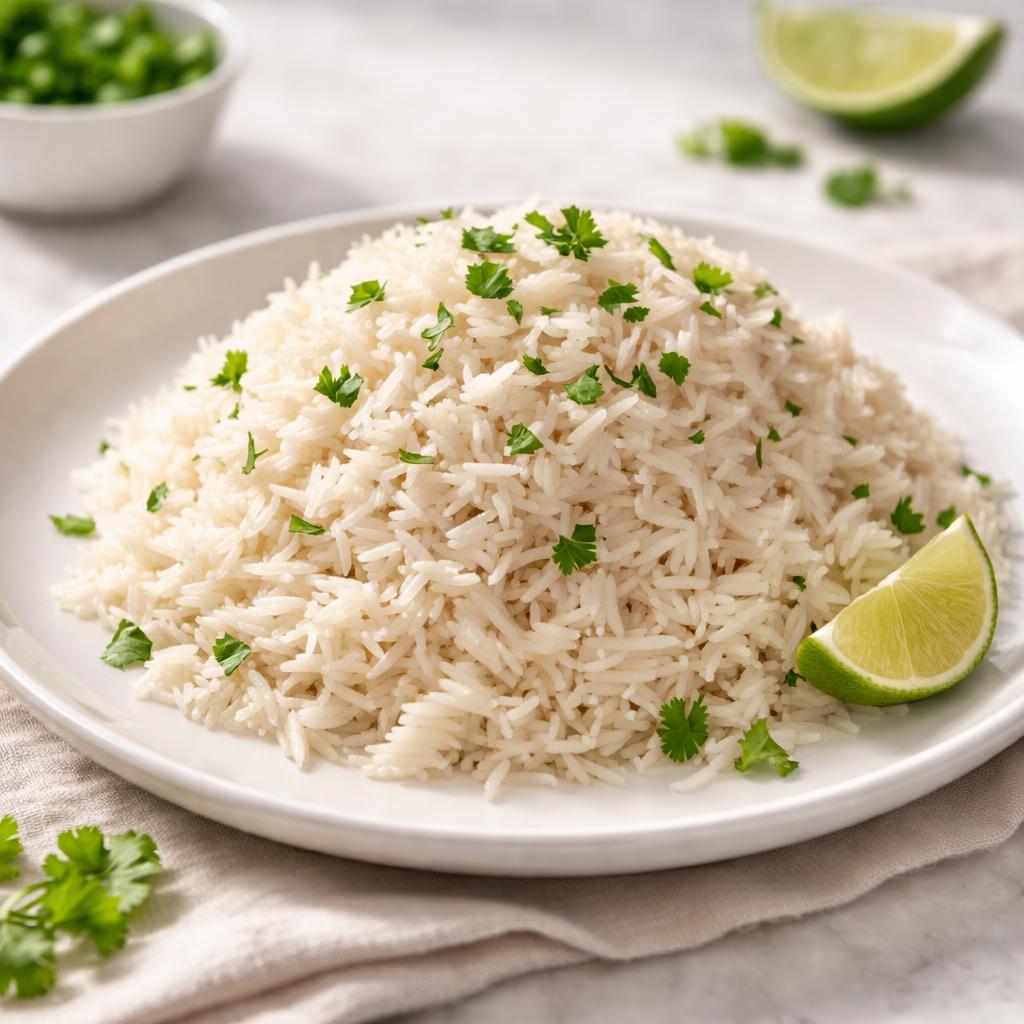
Basmati Rice
🎯 Quick Verdict
Rice pilaf offers more protein and fiber due to added ingredients like vegetables and seasonings, but comes with more calories and fats compared to plain basmati rice. Basmati rice is a lower-calorie option and serves as a versatile base for meals, ideal for those seeking simplicity or on calorie-controlled diets.

Smart Nutrition Tracking with SnapCalorie

📊 Nutritional Comparison
Macronutrients
| Nutrient | Food 1 | Food 2 | Winner |
|---|---|---|---|
| Calories | 200 | 180 | ✓ |
| Protein | 6g | 4g | ✓ |
| Carbs | 35g | 40g | ✓ |
| Fat | 3g | 0.5g | ✓ |
| Fiber | 3g | 1g | ✓ |
Vitamins & Minerals
| Nutrient | Food 1 | Food 2 | Winner |
|---|---|---|---|
| Vitamin C | 2mg | 0mg | ✓ |
| Vitamin A | 20mcg | 0mcg | ✓ |
| Iron | 1.5mg | 0.5mg | ✓ |
| Calcium | 30mg | 10mg | ✓ |
🏆 Category Winners
Protein
Rice pilaf contains added ingredients such as nuts or vegetables, boosting its protein content.
Fiber
Rice pilaf provides 3g of fiber per serving, making it more suitable for digestion support.
Calories
Basmati rice has approximately 10% fewer calories per serving.
Vitamins
The addition of vegetables and seasonings in rice pilaf increases its vitamin content.
🥗 Diet Compatibility
Keto
Food 1: Not Compatible
Food 2: Not Compatible
Both are high-carb foods and unsuitable for ketogenic diets.
Vegan
Food 1: Compatible
Food 2: Compatible
Both are plant-based when prepared without animal products.
Gluten Free
Food 1: Compatible
Food 2: Compatible
Neither contains gluten, but ensure rice pilaf has no gluten-containing additives.
Paleo
Food 1: Conditionally Compatible
Food 2: Compatible
Basmati rice aligns with paleo for some interpretations; pilaf may include non-paleo ingredients.
Low-Carb
Food 1: Not Compatible
Food 2: Not Compatible
Neither food is low in carbohydrates.
💪 Health Benefits Comparison
Food 1 Benefits
- Higher protein content for muscle maintenance.
- Rich in fiber for better digestion and satiety.
- Contains vitamins and minerals (like Vitamin A and Iron) from additional ingredients.
Food 2 Benefits
- Low-calorie option for weight management.
- Easy-to-digest carbohydrate source for energy.
- Minimal fat content supports heart-healthy diets.
✅ The Bottom Line
For a nutrient-rich and flavorful side dish, rice pilaf is the choice due to its higher fiber, protein, and vitamin content. However, if you’re aiming for simplicity, fewer calories, and a versatile base ingredient, basmati rice is ideal.
Choose Food 1 for: Family meals, nutrient-dense side dishes, higher protein intake.
Choose Food 2 for: Low-calorie, low-fat meals, meal prep base, traditional recipes.


