Rice Pilaf VS Barley
A detailed nutritional comparison
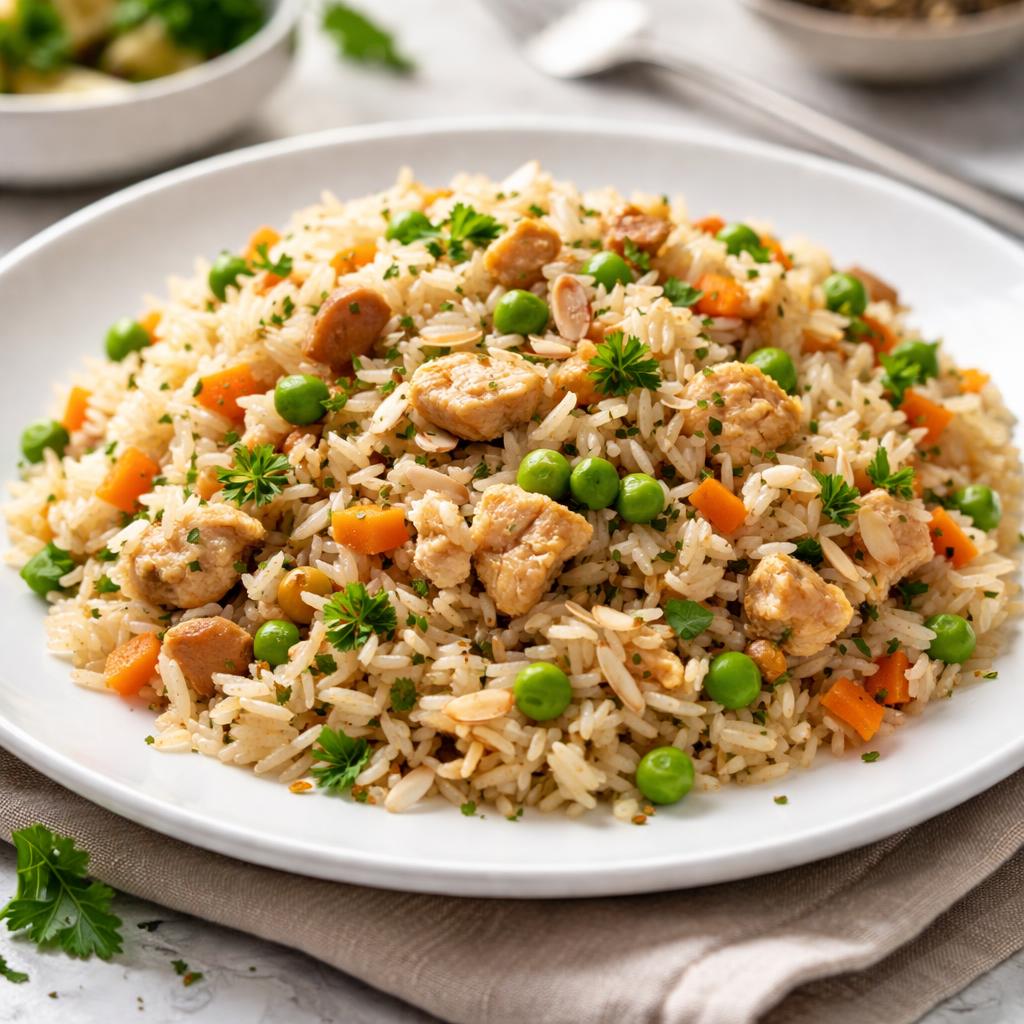
Rice Pilaf
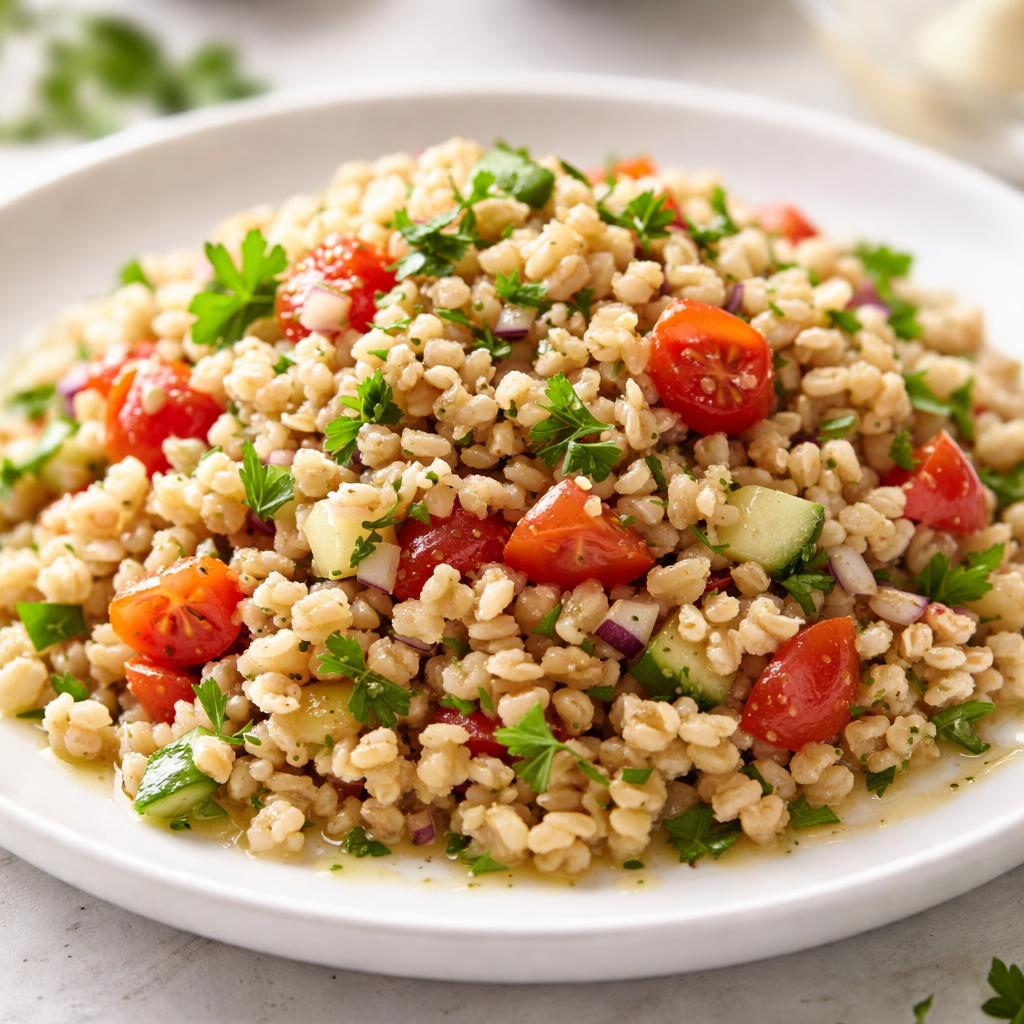
Barley
🎯 Quick Verdict
Rice pilaf is lower in calories and easier to digest, making it a lighter option for weight control or quick meals. Barley provides more protein and fiber, making it better for sustained energy and digestive health. Both are versatile grains; rice pilaf works well in lighter dishes, while barley excels in heartier, nutrient-dense meals.

Smart Nutrition Tracking with SnapCalorie

📊 Nutritional Comparison
Macronutrients
| Nutrient | Food 1 | Food 2 | Winner |
|---|---|---|---|
| Calories | 200 per cup | 193 per cup | ✓ |
| Protein | 4g per cup | 6g per cup | ✓ |
| Carbs | 38g per cup | 44g per cup | ✓ |
| Fat | 5g per cup | 0.4g per cup | ✓ |
| Fiber | 1g per cup | 6g per cup | ✓ |
Vitamins & Minerals
| Nutrient | Food 1 | Food 2 | Winner |
|---|---|---|---|
| Vitamin B6 | 0.1mg | 0.3mg | ✓ |
| Vitamin E | 0.2mg | 0mg | ✓ |
| Magnesium | 14mg | 35mg | ✓ |
| Potassium | 70mg | 150mg | ✓ |
🏆 Category Winners
Protein
Barley has 50% more protein than rice pilaf.
Fiber
Barley contains 6 times more fiber than rice pilaf.
Calories
While slightly higher in calories, the nutrient-density of barley makes it a better choice overall.
Vitamins
Barley is richer in vitamins and minerals, particularly B6, magnesium, and potassium.
🥗 Diet Compatibility
Keto
Food 1: Not Compatible
Food 2: Not Compatible
Both foods are high in carbs and not suitable for keto diets.
Vegan
Food 1: Compatible
Food 2: Compatible
Both foods are plant-based.
Gluten Free
Food 1: Compatible
Food 2: Not Compatible
Rice pilaf is gluten-free, while barley contains gluten.
Paleo
Food 1: Not Compatible
Food 2: Not Compatible
Grains are not allowed on strict paleo diets.
Low Carb
Food 1: Not Compatible
Food 2: Not Compatible
Both foods are high in carbs.
💪 Health Benefits Comparison
Food 1 Benefits
- Provides quick energy from carbohydrates
- Easier to digest than barley
- Contains a small amount of Vitamin E for cell protection
Food 2 Benefits
- Rich in dietary fiber for digestive health
- Provides sustained energy due to lower glycemic index
- Higher protein content supports muscle maintenance
- Great source of minerals like magnesium and potassium for heart health
✅ The Bottom Line
Choose rice pilaf for lighter meals, digestive comfort, and gluten-free diets, as it is low in fiber and easy on the stomach. Opt for barley when prioritizing nutrient density, higher protein, and fiber, as well as heart health and sustained energy for active lifestyles.
Choose Food 1 for: Light meals, gluten-free diets, weight control
Choose Food 2 for: High-fiber needs, heart health, nutrient-dense meals, sustained energy


