Rice Noodles VS Bread Bun
A detailed nutritional comparison
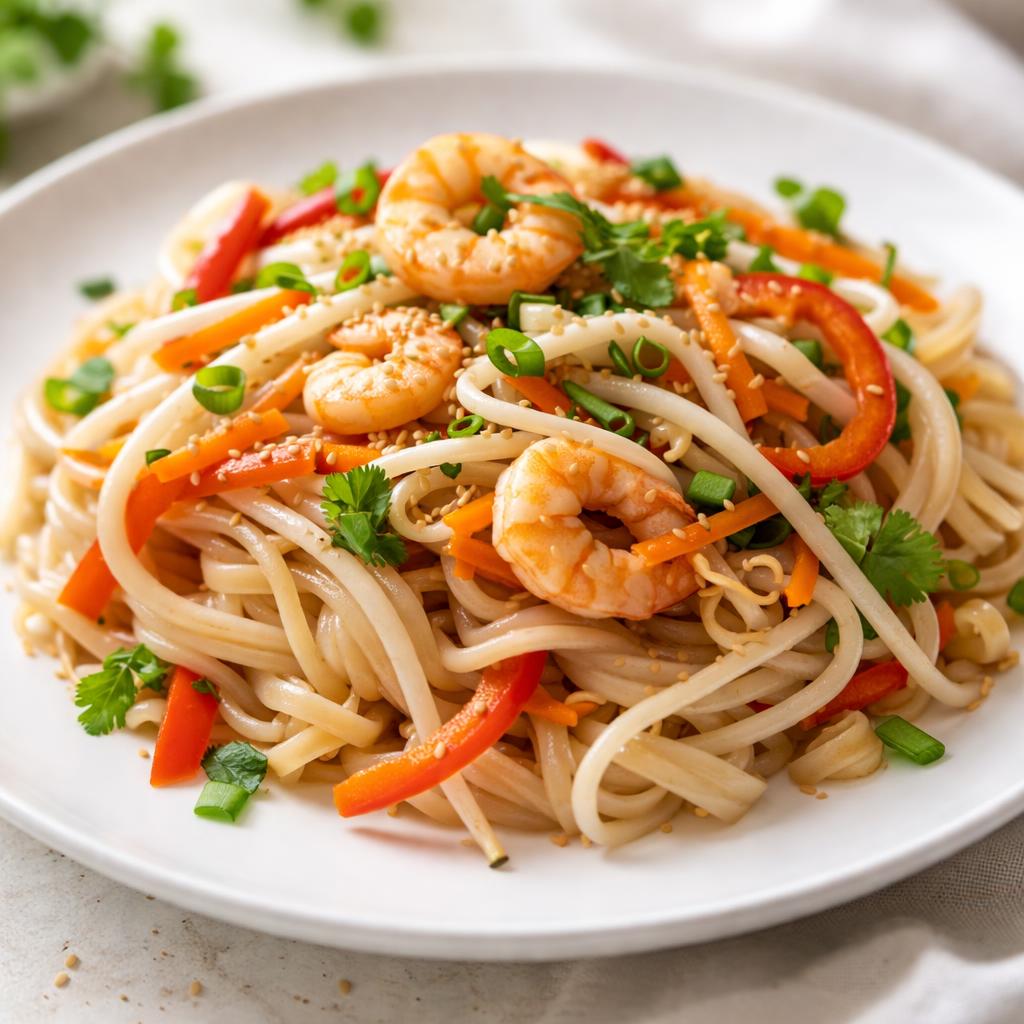
Rice Noodles
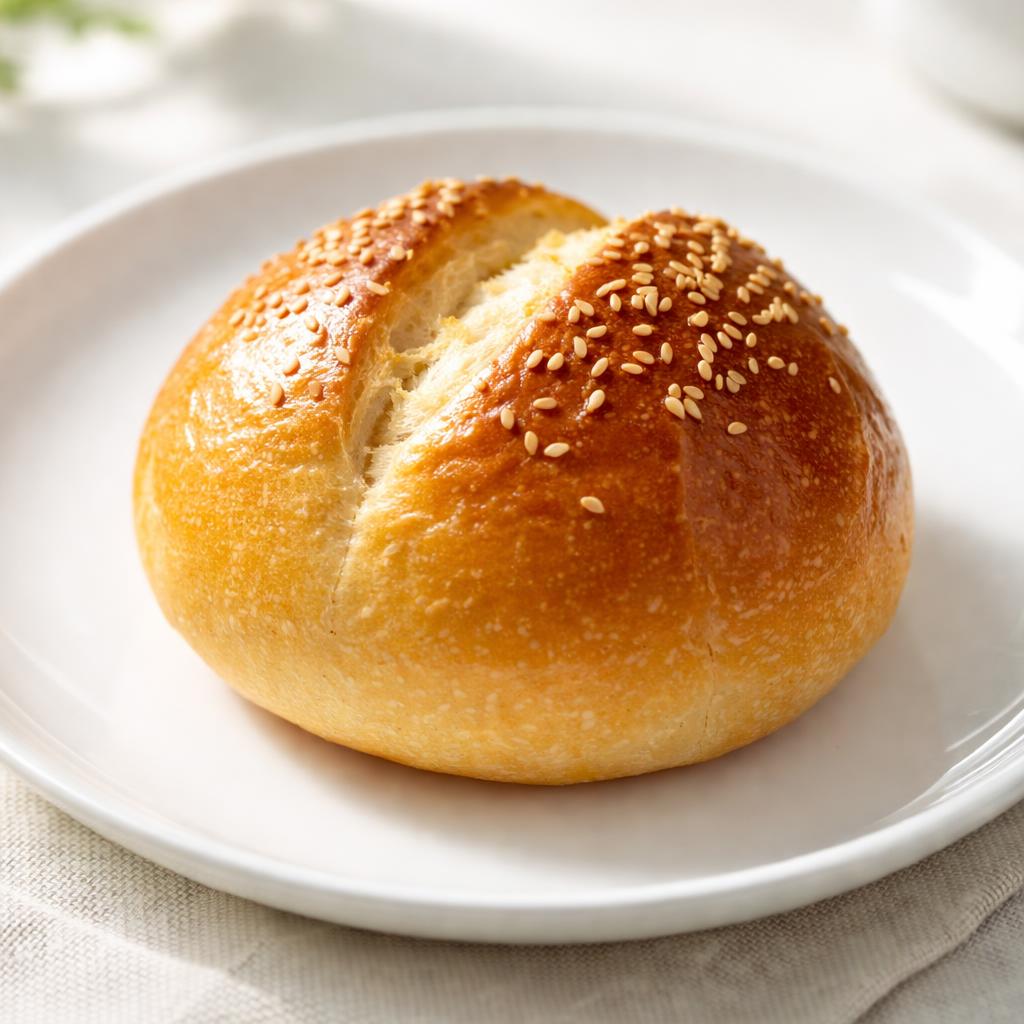
Bread Bun
🎯 Quick Verdict
Rice noodles are lighter in calories and better for low-fat or lower-energy meals, while bread buns provide more protein and fiber, making them a denser nutritional option. Rice noodles are gluten-free and ideal for specific diets, whereas bread buns are versatile but less suitable for gluten-sensitive individuals.

Smart Nutrition Tracking with SnapCalorie

📊 Nutritional Comparison
Macronutrients
| Nutrient | Food 1 | Food 2 | Winner |
|---|---|---|---|
| Calories | 190kcal (per 1 cup cooked) | 260kcal (per medium bun) | − |
| Protein | 3g | 8g | − |
| Carbs | 42g | 48g | − |
| Fat | 0.5g | 4g | − |
| Fiber | 1g | 2g | − |
Vitamins & Minerals
| Nutrient | Food 1 | Food 2 | Winner |
|---|---|---|---|
| Vitamin B6 | 0.06mg | 0.1mg | − |
| Sodium | 3mg | 200mg | − |
| Iron | 0.2mg | 2mg | − |
🏆 Category Winners
Protein
Bread buns contain over double the protein per serving compared to rice noodles.
Fiber
Bread buns provide twice as much fiber as rice noodles.
Calories
Rice noodles are 27% lower in calories.
Vitamins
Bread buns have more vitamin B6 and iron, key for energy metabolism and blood health.
🥗 Diet Compatibility
Keto
Food 1: Not Compatible
Food 2: Not Compatible
Both foods are high in carbs and not suitable for keto diets.
Vegan
Food 1: Compatible
Food 2: Compatible
Both foods are plant-based and suitable for vegans.
Gluten Free
Food 1: Compatible
Food 2: Not Compatible
Rice noodles are naturally gluten-free, while bread buns typically contain wheat.
Paleo
Food 1: Not Compatible
Food 2: Not Compatible
Both are processed foods not suitable for paleo diets.
Low-Carb
Food 1: Not Compatible
Food 2: Not Compatible
Both contain over 40g of carbs per serving.
💪 Health Benefits Comparison
Food 1 Benefits
- Low in fat and calories for weight management
- Gluten-free, ideal for gluten-sensitive diets
- Easily digestible and gentle on the stomach
Food 2 Benefits
- Rich in protein for muscle maintenance
- Higher in fiber for better digestion
- Provides essential minerals like iron and vitamin B6 for energy support
✅ The Bottom Line
Rice noodles are a lighter, gluten-free option suitable for low-fat or simple meals. Bread buns, rich in protein and fiber, are better for nutrient density and satiety. Choose rice noodles for delicate recipes or gluten-free needs, and bread buns for energy-dense, versatile meals.
Choose Food 1 for: Low-calorie meals, gluten-free diets, light digestion
Choose Food 2 for: Higher-energy needs, post-workout meals, general nutrition


