Rice Cakes VS Seafood Pasta
A detailed nutritional comparison
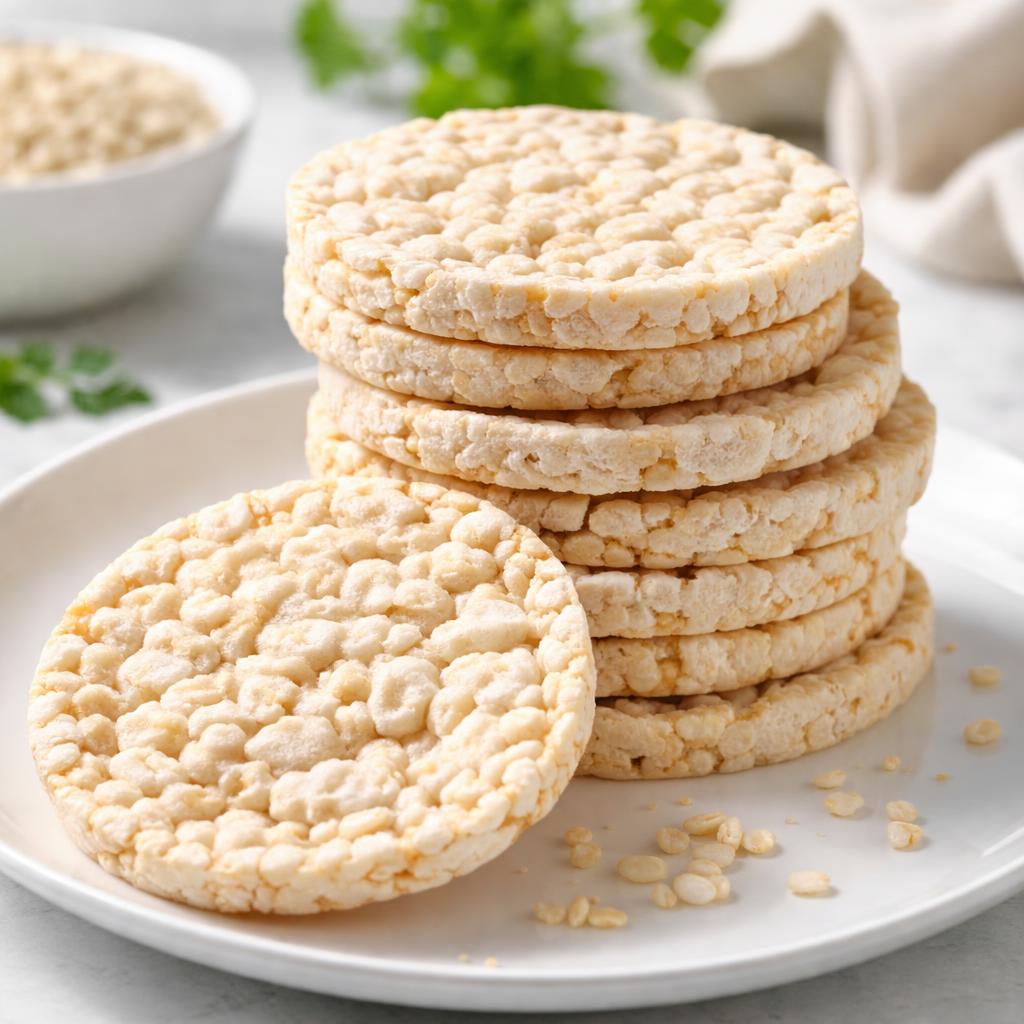
Rice Cakes
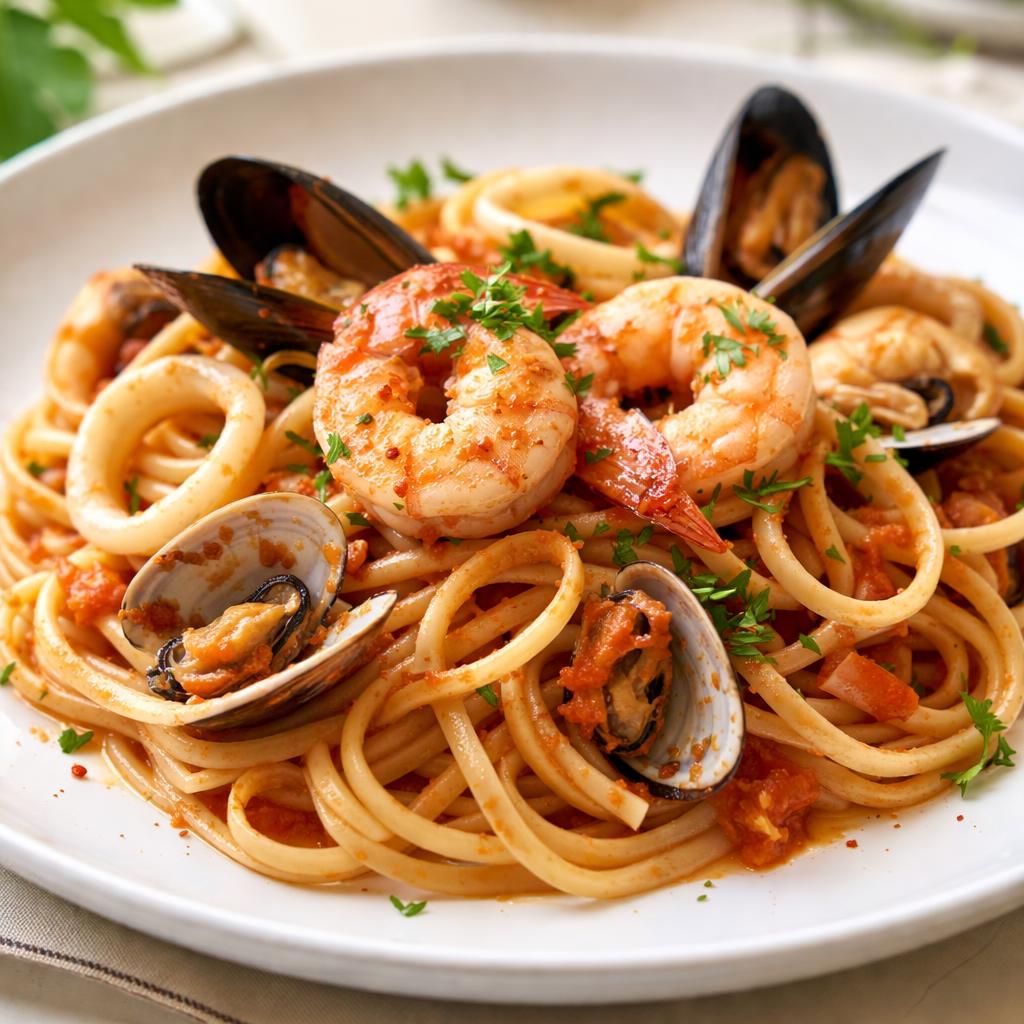
Seafood Pasta
🎯 Quick Verdict
Rice cakes are a low-calorie, low-nutrient snack ideal for light diets, whereas seafood pasta is a nutrient-dense meal rich in protein, fiber, and vitamins. Depending on your dietary goals, rice cakes suit weight loss plans, while seafood pasta supports balanced, energy-packed meals.

Smart Nutrition Tracking with SnapCalorie

📊 Nutritional Comparison
Macronutrients
| Nutrient | Food 1 | Food 2 | Winner |
|---|---|---|---|
| Calories | 35 per cake | 350 per serving | ✓ |
| Protein | 0.6g per cake | 20g per serving | ✓ |
| Carbs | 7.3g per cake | 40g per serving | ✓ |
| Fat | 0g per cake | 12g per serving | ✓ |
| Fiber | 0.2g per cake | 3g per serving | ✓ |
Vitamins & Minerals
| Nutrient | Food 1 | Food 2 | Winner |
|---|---|---|---|
| Vitamin D | 0mcg | 2mcg | ✓ |
| Calcium | 0mg | 50mg | ✓ |
| Iron | 0.2mg per cake | 3mg per serving | ✓ |
🏆 Category Winners
Protein
Seafood pasta offers 20g of protein per serving compared to 0.6g in rice cakes.
Fiber
Seafood pasta contains 3g of fiber per serving, significantly more than rice cakes’ 0.2g.
Calories
Rice cakes are very low in calories (35 per cake) compared to seafood pasta’s 350 per serving.
🥗 Diet Compatibility
Keto
Food 1: Not Compatible
Food 2: Not Compatible
Both foods are high in carbs.
Vegan
Food 1: Compatible
Food 2: Not Compatible
Rice cakes are plant-based, while seafood pasta contains animal protein.
Gluten Free
Food 1: Compatible
Food 2: Not Compatible
Rice cakes are typically gluten-free, while seafood pasta usually contains wheat.
Paleo
Food 1: Not Compatible
Food 2: Not Compatible
Rice cakes are processed, and seafood pasta contains gluten and dairy.
Low-Carb
Food 1: Not Compatible
Food 2: Not Compatible
Both foods exceed typical low-carb limits due to their high carb content.
💪 Health Benefits Comparison
Food 1 Benefits
- Very low in calories, supporting weight management
- Simple carbs for quick energy
- Gluten-free option for sensitive individuals
Food 2 Benefits
- Rich in protein for muscle repair and maintenance
- Provides essential nutrients like Vitamin D and iron
- Contains fiber, supporting digestive health
✅ The Bottom Line
Rice cakes are ideal for those seeking low-calorie, quick snacks, while seafood pasta is a nutrient-packed meal suitable for active lifestyles and balanced diets. Choose rice cakes for light eating and seafood pasta for hearty, protein-rich meals.
Choose Food 1 for: Low-calorie snacks, gluten-free diets, quick-carb energy boost
Choose Food 2 for: Balanced meals, protein-rich diets, post-workout recovery


