Rice Cakes VS Rice Salad
A detailed nutritional comparison
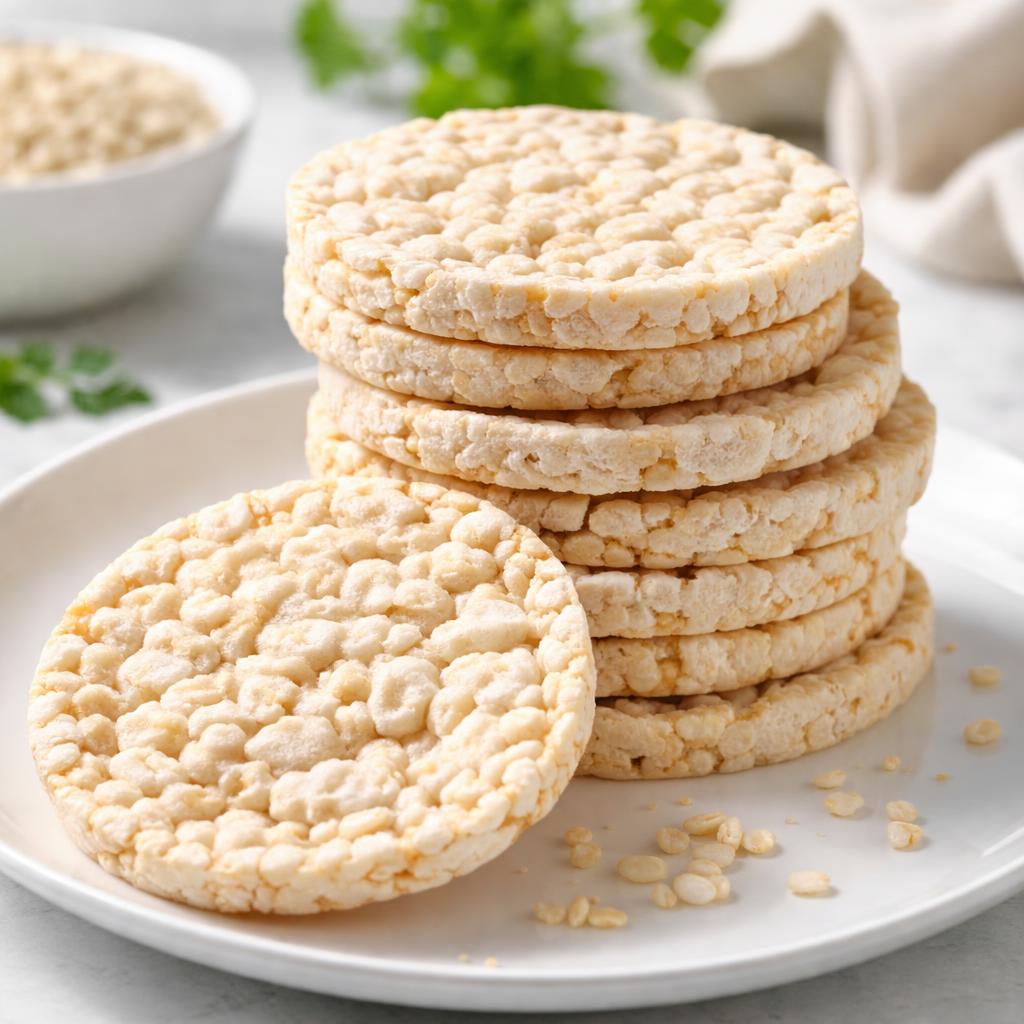
Rice Cakes
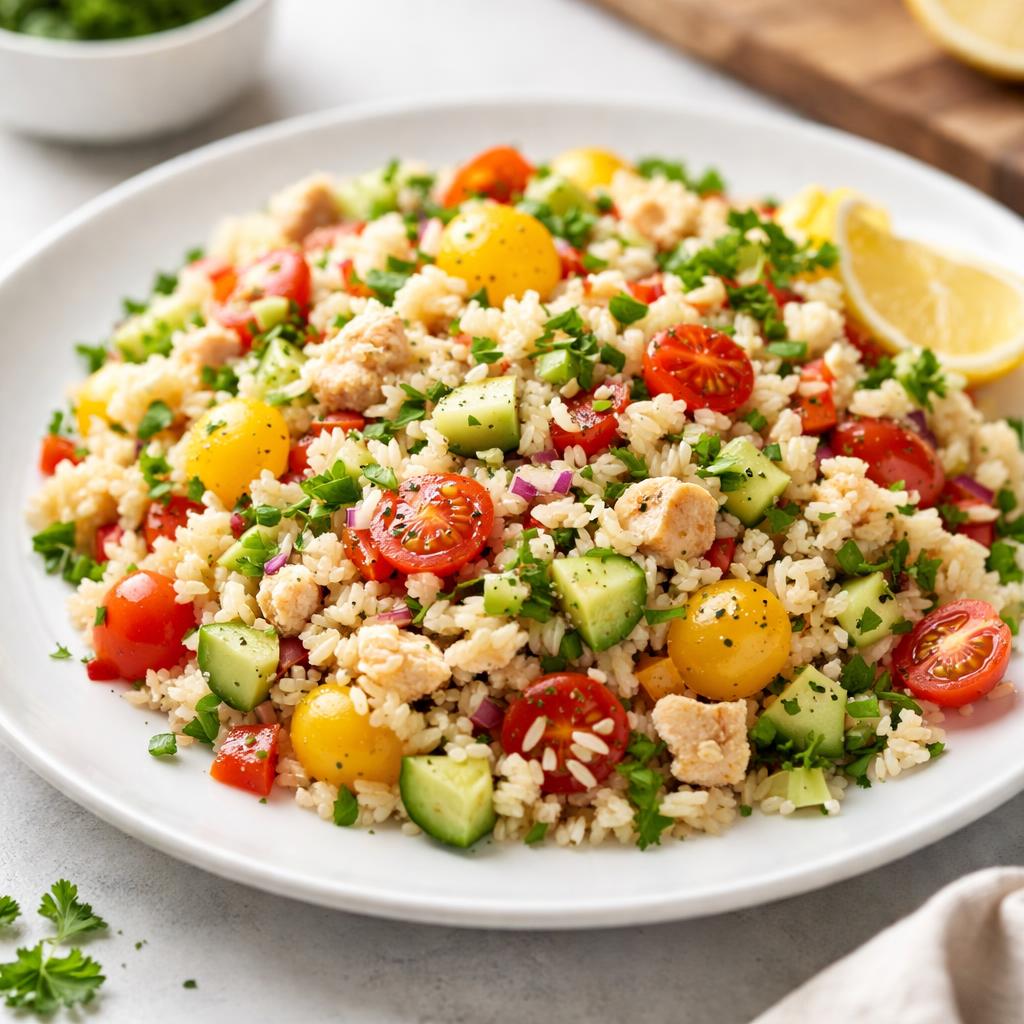
Rice Salad
🎯 Quick Verdict
Rice cakes are low-calorie and low-nutrient snacks, while rice salad is a nutrient-dense, balanced meal with high protein, fiber, and vitamins. Rice cakes are ideal for light snacking, whereas rice salad is great for a satiating main dish, promoting fullness and overall nutrient intake.

Smart Nutrition Tracking with SnapCalorie

📊 Nutritional Comparison
Macronutrients
| Nutrient | Food 1 | Food 2 | Winner |
|---|---|---|---|
| Calories | 35 per rice cake | 250 per serving | ✓ |
| Protein | 0.5g per rice cake | 8g per serving | ✓ |
| Carbs | 7g per rice cake | 40g per serving | ✓ |
| Fat | 0g per rice cake | 8g per serving | ✓ |
| Fiber | 0.3g per rice cake | 3g per serving | ✓ |
Vitamins & Minerals
| Nutrient | Food 1 | Food 2 | Winner |
|---|---|---|---|
| Vitamin D | 0mcg | 0.5mcg per serving | ✓ |
| Calcium | 0mg | 80mg per serving | ✓ |
| Iron | 0.1mg per cake | 2mg per serving | ✓ |
🏆 Category Winners
Protein
Rice salad has 16x more protein than rice cakes.
Fiber
Rice salad contains significantly more fiber (3g vs 0.3g).
Calories
Rice cakes are much lower in calories, suitable for light snacking.
Vitamins
Rice salad provides vitamins and minerals like calcium and iron, while rice cakes are minimally fortified.
🥗 Diet Compatibility
Keto
Food 1: Not Compatible
Food 2: Not Compatible
Both are high in carbohydrates.
Vegan
Food 1: Compatible
Food 2: Compatible
Typically both are plant-based, depending on rice salad ingredients.
Gluten Free
Food 1: Compatible
Food 2: Compatible
Both foods naturally do not contain gluten.
Paleo
Food 1: Compatible
Food 2: Conditionally Compatible
Rice cakes are minimally processed, while rice salad may include non-paleo ingredients (check dressing).
Low Carb
Food 1: Not Compatible
Food 2: Not Compatible
Both foods have high carbohydrate content, unsuitable for strict low-carb diets.
💪 Health Benefits Comparison
Food 1 Benefits
- Low in calories, great for weight management
- Quick and convenient snack option
- Minimal additives in plain versions
Food 2 Benefits
- Rich in protein for muscle maintenance
- High fiber content for improved digestion
- Abundant in vitamins like iron and calcium for bone and blood health
- Provides healthy fats depending on added ingredients like olive oil or avocado
✅ The Bottom Line
Rice cakes are best for light, low-calorie snacking or as a vehicle for spreads, while rice salad is ideal as a nutrient-dense meal packed with protein, fiber, and vitamins. Choose rice cakes for quick snacking, and opt for rice salad for a satiating, balanced dish.
Choose Food 1 for: Low-calorie snacking, portion control, spread toppings
Choose Food 2 for: Balanced meals, muscle building, nutrient density, digestive health


