Rice Cakes VS Chickpea Pasta
A detailed nutritional comparison
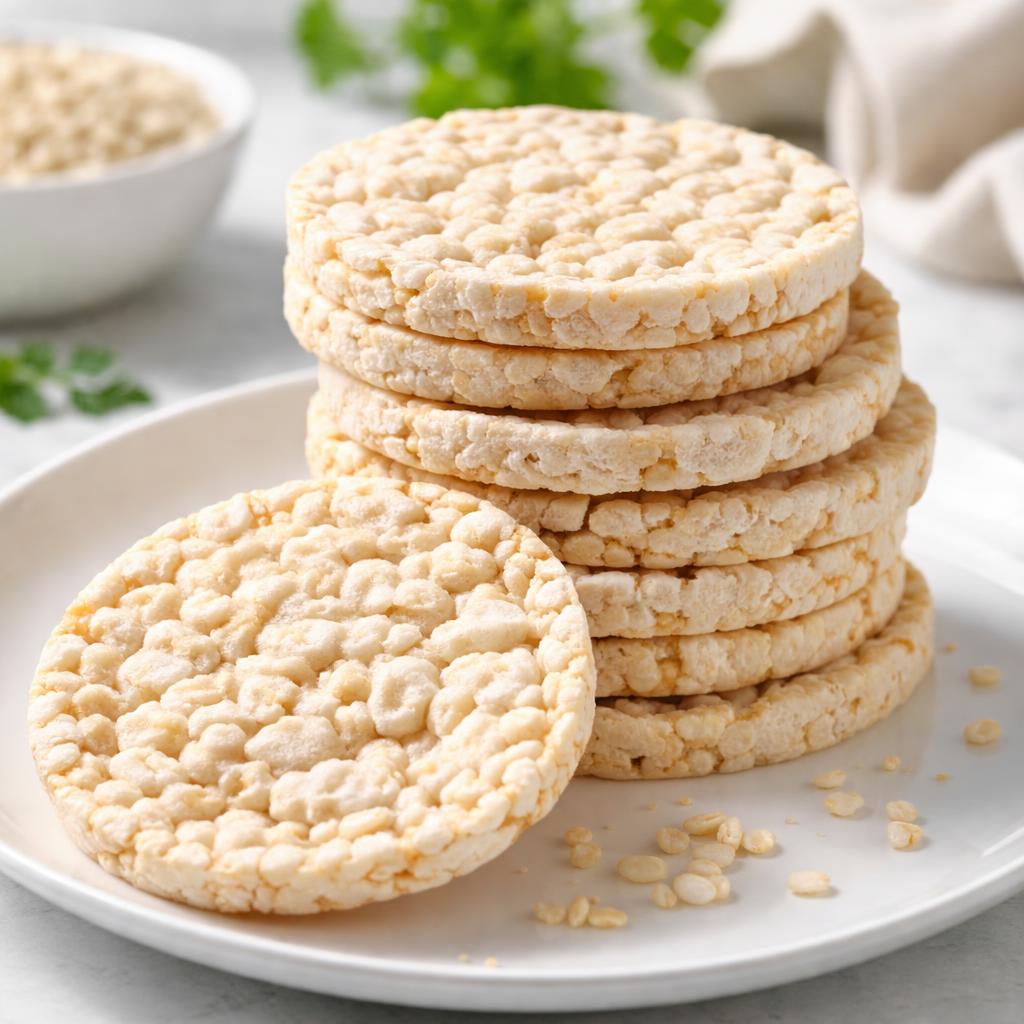
Rice Cakes
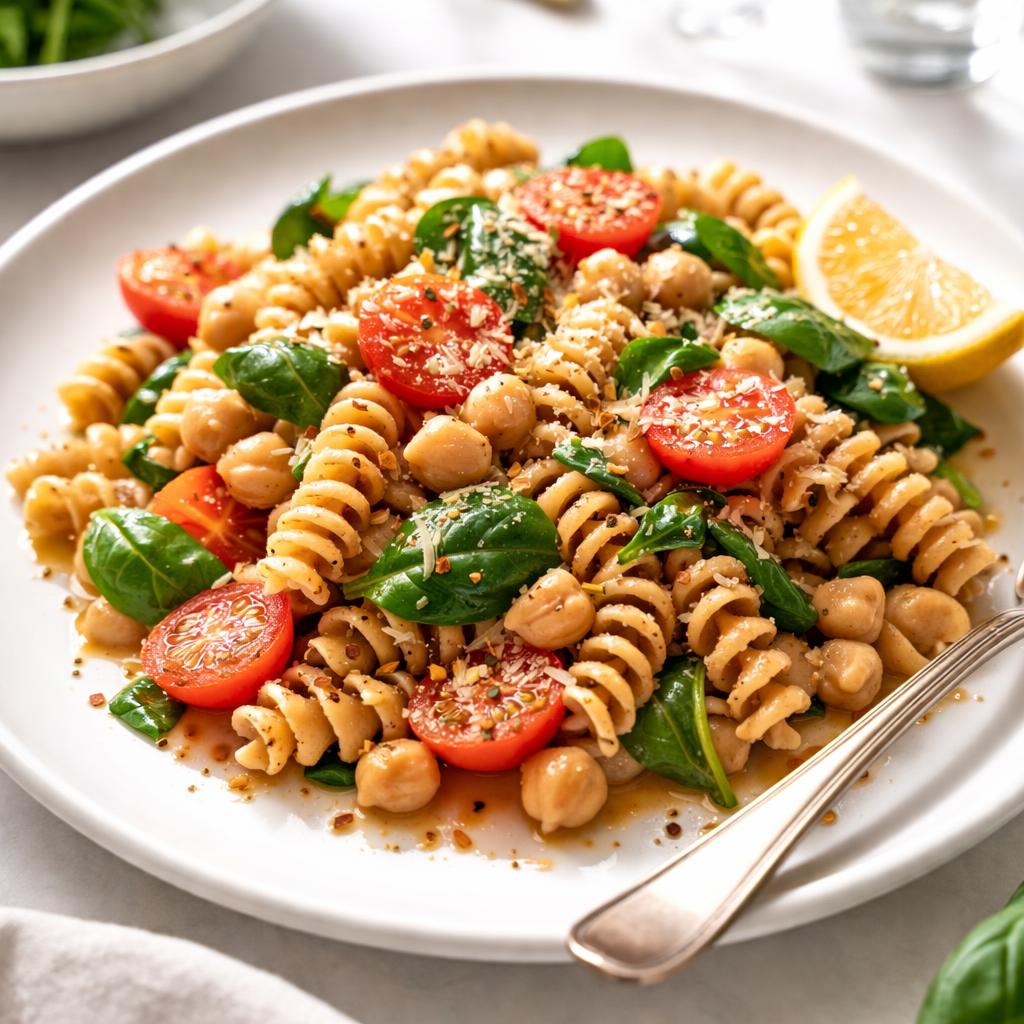
Chickpea Pasta
🎯 Quick Verdict
Rice cakes are a low-calorie, low-nutrient snack best for weight loss, while chickpea pasta excels in protein, fiber, and overall nutrient density, making it ideal for balanced meals. Choose rice cakes for lower calories or chickpea pasta for sustained energy and filling meals.

Smart Nutrition Tracking with SnapCalorie

📊 Nutritional Comparison
Macronutrients
| Nutrient | Food 1 | Food 2 | Winner |
|---|---|---|---|
| Calories | 35 | 190 | ✓ |
| Protein | 0.7g | 13g | ✓ |
| Carbs | 7g | 32g | ✓ |
| Fat | 0.1g | 3g | ✓ |
| Fiber | 0.2g | 5g | ✓ |
Vitamins & Minerals
| Nutrient | Food 1 | Food 2 | Winner |
|---|---|---|---|
| Vitamin B6 | 0mg | 0.2mg | ✓ |
| Iron | 0.1mg | 4mg | ✓ |
| Magnesium | 3mg | 44mg | ✓ |
🏆 Category Winners
Protein
Chickpea pasta delivers 13g of protein per serving compared to 0.7g in rice cakes.
Fiber
Chickpea pasta has 5g of fiber per serving, significantly higher than the 0.2g in rice cakes.
Calories
Rice cakes are a low-calorie option with only 35 calories per cake.
Vitamins
Chickpea pasta is richer in iron, magnesium, and B vitamins than rice cakes.
🥗 Diet Compatibility
Keto
Food 1: Not Compatible
Food 2: Not Compatible
Both are high-carb and unsuitable for ketogenic diets.
Vegan
Food 1: Compatible
Food 2: Compatible
Neither food contains any animal products.
Gluten Free
Food 1: Compatible
Food 2: Compatible
Rice cakes are naturally gluten-free; chickpea pasta is gluten-free if certified.
Paleo
Food 1: Not Compatible
Food 2: Compatible
Rice cakes are processed; chickpea pasta aligns with paleo principles depending on ingredients.
Low-Carb
Food 1: Not Compatible
Food 2: Not Compatible
Both foods are moderate to high in carbohydrates.
💪 Health Benefits Comparison
Food 1 Benefits
- Low in calories for weight management
- Quick, convenient snack option
- Light and easy to digest
Food 2 Benefits
- High protein content supports muscle maintenance
- Rich in fiber for improved digestion
- Packed with iron and magnesium for better energy and bone health
- Helps keep you full longer due to its nutrient density
✅ The Bottom Line
Choose rice cakes if you need a light, low-calorie snack that satisfies cravings without adding many nutrients. Opt for chickpea pasta when you need a filling, nutrient-dense option rich in protein and fiber, ideal for balanced meals or active lifestyles.
Choose Food 1 for: Weight loss, light snacking, low-calorie intake
Choose Food 2 for: Muscle building, energy-sustaining meals, nutrient-rich diets


