Rice Cakes VS Boiled Rice
A detailed nutritional comparison
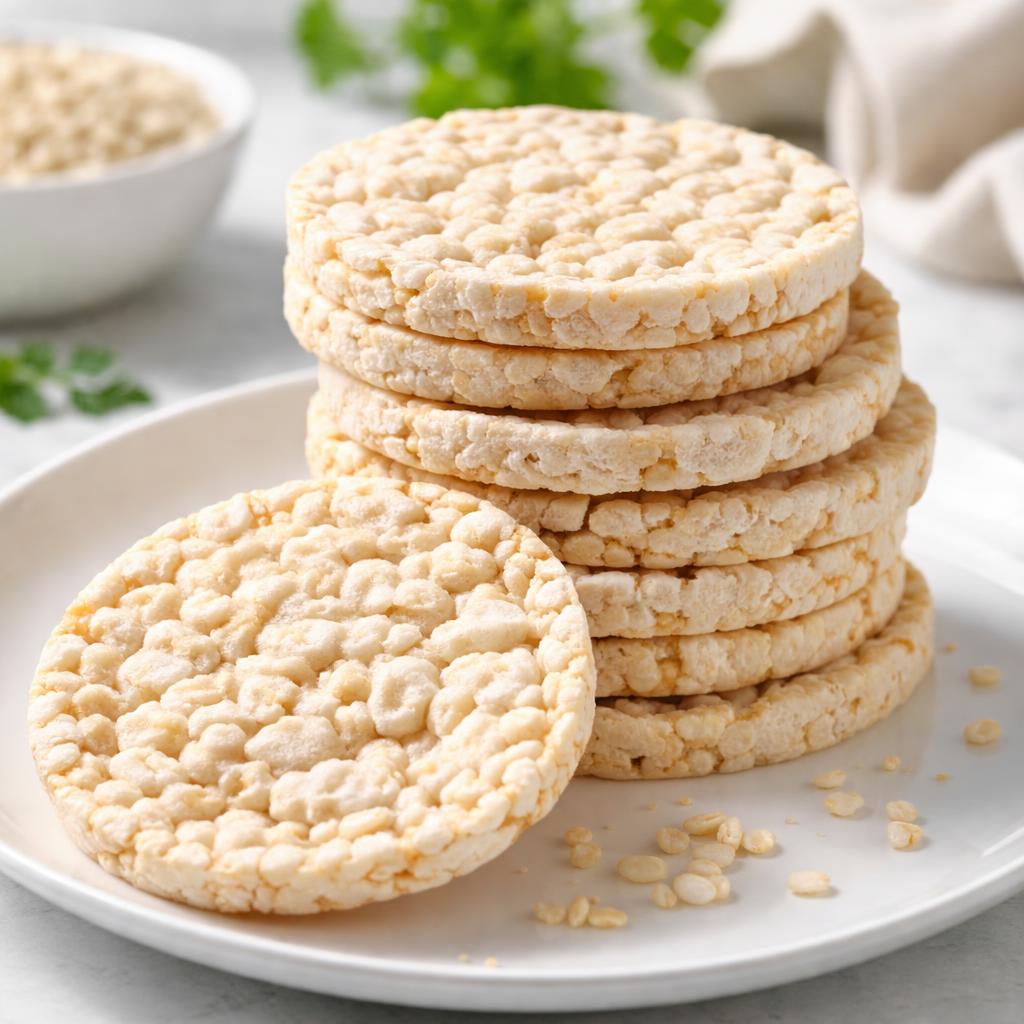
Rice Cakes
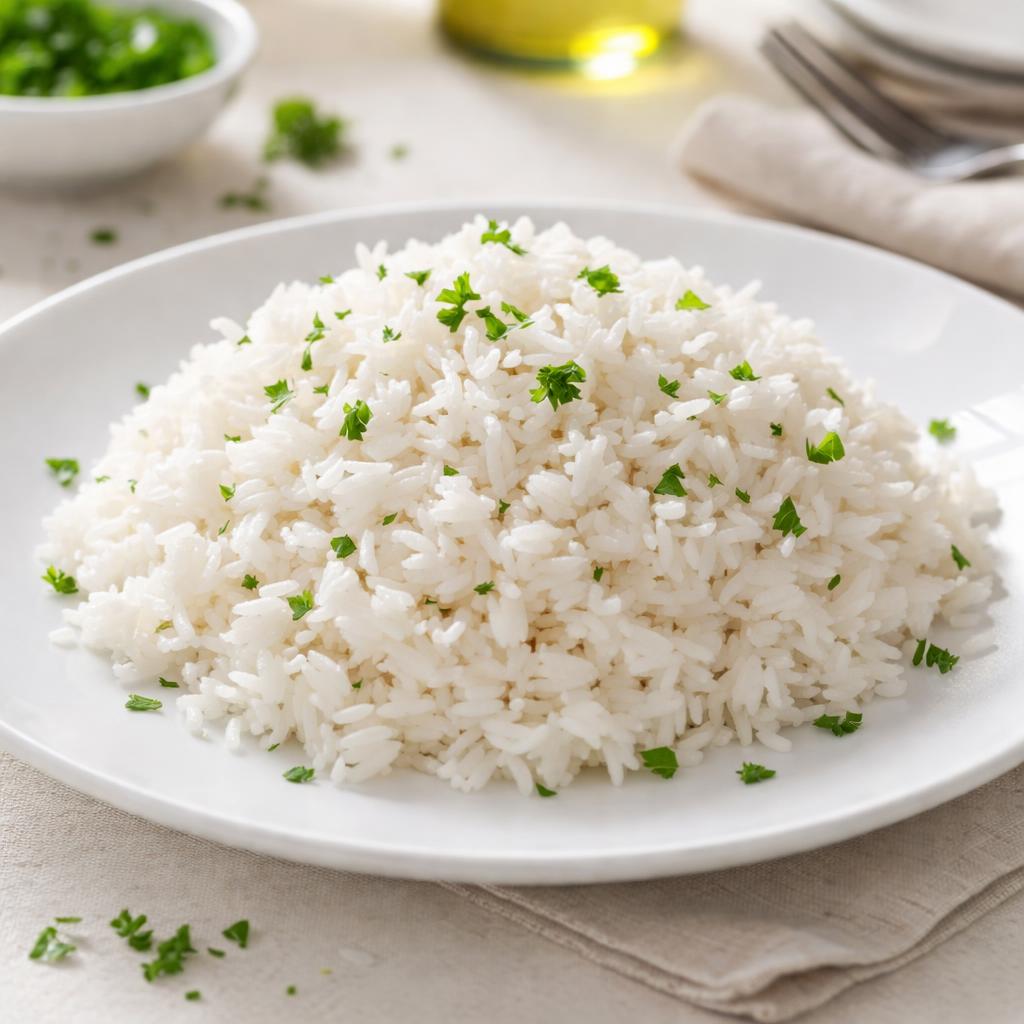
Boiled Rice
🎯 Quick Verdict
Rice cakes are lower in calories and make a great low-carb snack, while boiled rice offers higher protein and fiber content, making it better for sustained energy and satiety. Choose rice cakes for a quick, light option and boiled rice for a nutrient-dense meal base.

Smart Nutrition Tracking with SnapCalorie

📊 Nutritional Comparison
Macronutrients
| Nutrient | Food 1 | Food 2 | Winner |
|---|---|---|---|
| Calories | 35 per cake (9g) | 130 per 100g | ✓ |
| Protein | 0.7g per cake | 2.7g per 100g | ✓ |
| Carbs | 7.3g per cake | 28g per 100g | ✓ |
| Fat | 0.1g per cake | 0.3g per 100g | − |
| Fiber | 0.4g per cake | 0.8g per 100g | ✓ |
Vitamins & Minerals
| Nutrient | Food 1 | Food 2 | Winner |
|---|---|---|---|
| Vitamin D | 0mcg | 0mcg | − |
| Calcium | 2mg per cake | 9mg per 100g | ✓ |
| Iron | 0.1mg per cake | 0.2mg per 100g | ✓ |
🏆 Category Winners
Protein
Boiled rice contains over three times more protein per serving than rice cakes.
Fiber
Boiled rice has double the fiber content per serving compared to rice cakes.
Calories
Rice cakes are significantly lower in calories, making them a lighter option.
🥗 Diet Compatibility
Keto
Food 1: Not Compatible
Food 2: Not Compatible
Both are high-carb and generally not suitable for keto diets.
Vegan
Food 1: Compatible
Food 2: Compatible
Both foods are plant-based and vegan-friendly.
Gluten Free
Food 1: Compatible
Food 2: Compatible
Neither food contains gluten, making them safe for a gluten-free diet.
Paleo
Food 1: Not Compatible
Food 2: Compatible
Boiled rice can fit paleo diets, while the processed rice cakes may not.
Low-Carb
Food 1: Compatible
Food 2: Not Compatible
Rice cakes are lower in carbs compared to boiled rice.
💪 Health Benefits Comparison
Food 1 Benefits
- Low in calories, great for weight management
- Quick, easy snack option
- Gluten-free and vegan-friendly
Food 2 Benefits
- Provides sustained energy due to complex carbohydrates
- Higher fiber content for digestion
- Good source of essential minerals like iron and calcium
✅ The Bottom Line
For a light, low-calorie snack, rice cakes are superior. For a nutrient-dense option that provides energy and satiety, boiled rice is the clear choice. Both are versatile additions to various diets.
Choose Food 1 for: Snacking, weight loss, low-calorie diets
Choose Food 2 for: Meal base, energy sustenance, nutrient density


