Rice Cake VS Rice Vinegar
A detailed nutritional comparison
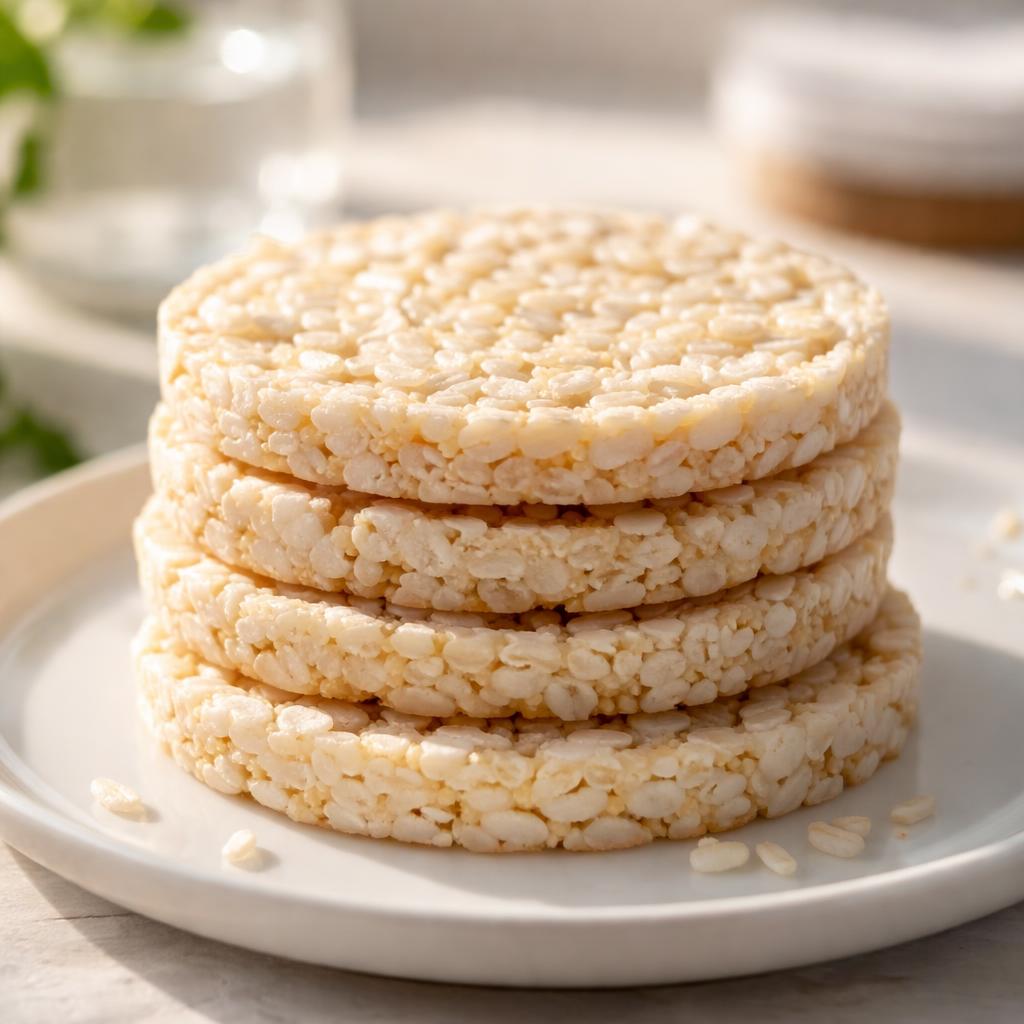
Rice Cake
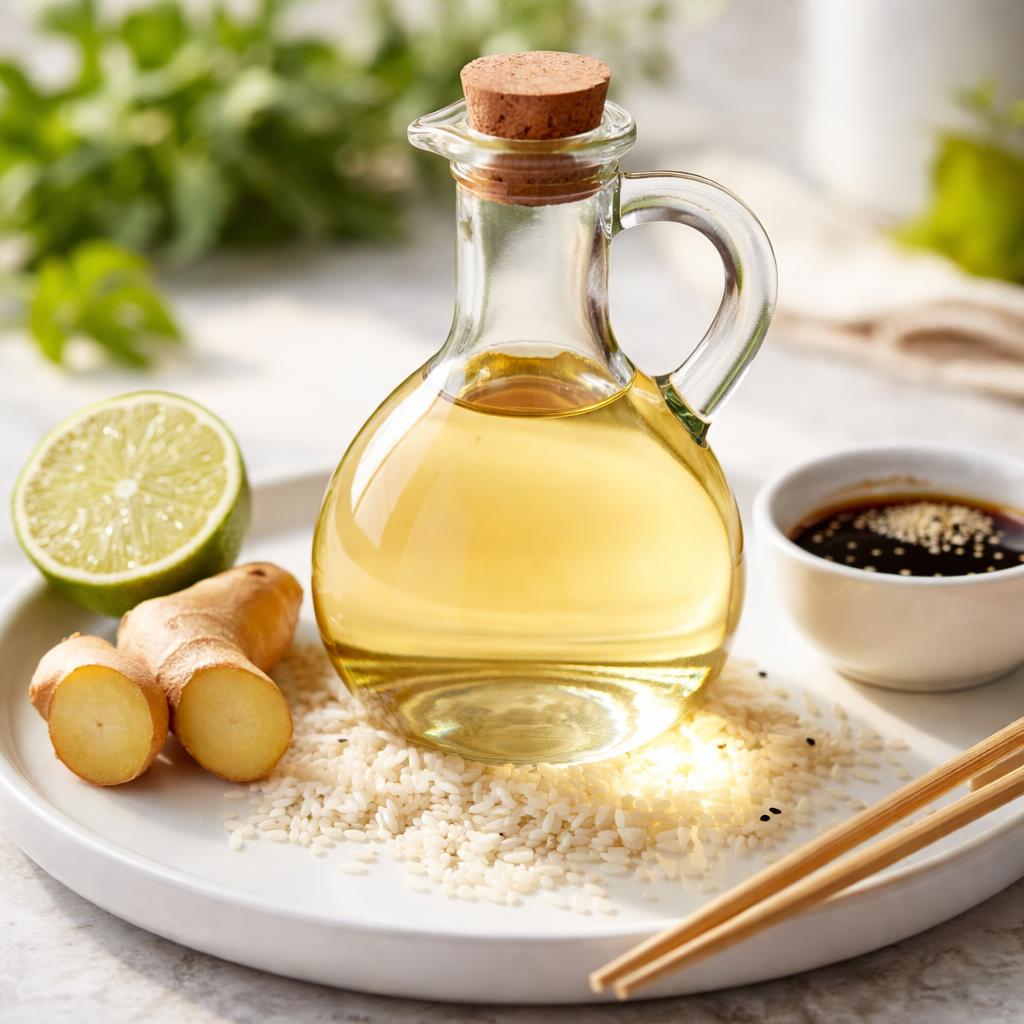
Rice Vinegar
🎯 Quick Verdict
Rice cakes and rice vinegar differ significantly in their nutritional profiles and use cases. Rice cakes provide a small amount of protein and are higher in calories, fiber, and carbs, making them a good snack option. Rice vinegar is calorie-free and has no macronutrients but offers health benefits like aiding digestion and enhancing flavor in meals without adding calories.

Smart Nutrition Tracking with SnapCalorie

📊 Nutritional Comparison
Macronutrients
| Nutrient | Food 1 | Food 2 | Winner |
|---|---|---|---|
| Calories | 35 (per cake) | 0 (per tablespoon) | ✓ |
| Protein | 0.7g | 0g | − |
| Carbs | 7g | 0g | ✓ |
| Fat | 0.2g | 0g | ✓ |
| Fiber | 0.3g | 0g | ✓ |
Vitamins & Minerals
| Nutrient | Food 1 | Food 2 | Winner |
|---|---|---|---|
| Vitamin D | 0mcg | 0mcg | − |
| Calcium | 0mg | 2mg | ✓ |
| Iron | 0.1mg | 0mg | ✓ |
🏆 Category Winners
Protein
Neither food is a significant source of protein.
Fiber
Rice cakes contain small amounts of fiber while rice vinegar contains none.
Calories
Rice vinegar contains virtually zero calories, whereas rice cakes provide 35 calories per serving.
Vitamins
Rice vinegar has trace amounts of calcium absent in rice cakes.
🥗 Diet Compatibility
Keto
Food 1: Not Compatible
Food 2: Compatible
Rice cakes are high in carbs, while rice vinegar contains no carbs.
Vegan
Food 1: Compatible
Food 2: Compatible
Both are vegan-friendly as they are plant-based.
Gluten Free
Food 1: Compatible
Food 2: Compatible
Neither contains gluten, but check for cross-contamination in rice cakes.
Paleo
Food 1: Not Compatible
Food 2: Compatible
Rice cakes are processed, while rice vinegar aligns with paleo principles.
Low-Carb
Food 1: Not Compatible
Food 2: Compatible
Rice cakes are carb-heavy, but rice vinegar is carb-free.
💪 Health Benefits Comparison
Food 1 Benefits
- Provides quick energy from carbohydrates
- Low calorie snack option for weight management
- Contains small amounts of fiber to support digestion
Food 2 Benefits
- Aids digestion and improves gut health
- Enhances flavor in meals without adding calories or fat
- Contains acetic acid, which may support weight management and blood sugar control
✅ The Bottom Line
Choose rice cakes for a quick snack or light meal option, especially if looking for low-calorie carbs. Use rice vinegar as a no-calorie flavor enhancer in salads, marinades, and sauces. It works well for digestion and weight management support.
Choose Food 1 for: Light snacks, pre-workout carbs, calorie-conscious diets
Choose Food 2 for: Flavor enhancement, digestion support, zero-calorie diets


