Rice Cake VS Rice Krispie Treat
A detailed nutritional comparison
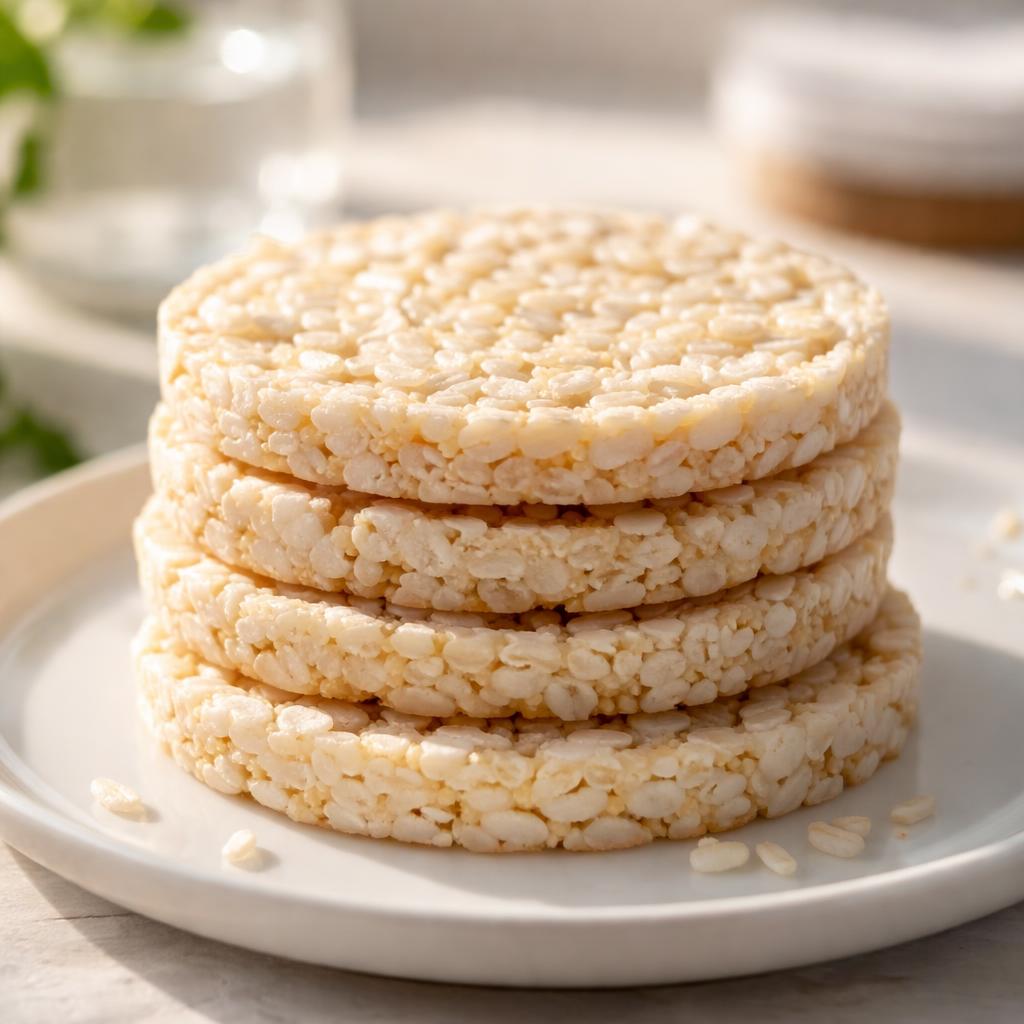
Rice Cake
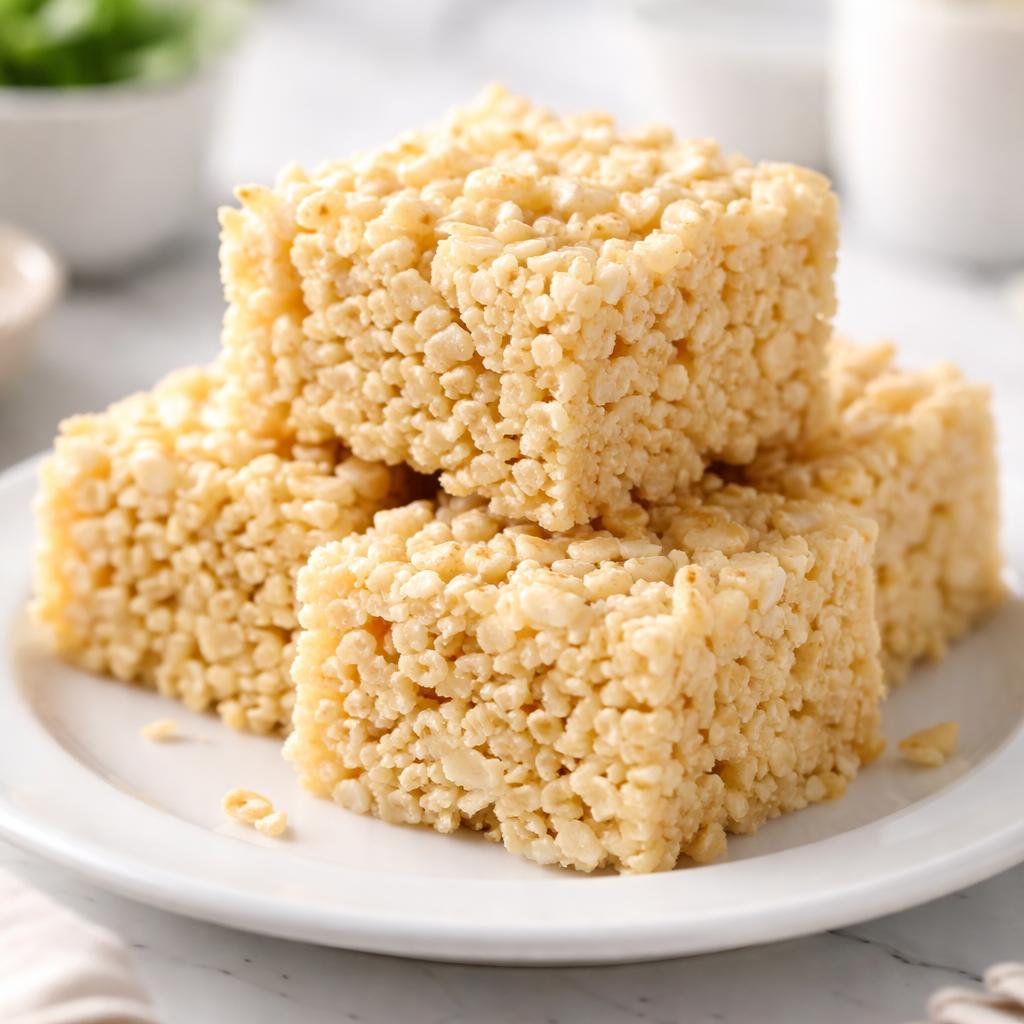
Rice Krispie Treat
🎯 Quick Verdict
Rice cakes are a lighter, low-calorie option that offers more protein and fiber per serving compared to rice krispie treats. On the other hand, rice krispie treats provide more carbohydrates and sugar, making them more suitable for quick energy boosts but less ideal for nutritious snacking or weight management goals.

Smart Nutrition Tracking with SnapCalorie

📊 Nutritional Comparison
Macronutrients
| Nutrient | Food 1 | Food 2 | Winner |
|---|---|---|---|
| Calories | 35 | 90 | ✓ |
| Protein | 0.8g | 0.5g | ✓ |
| Carbs | 7g | 20g | ✓ |
| Fat | 0g | 1.5g | ✓ |
| Fiber | 0.2g | 0g | ✓ |
Vitamins & Minerals
| Nutrient | Food 1 | Food 2 | Winner |
|---|---|---|---|
| Vitamin D | 0mcg | 0mcg | − |
| Calcium | 0mg | 5mg | ✓ |
| Iron | 0.1mg | 0.1mg | − |
🏆 Category Winners
Protein
Rice cakes contain 60% more protein than rice krispie treats per serving.
Fiber
Rice cakes provide a trace of fiber, while rice krispie treats contain none.
Calories
Rice cakes have less than half the calories of rice krispie treats per serving.
Vitamins
Rice krispie treats slightly edge out in calcium content (5mg vs 0mg).
🥗 Diet Compatibility
Keto
Food 1: Not Compatible
Food 2: Not Compatible
Both foods are high in carbs, exceeding keto guidelines.
Vegan
Food 1: Compatible
Food 2: Not Compatible
Rice cakes are vegan, while rice krispie treats often contain marshmallows made with gelatin.
Gluten Free
Food 1: Compatible
Food 2: Compatible
Both products can be gluten-free if labeled appropriately.
Paleo
Food 1: Not Compatible
Food 2: Not Compatible
Both contain processed ingredients, making them unsuitable for a paleo diet.
Low Carb
Food 1: Partially Compatible
Food 2: Not Compatible
Rice cakes are lower in carbs but may still exceed strict low-carb diet limits.
💪 Health Benefits Comparison
Food 1 Benefits
- Low-calorie option for weight management
- Light source of protein for minor satiety
- Simple ingredient list for minimal processing
Food 2 Benefits
- Quick source of energy due to high carbohydrate content
- Contains a small amount of fat for sustained energy
- Appeals to taste preferences as a treat
✅ The Bottom Line
Choose rice cakes for a low-calorie, minimal snack option suitable for light energy without added sugar. Opt for rice krispie treats if you need a quick carbohydrate fix or an indulgent treat. Both should be consumed in moderation depending on dietary goals.
Choose Food 1 for: Low-calorie diets, simple snacks, light energy boosts
Choose Food 2 for: Quick energy during physical activity, indulgent moments, children’s snacks


