Rice Cake VS Rice Crackers
A detailed nutritional comparison
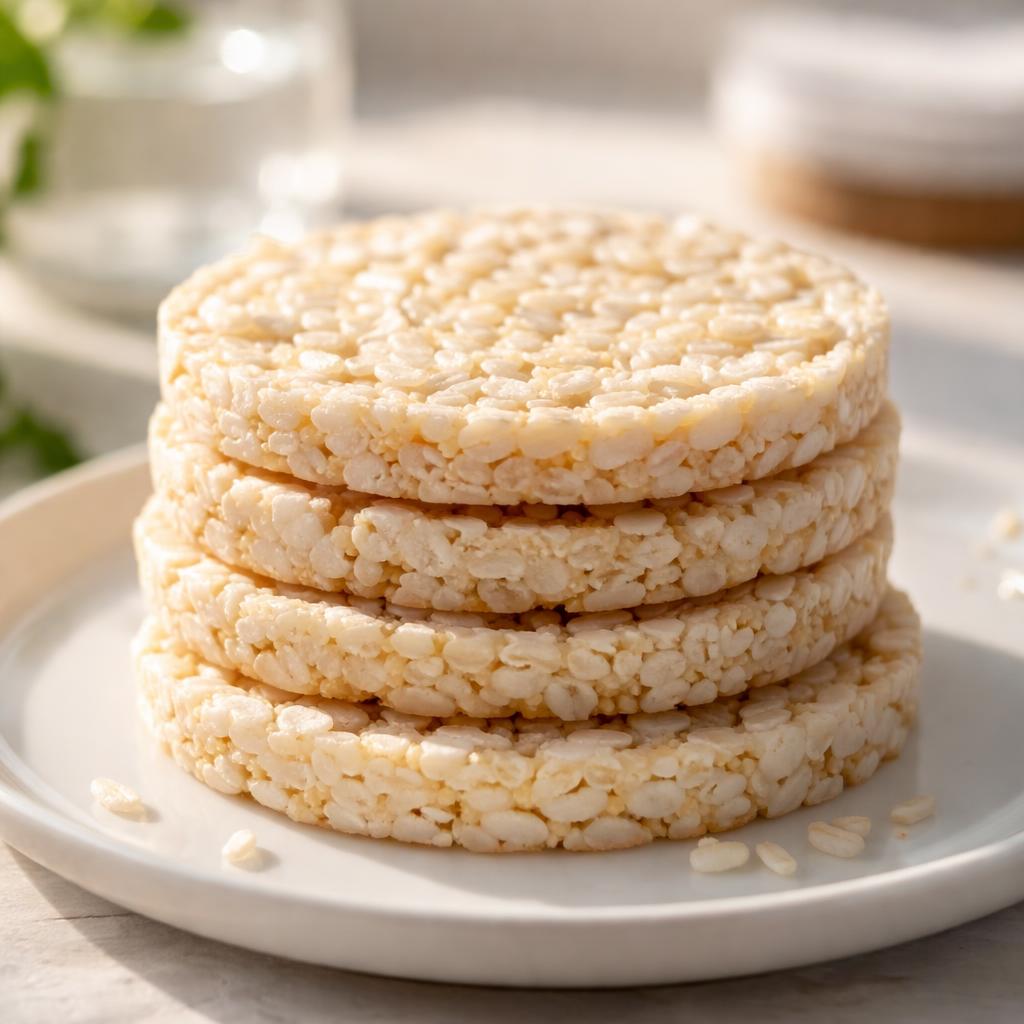
Rice Cake
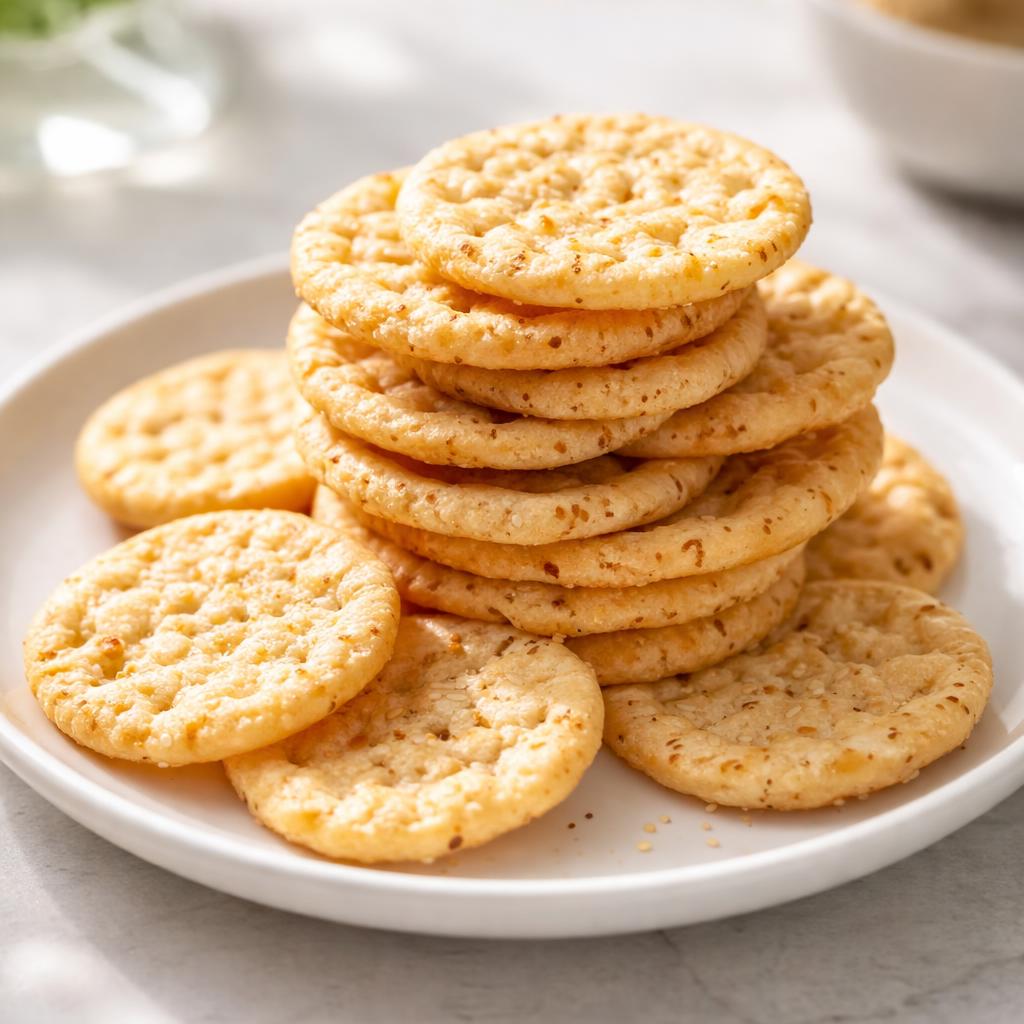
Rice Crackers
🎯 Quick Verdict
Rice cakes and rice crackers have distinct nutritional profiles. Rice cakes are generally lower in calories and carbohydrates, making them ideal for weight management, while rice crackers offer slightly more fiber and additional flavor options but are higher in sodium. Both are gluten-free and suitable for light snacking but differ in dietary compatibility depending on your goals.

Smart Nutrition Tracking with SnapCalorie

📊 Nutritional Comparison
Macronutrients
| Nutrient | Food 1 | Food 2 | Winner |
|---|---|---|---|
| Calories | 35 | 60 | ✓ |
| Protein | 0.7g | 0.7g | − |
| Carbs | 7g | 12g | ✓ |
| Fat | 0g | 2g | ✓ |
| Fiber | 0.3g | 0.5g | ✓ |
Vitamins & Minerals
| Nutrient | Food 1 | Food 2 | Winner |
|---|---|---|---|
| Vitamin B1 (Thiamine) | 0.02mg | 0.03mg | ✓ |
| Potassium | 14mg | 30mg | ✓ |
| Sodium | 0mg | 80mg | ✓ |
🏆 Category Winners
Protein
Both foods have similar negligible protein content, at 0.7g per serving.
Fiber
Rice crackers have 66% more fiber than rice cakes.
Calories
Rice cakes provide nearly half the calories per serving compared to rice crackers.
🥗 Diet Compatibility
Keto
Food 1: Not Compatible
Food 2: Not Compatible
Both foods are too high in carbs for keto diets.
Vegan
Food 1: Compatible
Food 2: Compatible
Both foods are plant-based and contain no animal products.
Gluten Free
Food 1: Compatible
Food 2: Compatible
Rice is naturally gluten-free and neither food contains gluten.
Paleo
Food 1: Compatible
Food 2: Not Compatible
Rice cakes fit paleo constraints due to minimal processing, but rice crackers often contain additives like refined oils.
Low Carb
Food 1: Not Compatible
Food 2: Not Compatible
Neither food is low-carb, with food1 containing 7g carbs and food2 containing 12g carbs per serving.
💪 Health Benefits Comparison
Food 1 Benefits
- Low calorie per serving, suitable for weight management
- Virtually fat-free and cholesterol-free
- Provides quick energy with simple carbohydrates
Food 2 Benefits
- Higher in fiber for digestive health
- Contains small amounts of potassium for electrolyte balance
- Offers crunch and moderate satiety compared to plain rice cakes
✅ The Bottom Line
Choose rice cakes if you're focused on reducing calorie intake or seeking a minimally processed snack option. Opt for rice crackers when you prefer slightly more flavor, crunch, or fiber content, but be mindful of the additional sodium and calories.
Choose Food 1 for: Weight loss, low-fat diets, quick energy boost
Choose Food 2 for: Digestive health, flavorful snacking, moderate energy needs


