Ramen Noodles VS Stir-Fried Noodles
A detailed nutritional comparison
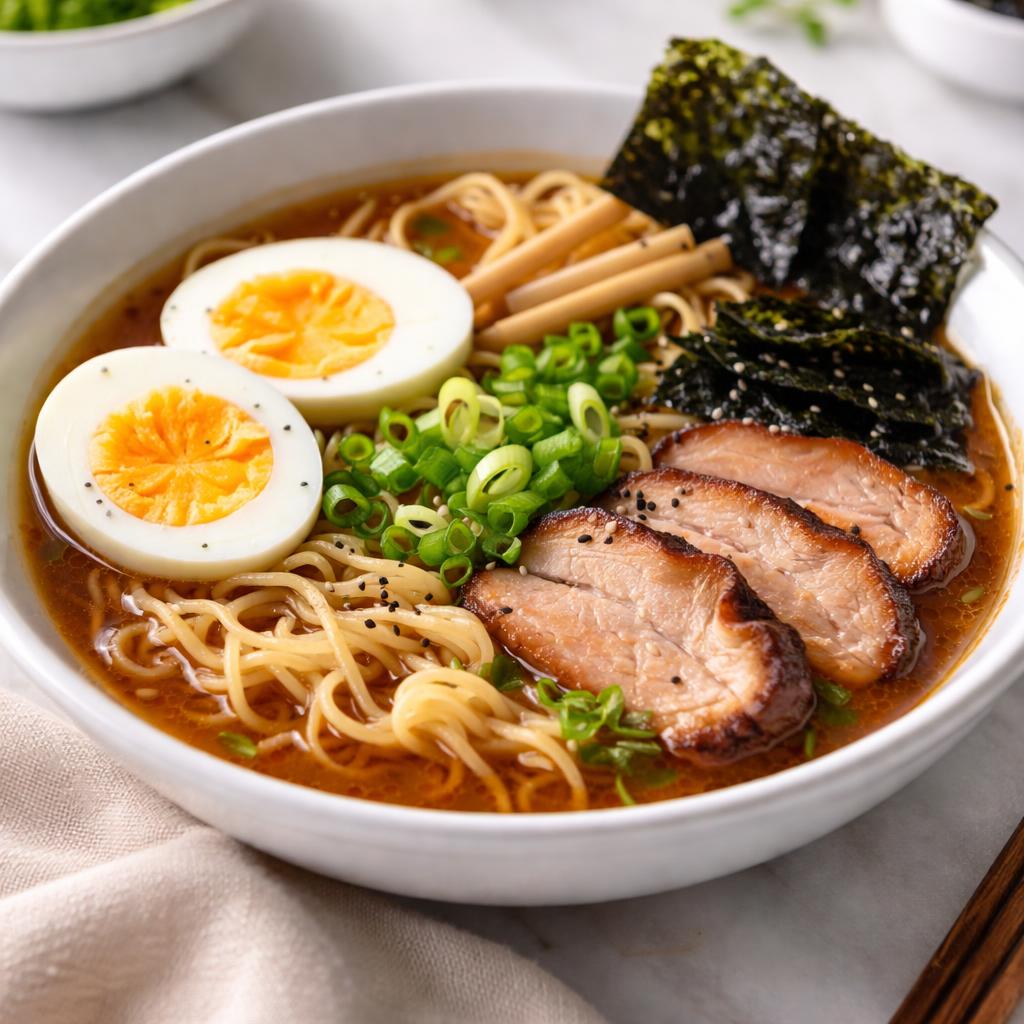
Ramen Noodles
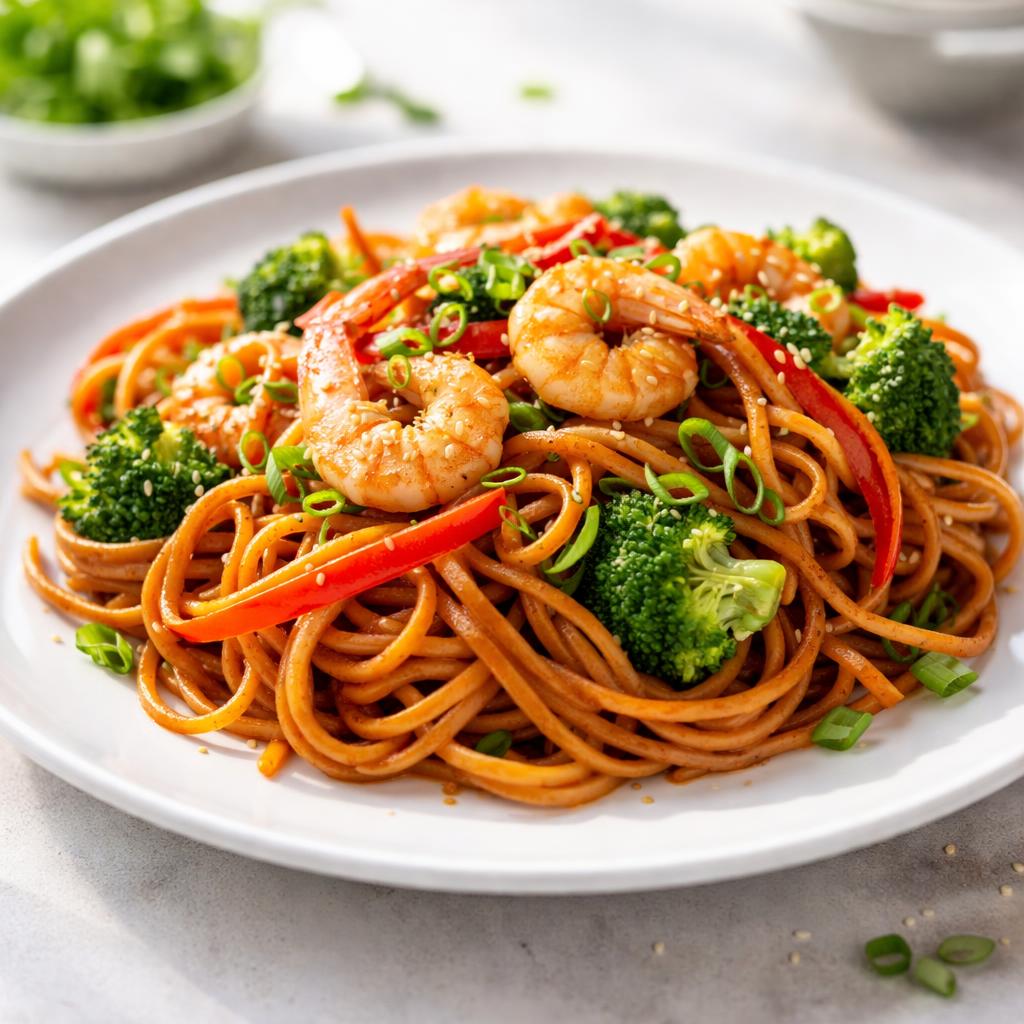
Stir-Fried Noodles
🎯 Quick Verdict
Ramen noodles are lower in calories but provide fewer nutrients overall. Stir-fried noodles offer higher protein and fiber content, making them slightly more nutrient-dense. Ramen noodles are a quick option for calorie-conscious diets, while stir-fried noodles are versatile and more satisfying with added vegetables and protein.

Smart Nutrition Tracking with SnapCalorie

📊 Nutritional Comparison
Macronutrients
| Nutrient | Food 1 | Food 2 | Winner |
|---|---|---|---|
| Calories | 190 | 250 | − |
| Protein | 4g | 12g | − |
| Carbs | 27g | 35g | − |
| Fat | 7g | 12g | − |
| Fiber | 1g | 5g | − |
Vitamins & Minerals
| Nutrient | Food 1 | Food 2 | Winner |
|---|---|---|---|
| Vitamin C | 0mg | 10mg | − |
| Vitamin A | 0mcg | 50mcg | − |
| Iron | 1mg | 3mg | − |
🏆 Category Winners
Protein
Stir-fried noodles contain three times more protein than ramen noodles.
Fiber
Stir-fried noodles provide five times more fiber, aiding digestion.
Calories
Ramen noodles are 25% lower in calories, suitable for calorie-conscious diets.
Vitamins
Stir-fried noodles are richer in vitamins such as Vitamin C, A, and iron.
🥗 Diet Compatibility
Keto
Food 1: Not Compatible
Food 2: Not Compatible
Both foods are high in carbs, exceeding keto guidelines.
Vegan
Food 1: Compatible
Food 2: Compatible
Both foods can be prepared using entirely plant-based ingredients.
Gluten Free
Food 1: Not Compatible
Food 2: Not Compatible
Both use wheat flour-based noodles, which contain gluten.
Paleo
Food 1: Not Compatible
Food 2: Not Compatible
Noodles are typically not allowed on paleo diets due to processed grains.
Low-Carb
Food 1: Not Compatible
Food 2: Not Compatible
Neither is low-carb due to their high carbohydrate content.
💪 Health Benefits Comparison
Food 1 Benefits
- Quick and easy meal option for busy schedules
- Lower calorie content for weight-conscious diets
- Provides a source of carbs for energy
Food 2 Benefits
- Higher protein content for muscle growth and repair
- Rich in fiber for improved digestion and satiety
- Contains vitamins and minerals for overall health
✅ The Bottom Line
Ramen noodles are great for quick meals and calorie-conscious diets but lack nutritional depth. Stir-fried noodles, while higher in calories, offer better nutrient density with more protein and fiber and are ideal for balanced meals that include vegetables and added protein sources.
Choose Food 1 for: Convenience, weight loss, low-calorie snacking
Choose Food 2 for: Balanced meals, post-workout recovery, nutrient-rich eating


