Ramen Noodles VS Rice Noodle
A detailed nutritional comparison
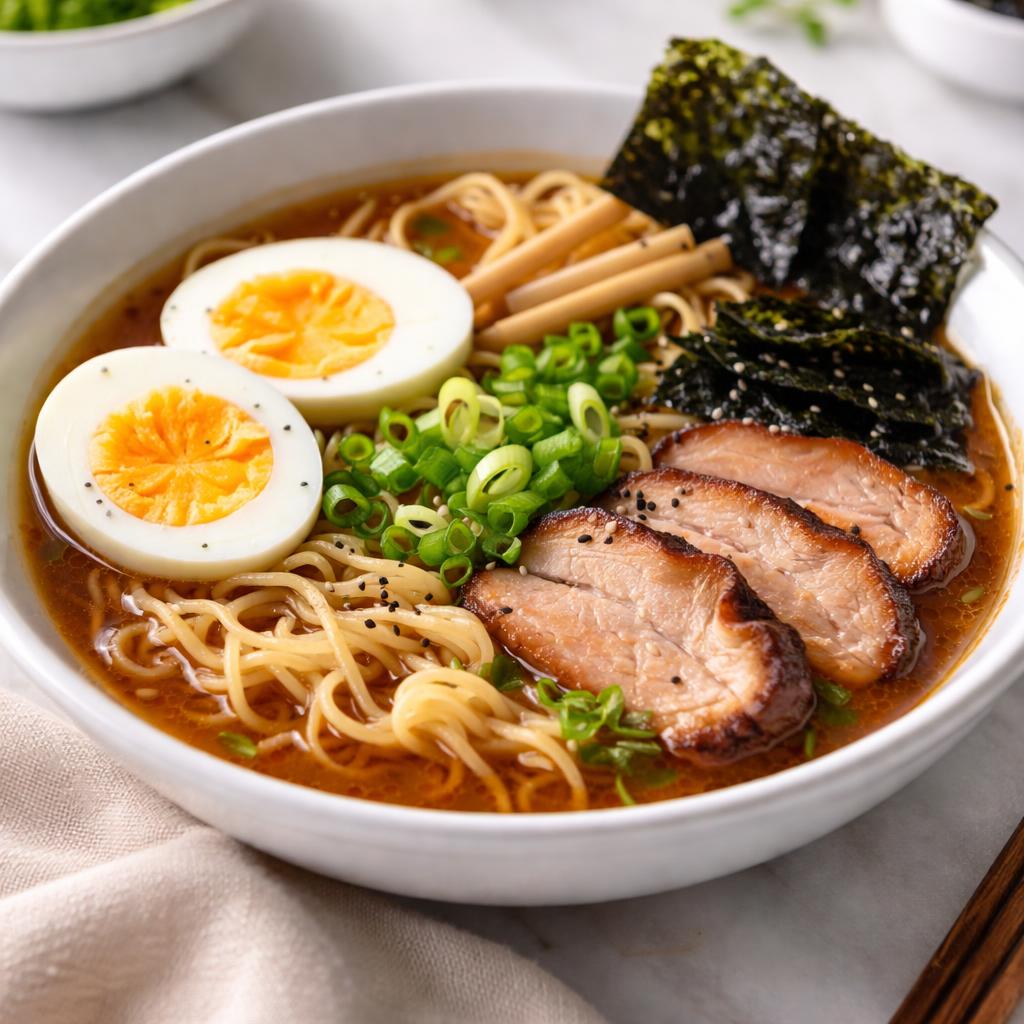
Ramen Noodles
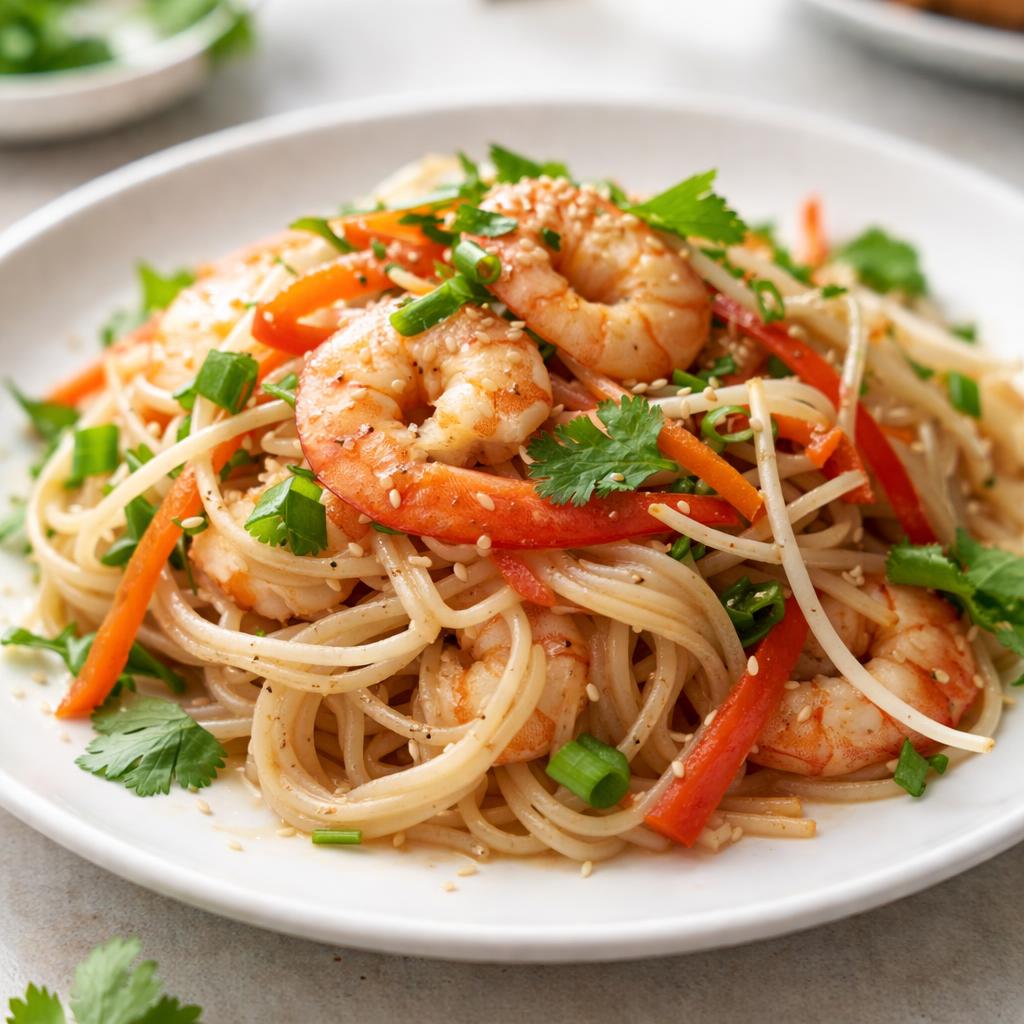
Rice Noodle
🎯 Quick Verdict
Rice noodles are lighter in calories and fat, making them suitable for weight management and low-fat diets. Ramen noodles provide slightly more fiber but are higher in calories, fat, and sodium, making them less ideal for heart health. Rice noodles are a gluten-free option while ramen noodles are not.

Smart Nutrition Tracking with SnapCalorie

📊 Nutritional Comparison
Macronutrients
| Nutrient | Food 1 | Food 2 | Winner |
|---|---|---|---|
| Calories | 190 | 150 | − |
| Protein | 4g | 4g | − |
| Carbs | 27g | 34g | − |
| Fat | 7g | 0.3g | − |
| Fiber | 1g | 0g | − |
Vitamins & Minerals
| Nutrient | Food 1 | Food 2 | Winner |
|---|---|---|---|
| Vitamin D | 0mcg | 0mcg | − |
| Calcium | 0mg | 0mg | − |
| Iron | 2mg | 0.5mg | − |
🏆 Category Winners
Protein
Both foods provide 4g protein per serving.
Fiber
Ramen noodles contain 1g of fiber compared to none in rice noodles.
Calories
Rice noodles have 21% fewer calories per serving.
Vitamins
Ramen noodles provide significantly more iron (2mg vs 0.5mg).
🥗 Diet Compatibility
Keto
Food 1: Not Compatible
Food 2: Not Compatible
Both foods are high in carbs.
Vegan
Food 1: Compatible
Food 2: Compatible
Both foods are plant-based when unflavored.
Gluten Free
Food 1: Not Compatible
Food 2: Compatible
Rice noodles are naturally gluten-free; ramen noodles contain wheat.
Paleo
Food 1: Not Compatible
Food 2: Not Compatible
Both foods are processed and contain grains.
Low Carb
Food 1: Not Compatible
Food 2: Not Compatible
Both foods are relatively high in carbohydrates.
💪 Health Benefits Comparison
Food 1 Benefits
- Provides more fiber for digestion
- Contains higher iron content for red blood cell production
- Convenient for quick preparation and versatile recipes
Food 2 Benefits
- Lower in calories for weight management
- Gluten-free, suitable for people with gluten intolerance
- Very low in fat, ideal for heart-healthy diets
✅ The Bottom Line
Choose rice noodles if you need a gluten-free, low-fat, and lower-calorie option suitable for weight management. Opt for ramen noodles for higher fiber and a more savory, hearty option. Both work well in soups and stir-fries, but keep sodium content in mind when using ramen noodles.
Choose Food 1 for: Weight management, gluten-free diets, low-fat meals
Choose Food 2 for: Quick meals, higher fiber intake, richer flavor profiles


