Ramen Noodles VS Rice Bowl
A detailed nutritional comparison
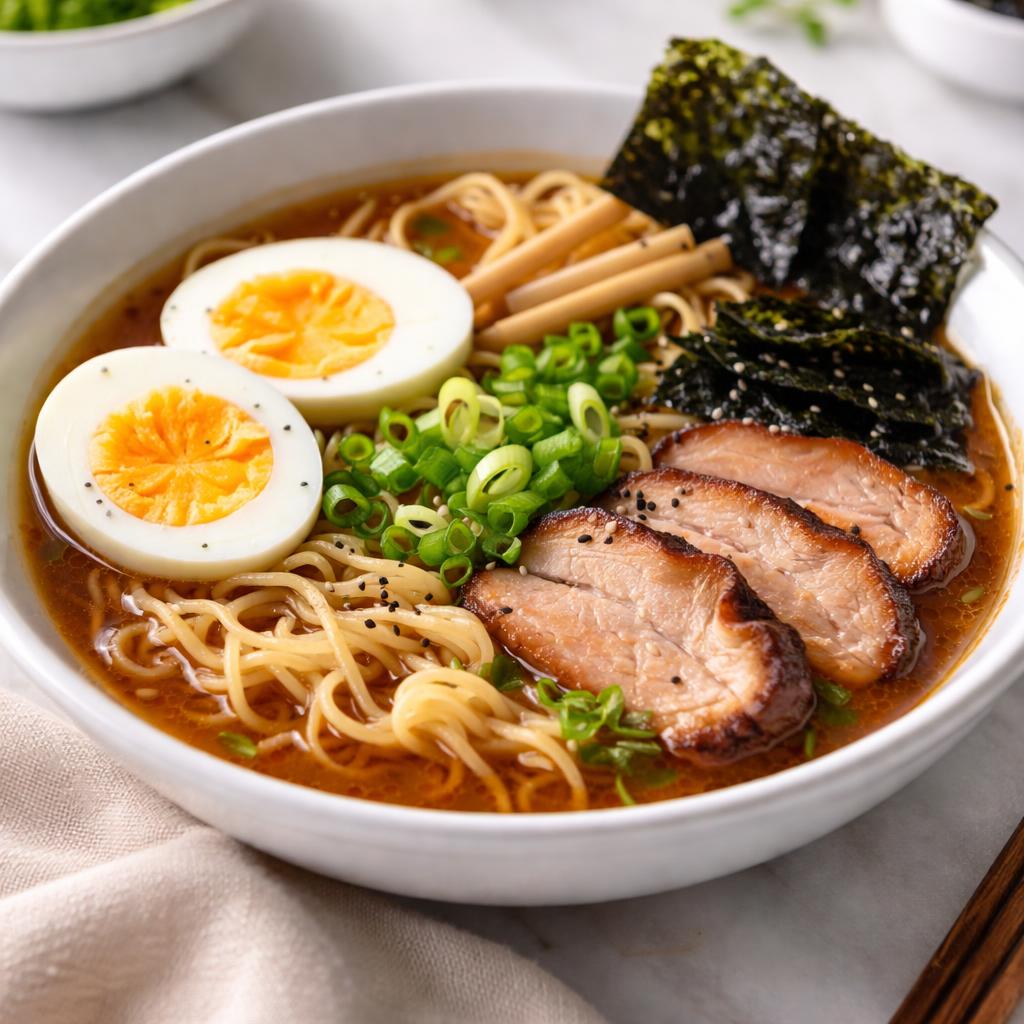
Ramen Noodles
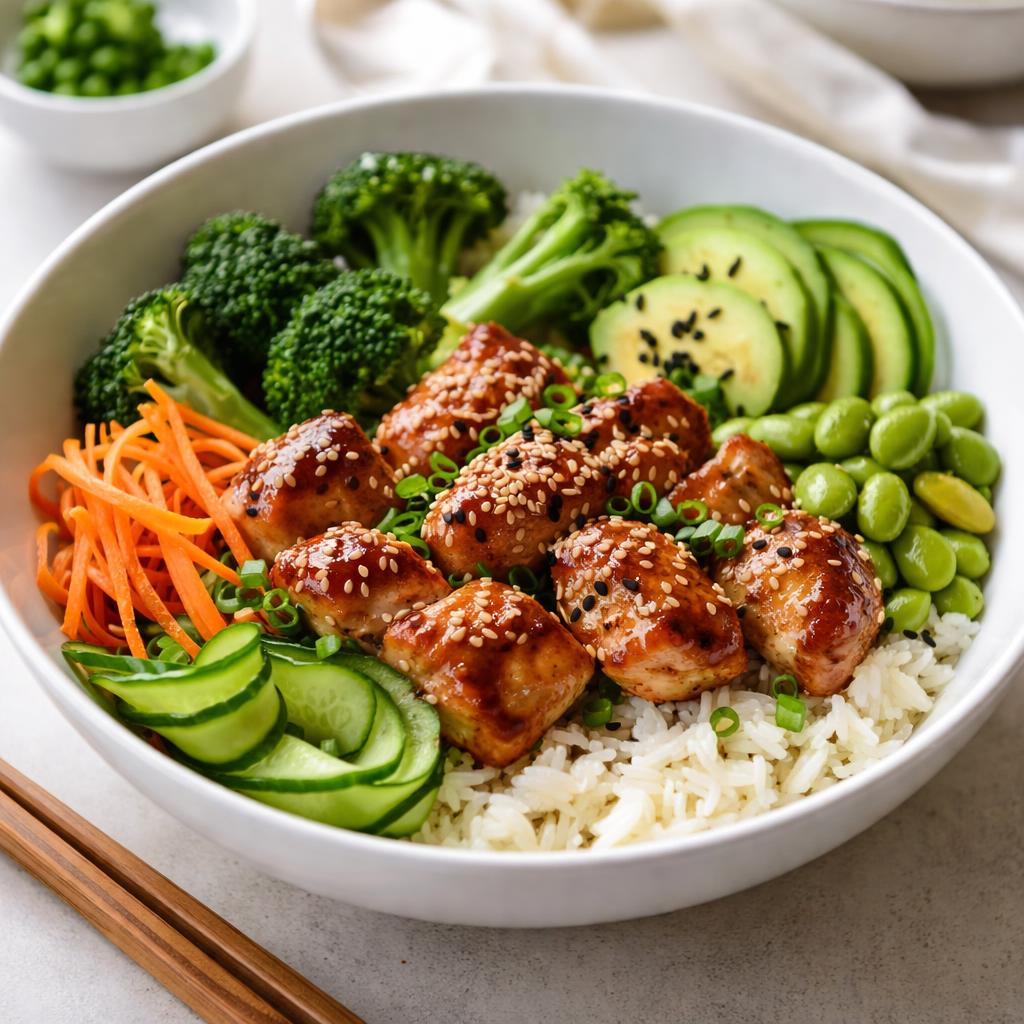
Rice Bowl
🎯 Quick Verdict
Rice bowls generally have better overall nutritional value compared to ramen noodles. Rice bowls provide more protein, fiber, and fewer calories. They also avoid high sodium levels often found in ramen. Ramen noodles may be more convenient but are typically higher in fats, carbs, and sodium, making rice bowls a healthier choice for sustained energy and better nutrient density.

Smart Nutrition Tracking with SnapCalorie

📊 Nutritional Comparison
Macronutrients
| Nutrient | Food 1 | Food 2 | Winner |
|---|---|---|---|
| Calories | 380 | 250 | ✓ |
| Protein | 7g | 12g | ✓ |
| Carbs | 52g | 45g | ✓ |
| Fat | 14g | 5g | ✓ |
| Fiber | 2g | 3g | ✓ |
Vitamins & Minerals
| Nutrient | Food 1 | Food 2 | Winner |
|---|---|---|---|
| Vitamin D | 0mcg | 1mcg | ✓ |
| Calcium | 20mg | 30mg | ✓ |
| Iron | 2.2mg | 3mg | ✓ |
🏆 Category Winners
Protein
Rice bowls offer nearly double the protein per serving compared to ramen, benefiting muscle growth.
Fiber
Rice bowls contain 50% more fiber, contributing to better digestive health.
Calories
Rice bowls are lower in calories, making them suitable for weight management.
Vitamins
Rice bowls have higher amounts of Vitamin D, calcium, and iron.
🥗 Diet Compatibility
Keto
Food 1: Not Compatible
Food 2: Not Compatible
Both are high in carbs and unsuitable for a keto diet.
Vegan
Food 1: Compatible
Food 2: Depends
Ramen noodles are typically vegan; rice bowls are vegan if toppings are plant-based.
Gluten Free
Food 1: Not Compatible
Food 2: Compatible
Ramen noodles are made with wheat; rice bowls typically contain gluten-free components.
Paleo
Food 1: Not Compatible
Food 2: Not Compatible
Neither fits paleo due to refined grains.
Low-Carb
Food 1: Not Compatible
Food 2: Not Compatible
Both foods are carb-heavy.
💪 Health Benefits Comparison
Food 1 Benefits
- Quick source of energy from high carbs
- Convenient meal option
- Contains trace amounts of iron for red blood cell production
Food 2 Benefits
- Rich in protein for muscle recovery
- Provides more fiber supporting digestive health
- Lower calorie option helpful for weight management
- Better vitamin profile for immune and bone health
✅ The Bottom Line
Overall, rice bowls are a healthier and more nutrient-dense option compared to ramen noodles. While ramen offers convenience and quick energy, rice bowls provide more protein, fiber, and fewer calories, better suiting weight management and sustained energy needs.
Choose Food 1 for: Quick meals, comfort food cravings, energy boost
Choose Food 2 for: Sustained energy, muscle recovery, balanced diet


