Ramen Noodles VS Fettuccine Pasta
A detailed nutritional comparison
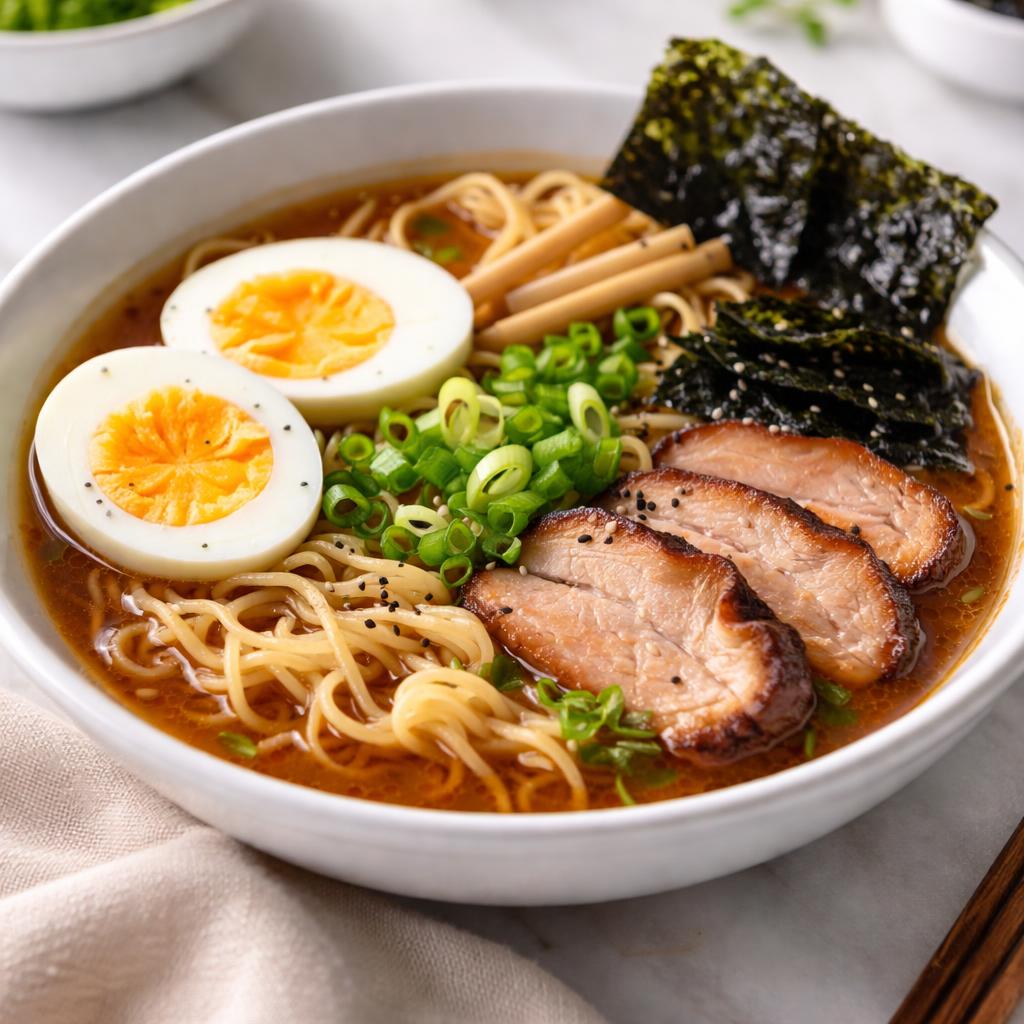
Ramen Noodles
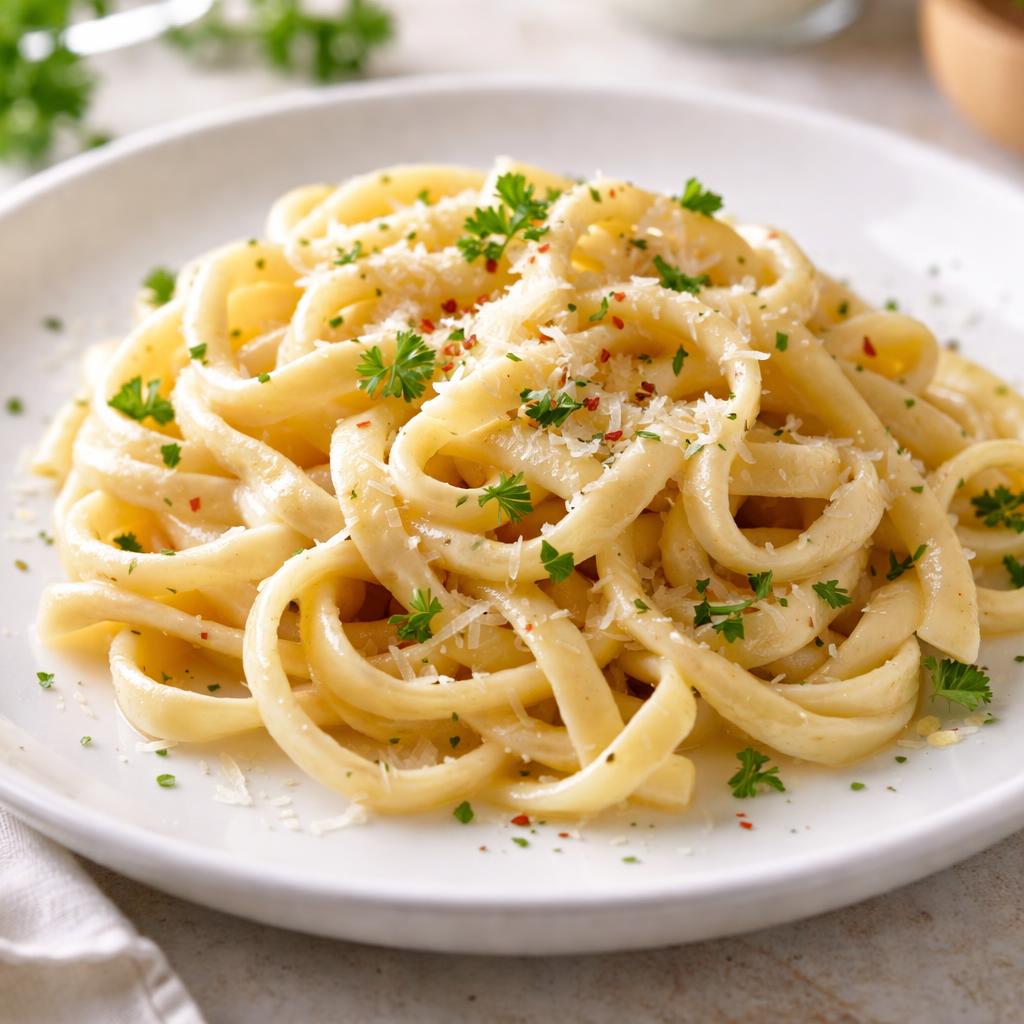
Fettuccine Pasta
🎯 Quick Verdict
Fettuccine pasta offers more protein (7g vs 5g), fiber (2g vs 1g), and fewer calories (157 vs 190 per 100g) compared to ramen noodles. Ramen noodles are higher in fat and sodium, making them less ideal for balanced diets. Fettuccine pasta is better suited for nutrient-focused meals while ramen excels in quick and convenient servings for energy-heavy dishes.

Smart Nutrition Tracking with SnapCalorie

📊 Nutritional Comparison
Macronutrients
| Nutrient | Food 1 | Food 2 | Winner |
|---|---|---|---|
| Calories | 190 | 157 | ✓ |
| Protein | 5g | 7g | ✓ |
| Carbs | 26g | 30g | ✓ |
| Fat | 7g | 1g | ✓ |
| Fiber | 1g | 2g | ✓ |
Vitamins & Minerals
| Nutrient | Food 1 | Food 2 | Winner |
|---|---|---|---|
| Vitamin D | 0mcg | 0mcg | − |
| Calcium | 9mg | 12mg | ✓ |
| Iron | 2.5mg | 1.2mg | ✓ |
🏆 Category Winners
Protein
Fettuccine has 40% greater protein content per serving.
Fiber
Fettuccine has double the fiber content, aiding digestion.
Calories
Fettuccine has fewer calories per serving, making it lighter.
Vitamins
Ramen provides higher iron content, supporting red blood cell production.
🥗 Diet Compatibility
Keto
Food 1: Not Compatible
Food 2: Not Compatible
Both foods are high in carbs, which are unsuitable for keto diets.
Vegan
Food 1: Depends on preparation
Food 2: Compatible
Instant ramen often contains animal-based flavoring, whereas fettuccine pasta is made from flour and water.
Gluten Free
Food 1: Not Compatible
Food 2: Not Compatible
Both foods contain gluten as they are made from wheat.
Paleo
Food 1: Not Compatible
Food 2: Not Compatible
Both foods are processed and made from grains, which are non-paleo ingredients.
Low-Carb
Food 1: Not Compatible
Food 2: Not Compatible
Both options are carb-heavy at over 25g per serving.
💪 Health Benefits Comparison
Food 1 Benefits
- Quick source of energy due to high carbohydrate content
- Provides moderate iron for red blood cell production
- Convenient meal option for busy schedules
Food 2 Benefits
- Higher protein content supports muscle repair and maintenance
- Better fiber content aids digestion and promotes satiety
- Lower fat content makes it a lighter, healthier option
✅ The Bottom Line
Fettuccine pasta is better for balanced meals due to its higher protein and fiber and lower calories. Ramen noodles are better suited for quick, energy-heavy meals but come with higher fat and sodium content, which may not align with health-focused diets.
Choose Food 1 for: Quick energy boost, convenient meals, iron intake
Choose Food 2 for: Lighter meals, balanced nutrition, muscle support


