Ramen Noodles VS Chinese Noodles
A detailed nutritional comparison
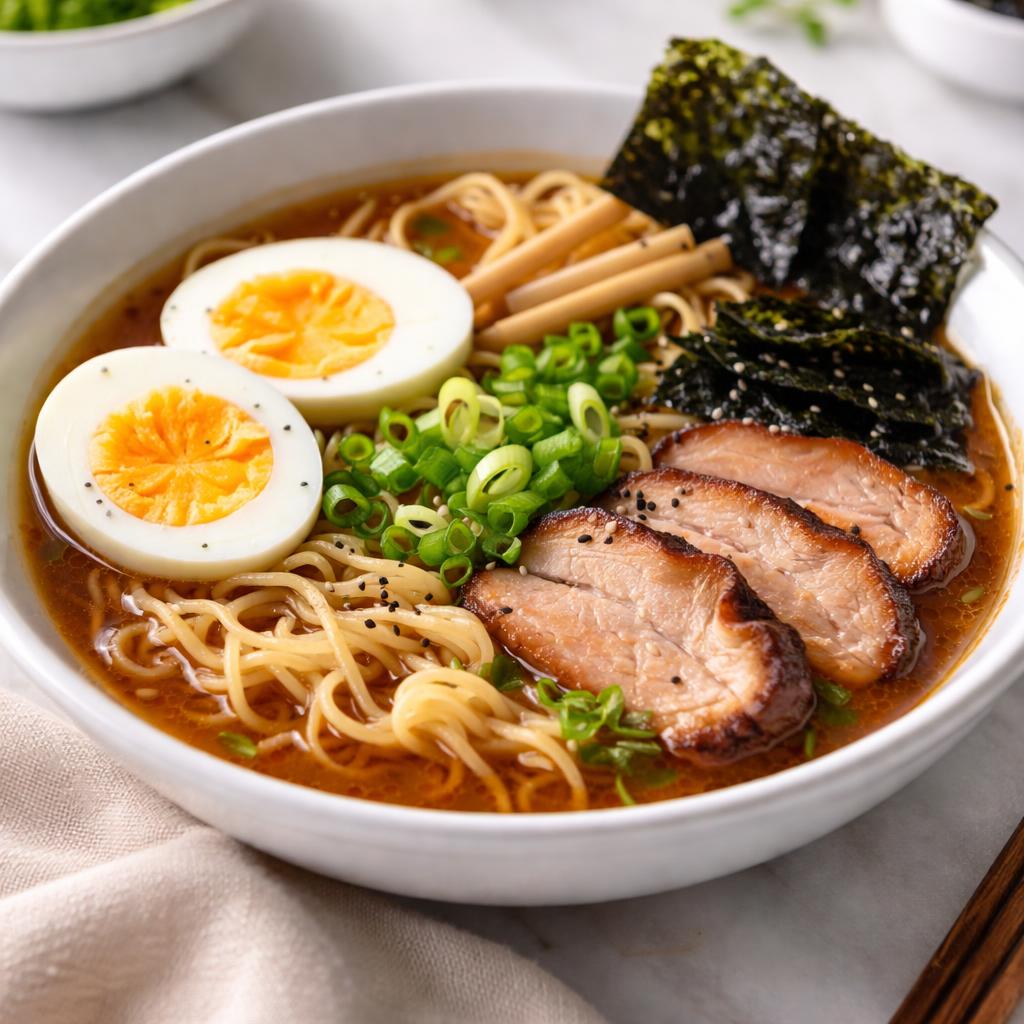
Ramen Noodles
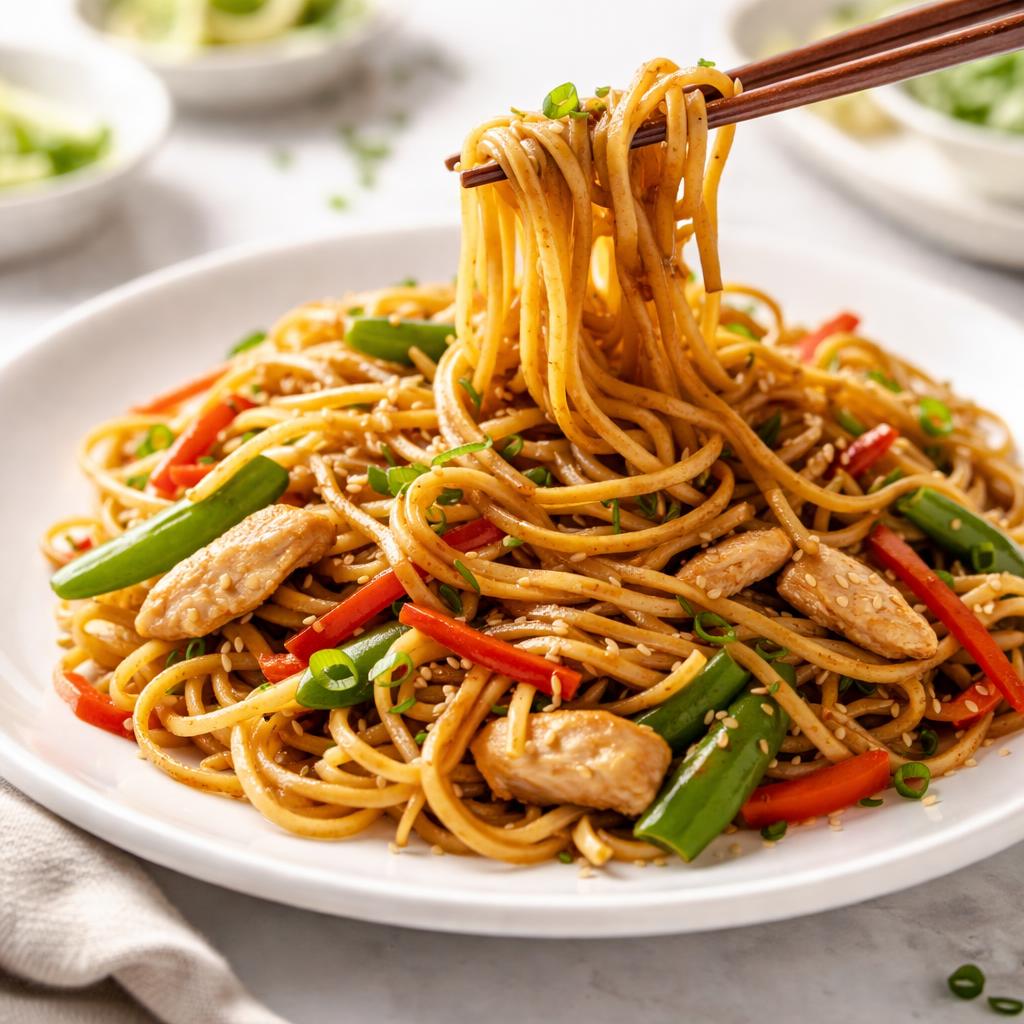
Chinese Noodles
🎯 Quick Verdict
Chinese noodles outperform ramen noodles in overall nutrition by having lower calories, higher protein, and more fiber per serving. While ramen noodles are convenient and flavorful, Chinese noodles offer a healthier option ideal for meals focused on balanced nutrients and sustained energy levels.

Smart Nutrition Tracking with SnapCalorie

📊 Nutritional Comparison
Macronutrients
| Nutrient | Food 1 | Food 2 | Winner |
|---|---|---|---|
| Calories | 190 | 143 | ✓ |
| Protein | 5g | 7g | ✓ |
| Carbs | 27g | 27g | − |
| Fat | 7g | 2g | ✓ |
| Fiber | 1g | 2g | ✓ |
Vitamins & Minerals
| Nutrient | Food 1 | Food 2 | Winner |
|---|---|---|---|
| Vitamin B6 | 0.17mg | 0.10mg | ✓ |
| Iron | 1.6mg | 2.1mg | ✓ |
| Calcium | 20mg | 10mg | ✓ |
| Potassium | 106mg | 183mg | ✓ |
🏆 Category Winners
Protein
Chinese noodles have 40% more protein.
Fiber
Chinese noodles offer double the fiber compared to ramen.
Calories
Chinese noodles are 24% lower in calories.
Vitamins
Food1 excels in vitamin B6, while food2 provides more iron and potassium.
🥗 Diet Compatibility
Keto
Food 1: Not Compatible
Food 2: Not Compatible
Both are high in carbs.
Vegan
Food 1: Compatible
Food 2: Compatible
Both are plant-based.
Gluten Free
Food 1: Not Compatible
Food 2: Not Compatible
Both contain wheat-based ingredients.
Paleo
Food 1: Not Compatible
Food 2: Not Compatible
Processed flours disqualify both from paleo diets.
Low-Carb
Food 1: Not Compatible
Food 2: Not Compatible
Carbohydrates exceed allowances for low-carb diets.
💪 Health Benefits Comparison
Food 1 Benefits
- Provides quick energy from carbohydrates
- Convenient for fast meals
- Contains small amounts of iron for red blood cell function
Food 2 Benefits
- Higher protein supports muscle repair and growth
- More fiber for better digestion and gut health
- Rich in potassium for electrolyte balance and heart health
✅ The Bottom Line
If health is a primary consideration, Chinese noodles are a better choice due to lower calories, higher protein, and more fiber. Ramen noodles, however, are ideal for convenience and budget-friendly meals.
Choose Food 1 for: Quick, affordable meals; carb-focused diets
Choose Food 2 for: Balanced nutrition, muscle-building diets, heart health


